Article
Nutrition Planning for Aging Dogs and Cats: Practical Approaches for Commercial, Homemade, and Mixed Diets
Introduction
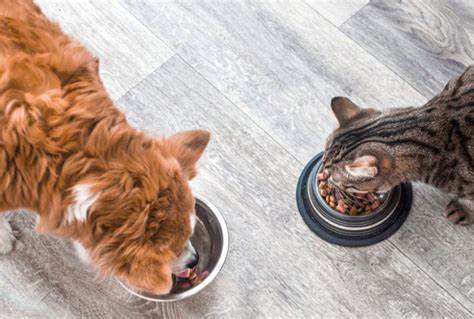
Feeding practices for pets have changed significantly over the past decade, with many owners moving away from exclusively commercial food toward raw, vegan, home-cooked, or mixed diets. While such approaches may offer flexibility, they also carry nutritional and health risks if not properly formulated, especially in senior pets whose metabolic needs are more sensitive.
For veterinarians, understanding how to individualize diets using energy requirements, protein needs, and proper formulation principles is essential. This article outlines practical, clinically applicable strategies for tailoring diets for aging dogs and cats across commercial, homemade, and mixed feeding systems.
1. Common Strategies for Tailoring Individualized Diets
Diet individualization begins with calculating daily energy requirement (ER) and daily protein requirement, followed by selecting an appropriate commercial diet or formulating a balanced homemade or mixed plan.
1.1 Individual Daily Energy Requirement (ER)
For cats1:
- 50 kcal/kg optimal BW (neutered indoor)
- 60 kcal/kg optimal BW (intact indoor)
- 70 kcal/kg optimal BW (intact outdoor/active)
For dogs1:
- ER = K × MER = K × 130 kcal/kg opt BW0.75
K is a multiplicative coefficient reflecting:
breed, neutering status, lifestyle, activity, ambient temperature, disease state, etc.
- Minimum possible K = 0.5
Clinical Decision Box: Adjusting MER in Adult Dogs
A quick reference tool to individualize maintenance energy requirements during dietary planning. Adapted from Pedrinelli et al., 20212.
1. Baseline MER
Healthy adult dogs often require ~86 kcal/kg⁰·⁷⁵/day, lower than standard NRC/FEDIAF values.
2. Modify MER using clinical factors
⬇ Decrease MER when:
- BCS increases
– Subtract ~10 kcal/kg⁰·⁷⁵ per +1 point on 9-point scale
- Neutered dogs (lower metabolism)
- Diseases that reduce activity/metabolic rate:
- Endocrinopathies
- Orthopedic disease
- Neurologic disease
- Neoplasia
⬆ Increase MER when:
- GI diseases (higher turnover, malabsorption)
- Higher activity / exercise
- Low ambient temperature
- Intact status
3. Recalculate ER
Adjust up or down based on total modifiers (BCS + neutering + disease + lifestyle).
4. Reassess in 2–4 weeks
Weight change ≤5% = correct MER.
Unexpected gain/loss → readjust.
Clinical Pearl for Vets
Do not rely solely on equations—always individualize MER using BCS, neutering status, lifestyle, and underlying disease.
1.2 Individual Daily Protein Requirement
Daily protein needs depend on optimal BW:
- Cats: ≥5 g protein/kg optimal BW
- Dogs: 60 g protein per Mcal MER
Example:
A neutered, sedentary dog with MER = 1000 kcal/day needs 60 g protein/day.
Given k (neutered × sedentary = 0.8 × 0.8 = 0.64), required ER becomes:
640 kcal/day, but protein must remain 60 g/day.
Thus, diet must supply:
94 g protein / Mcal ME → crucial for lean mass preservation in aged pets.
This ratio guides commercial diet selection or homemade formulation.
2. Feeding Using a Commercial Diet1
Commercial diets rarely list full micronutrient profiles but always provide:
- Energy density (kcal/g)
- Crude protein (%)
Using the target protein:energy ratio, vets can select diets meeting the pet’s needs.
Example:
If ER = 640 kcal/day and food = 3.5 kcal/g →
180 g/day (rounded) is recommended.
Commercial diets remain the easiest method for ensuring balanced micronutrient intake.
3. Feeding a Homemade Diet — Practical Principles1,3
Well-designed homemade diets can be individualized and nutritionally complete, but poorly constructed recipes remain a major cause of deficiency-related disease. A clinically sound formulation typically includes:
- Animal protein (muscle meat/fish)
Primary source of amino acids; contributes B12, arachidonic acid, and phosphorus. Generally provides 80–100% of total dietary protein.
- Energy sources
• Carbohydrates and/or
• Fat (canola/soybean oil; 4–15% MER or higher if needed).
Carbohydrate vs. fat allocation depends on ER, activity level, and carbohydrate tolerance.
- Fiber/volume from vegetables
Usually 4–15% MER; in cats refusing vegetables, use wheat bran 2 g/day per 4 kg.
- Complete mineral–vitamin supplement
Must supply calcium, 6 trace minerals, 12 vitamins to avoid micronutrient imbalance.
Preparation principles:
Most ingredients may be cooked, mixed, portioned, and frozen; carbohydrates must be freshly cooked daily. Recipes must be rechecked to ensure adequate energy, protein, and micronutrient provision before being issued on a prescription form.
4. Feeding a Mixed Diet
Mixed feeding (commercial + homemade) is increasingly common and useful when:
- Owners request it
- No suitable commercial formula exists for a clinical condition
- Volume or palatability needs must be customized
Key principles:
- Choose commercial senior/therapeutic food as the base.
- Homemade portion must be fully balanced for micronutrients.
- Divide energy contribution between both components.
- Add canola oil for essential fatty acids.
- Adjust Ca, trace elements, and vitamins depending on the supplement.
Mixed diets allow flexible adjustment of:
- Carbohydrates vs. fats
- Fiber volume
- Palatability
- Energy density
A written prescription with precise cooking/storage instructions is essential.
Quick Reference: Nutritional Adjustments for Age-Related Diseases
A concise, vet-ready overview of key dietary priorities across common geriatric conditions.
|
Condition |
Key Pathophysiology / Notes |
Primary Nutritional Goals |
Evidence-Based Dietary Strategies |
|
Cognitive Decline (CDS)4,5,6 |
Age-related neuropathology; impaired neuronal glucose use. |
Improve neuron energy supply; reduce oxidative stress. |
• Add MCTs (≈6.5% diet; ~12% ME from MCTs) to provide ketones as alternative fuel. • Add EPA/DHA, antioxidants, B-vitamins, L-carnitine, α-lipoic acid. • No clear evidence for cats. |
|
Osteoarthritis (OA)7 |
Degeneration of cartilage, bone; chronic inflammation. |
Reduce inflammation, maintain muscle mass & optimal BCS. |
• Ensure weight control + moderate exercise. • Add EPA+DHA (dogs: 266–310 mg/MW; cats: ~1.88 g/Mcal ≈ 94 mg/kg BW). • Consider collagen derivatives or eggshell membrane. • Green-lipped mussel extract may help; evidence variable. • Glucosamine/chondroitin not evidence-supported. |
|
Cancer8,9,10 |
Cachexia, inflammation, glucose-driven tumor metabolism. |
Prevent muscle loss, provide usable energy, reduce carbohydrate load. |
• High-fat, high-protein, low-carbohydrate diet to support lean mass and reduce glucose availability for tumors. • Manage anorexia: energy-dense foods, multiple meals, palatability strategies. • Consider home-cooked / mixed diets for flexibility. |
|
Hyperthyroidism (Cats)1 |
Excess thyroid hormone; common in older cats. |
Reduce hormone production (when medical therapy not possible). |
• Low-iodine diet (30–40 µg iodine/Mcal). • Home-cooked options possible when comorbid CKD is present. |
|
Chronic Kidney Disease (CKD)1,11 |
Progressive nephron loss; affects cats & dogs commonly. |
Slow progression, control phosphorus, maintain lean mass. |
Phosphorus restriction: ~1 g P/Mcal ME. • Maintain Ca:P ≈ 2 to lower P absorption. • Protein: restrict only to minimum needed to maintain lean mass (cats: ~5 g/kg BW; dogs: ~45–60 g/Mcal depending on IRIS stage). • Add EPA+DHA (cats: ~100 mg/kg BW; dogs: ~40 mg/kg MW). • Address anorexia: high-energy density, warmed food, multiple meals. |
|
Obesity in Geriatric Pets1 |
High prevalence in older dogs/cats. |
Restore optimal BCS without muscle mass loss. |
• Same approach as adult obesity management. • Ensure adequate protein to preserve lean mass. • Combine caloric restriction with controlled activity. |
|
Diabetes (Cats)1 |
Common in older or obese cats. |
Improve glycemic control; support weight management. |
• Low carbohydrate, high protein home-cooked diet may be beneficial. |
|
Chronic Enteropathy (Aged Dogs)1 |
Refractory GI disease in older dogs. |
Digestive support; maintain weight and lean mass. |
• Very low-carbohydrate, high protein/fat home-cooked diets may help. |
|
Multi-Pathology Cases1 |
Many seniors have >1 disease. |
Integrate all nutritional constraints safely. |
• Do NOT mix two prescription diets. • Formulate a single, tailored diet (commercial, home-cooked, or mixed). • Board-certified nutritionist involvement recommended. |
Table. Nutritional Adaptations for Common Age-Associated Diseases in Dogs & Cats1,
Conclusion
Feeding strategies for aging dogs and cats are increasingly diverse, and owners often require individualized nutritional planning. By understanding energy and protein requirements, adjusting MER based on clinical factors, and ensuring proper nutrient balance across commercial, homemade, and mixed diets, veterinarians can create safe, effective, and personalized feeding plans.
References
- Blanchard G, Priymenko N, Oh WS. Nutrition and aging in dogs and cats: assessment and dietary strategies. Journal of Veterinary Science. 2025 Sep 24;26(Suppl 1):S96.
- Pedrinelli V, Porsani MY, Lima DM, Teixeira FA, Duarte CN, Vendramini TH, Brunetto MA. Predictive equations of maintenance energy requirement for healthy and chronically ill adult dogs. Journal of Animal Physiology and Animal Nutrition. 2021 Nov;105:63-9.
- Blanchard G. Beneficial response to a very low-carbohydrate home-cooked diet in dogs with refractory chronic enteropathy: pilot study of 25 cases. In: Research Communications of the 33rd ECVIM-CA Congress; 2023 Sep 21–23; Barcelona, Spain. Hoboken (NJ): Wiley-Blackwell; 2023.
- Pan Y, Kennedy AD, Jönsson TJ, Milgram NW. Cognitive enhancement in old dogs from dietary supplementation with a nutrient blend containing arginine, antioxidants, B vitamins and fish oil. Br J Nutr. 2018;119(3):349–58.
- Ehrenzweig J, Hunter RP. Canine cognitive decline and Alzheimer disease: clinical insights to solve a shared one-health problem. J Am Vet Med Assoc. 2023;261(11):1597–604.
- Dewey CW, Davies ES, Xie H, Wakshlag JJ. Canine cognitive dysfunction: pathophysiology, diagnosis, and treatment. Vet Clin North Am Small Anim Pract. 2019;49(3):477–99.
- Barbeau-Grégoire M, Otis C, Cournoyer A, Moreau M, Lussier B, Troncy E. A 2022 systematic review and meta-analysis of enriched therapeutic diets and nutraceuticals in canine and feline osteoarthritis. Int J Mol Sci. 2022;23(18):10384.
- Rafalko JM, Kruglyak KM, McCleary-Wheeler AL, Goyal V, Phelps-Dunn A, Wong LK, et al. Age at cancer diagnosis by breed, weight, sex, and cancer type in a cohort of more than 3,000 dogs: determining the optimal age to initiate cancer screening in canine patients. PLoS One. 2023;18(2):e0280795.
- Amaral AR, Finardi GLF, Marchi PH, de Oliveira NMC, Príncipe LA, Teixeira N, et al. Connection between nutrition and oncology in dogs and cats: perspectives, evidence, and implications—a comprehensive review. Front Vet Sci. 2025;11:1490290.
- Saker KE. Nutritional concerns for cancer, cachexia, frailty, and sarcopenia in canine and feline pets. Vet Clin North Am Small Anim Pract. 2021;51(3):729–744.
- Coltherd JC, Alexander JE, Pink C, Rawlings J, Elliott J, Haydock R, et al. Towards establishing no observed adverse effect levels (NOAEL) for different sources of dietary phosphorus in feline adult diets: results from a 7-month feeding study. Br J Nutr 2021;126(11):1626–1641.
Related Contents
.jpg)
Video
Transjugular Removal of Canine Heartworms: A Clinical and Surgical Overview
Transjugular removal of canine heartworms is a specialized intervention used in selected dogs with s...

Article
Feline Pregnancy Endocrinology: Hormonal Changes and Placental Function
Pregnancy in cats involves a distinctive endocrine pattern in which ovarian and placental hormones w...
Article
Hormonal Control of Pregnancy Termination in Cats
Pregnancy maintenance in cats depends strongly on coordinated hormonal support, particularly progest...
Article
Feline Embryo Implantation and Early Placental Development
Pregnancy establishment in cats involves a sequence of precisely timed events between fertilization,...
Article
Ultrasonographic Monitoring of Pregnancy in Cats: A Gestational Timeline
Ultrasonography provides a practical way to follow the progression of feline pregnancy by identifyin...

Article
Feline Mismating: Pregnancy Diagnosis and Clinical Management
Mismating or unplanned mating is a common clinical problem in sexually mature queen cats because of...
Article
Medical Termination of Pregnancy in Queens: Drugs, Timing and Treatment Protocols
Medical termination of pregnancy (MTP) in queen cats should be approached according to the timing of...

Article
Safety and Aftercare Following Pregnancy Termination in Queen Cats
Pregnancy termination in queen cats requires more than selecting an appropriate abortifacient. Once...