Article
Lumpy Skin Disease in India: How the Goatpox Vaccine Is Changing the Game
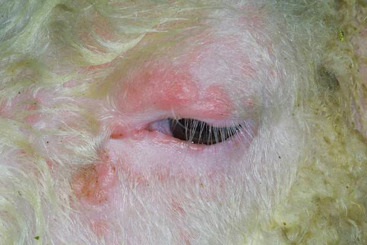
Lumpy skin disease (LSD) is one of the most economically devastating diseases affecting cattle and water buffaloes in India. Characterized by fever, nodular skin lesions, reduced milk yield, and infertility, LSD can lead to severe losses for farmers and veterinarians alike. Since its first outbreak in Odisha in 2019, the disease has spread rapidly across the country, with Maharashtra being one of the hardest-hit states [1].
Understanding LSD Transmission
LSD is caused by the Lumpy Skin Disease Virus (LSDV), a member of the Capripoxvirus family. The virus spreads through:
- Direct contact with infected animals or their secretions (nasal, ocular, or oral).
- Mechanical vectors such as flies, ticks, and mosquitoes.
- Contaminated objects, feed, and water [1].
Cattle breeds respond differently: Bos taurus are more susceptible than Bos indicus, and older animals and females tend to mount stronger immune responses [1]. Water buffaloes, yaks, and even mithuns have been reported as incidental hosts.
The Role of Heterologous Vaccines
Vaccination remains the frontline defense against LSD. While homologous LSD vaccines provide robust protection, heterologous vaccines—derived from Goatpox (GTPV) or Sheeppox (SPPV) strains—offer practical advantages in field conditions [1,2].
A recent study evaluating five heterologous live attenuated vaccines found that:
- SPPV-based vaccines (RM65, Romania, Bakırköy, and Penpox-M strains) provided partial protection, with limited humoral and cell-mediated immune responses [2].
- GTPV-based vaccines (Gorgan strain, Caprivac) elicited strong antibody and IFN-γ responses, offering complete protection comparable to homologous LSDV vaccines [2].
- Heterologous vaccines generally caused fewer side effects than LSDV-based vaccines, with minimal fever, no nodule formation, and no detectable vaccine genome in the blood, reducing diagnostic confusion [2].
- Protection can occur even in the absence of neutralizing antibodies, highlighting the critical role of cellular immunity in LSDV defense [2].
These findings suggest that GTPV-based vaccines may be more effective than SPPV-based vaccines in regions at high risk of LSD outbreaks, while all heterologous vaccines are generally safe for field use.
Immune Response and Protection
Following vaccination with heterologous vaccines:
- T-cell mediated immunity, measured via IFN-γ, strengthens protection and prevents severe disease [1,2].
- Immunity persists for at least six months, although booster campaigns are recommended to maintain herd-level protection [1].
Practical Takeaways for Veterinarians
- Vaccinate early and strategically: Prioritize naïve herds and high-risk districts to prevent outbreaks.
- Choose vaccine types carefully: While SPPV-based vaccines are safe, GTPV-based vaccines may offer stronger protection in high-risk zones [2].
- Target herd immunity: Aim for at least 80% coverage to effectively limit viral spread.
- Monitor immunity: Breed, age, and sex influence responses; crossbred and older females may respond better [1].
- Combine strategies: Vaccination works best alongside vector control, biosecurity measures, and ongoing surveillance.
- Stay alert for breakthrough cases: Even vaccinated animals may develop mild disease under high viral exposure, emphasizing the need for continuous monitoring [1,2].
The Big Picture
Heterologous vaccines, particularly GTPV-based vaccines like Caprivac, are transforming LSD control in India. They are safe, induce strong immune responses, and reduce adverse reactions compared to homologous LSDV vaccines [1,2] . Coupled with vaccination coverage, biosecurity, and vector control, these vaccines can significantly reduce LSD outbreaks, safeguard dairy production, and protect animal welfare.
References
- Bayyappa MR, Pabbineedi SM, Nagaraj S, Bijalwan S, Tadakod S, Uma CR, Pawar S, Khan PY, Teotia VK, Gulati BR. Spatiotemporal Epidemiology of Lumpy Skin Disease and Evaluation of the Heterologous Goatpox Vaccine: Insights into Immunogenicity and Impact. Vaccines. 2025 Jun 13;13(6):641. https://doi.org/10.3390/vaccines13060641
- Mazloum A, Van Schalkwyk A, Babiuk S, Venter E, Wallace DB, Sprygin A. Lumpy skin disease: history, current understanding and research gaps in the context of recent geographic expansion. Front Microbiol. 2023 Nov 2;14:1266759. https://doi.org/10.3389/fmicb.2023.1266759
Related Contents
.jpg)
Video
Transjugular Removal of Canine Heartworms: A Clinical and Surgical Overview
Transjugular removal of canine heartworms is a specialized intervention used in selected dogs with s...

Article
Feline Pregnancy Endocrinology: Hormonal Changes and Placental Function
Pregnancy in cats involves a distinctive endocrine pattern in which ovarian and placental hormones w...

Article
Hormonal Control of Pregnancy Termination in Cats
Pregnancy maintenance in cats depends strongly on coordinated hormonal support, particularly progest...

Article
Feline Embryo Implantation and Early Placental Development
Pregnancy establishment in cats involves a sequence of precisely timed events between fertilization,...

Article
Ultrasonographic Monitoring of Pregnancy in Cats: A Gestational Timeline
Ultrasonography provides a practical way to follow the progression of feline pregnancy by identifyin...

Article
Feline Mismating: Pregnancy Diagnosis and Clinical Management
Mismating or unplanned mating is a common clinical problem in sexually mature queen cats because of...

Article
Medical Termination of Pregnancy in Queens: Drugs, Timing and Treatment Protocols
Medical termination of pregnancy (MTP) in queen cats should be approached according to the timing of...

Article
Safety and Aftercare Following Pregnancy Termination in Queen Cats
Pregnancy termination in queen cats requires more than selecting an appropriate abortifacient. Once...