Article
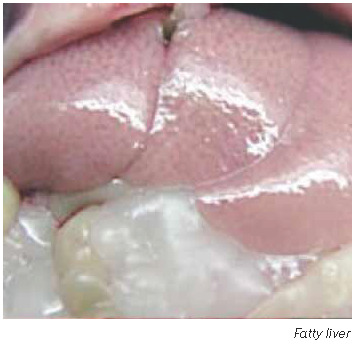
Fatty Liver Disease in Transition Dairy Cows: From Metabolic Stress to Clinical Management
The transition period in dairy cows, defined as the last 21 days pre-calving to the first 21 days post-calving, is one of the most metabolically demanding phases of the production cycle. During this short window, cows undergo profound physiological, endocrine, immune, and metabolic adaptations to support the onset of lactation. Failure to adapt effectively predisposes animals to a cascade of metabolic, infectious, digestive, and reproductive disorders, with fatty liver disease (hepatic lipidosis) being one of the most clinically impactful conditions observed in modern dairy herds1.
Why the Transition Period Is a Metabolic Minefield
Early lactation places an abrupt and substantial energy demand on the cow, often exceeding dietary energy intake. This mismatch results in negative energy balance (NEB), a physiological state that triggers mobilization of body fat reserves to meet energy requirements. While mild NEB is expected, severe or prolonged NEB overwhelms hepatic metabolic capacity, setting the stage for liver dysfunction2.
In field conditions, this is most commonly observed in1:
- High-producing cows
- Overconditioned cows (BCS >3.5 at calving)
- Animals with reduced dry matter intake (DMI) post-calving
These cows frequently present with vague, non-specific signs such as reduced appetite, drop in milk yield, delayed uterine involution, or increased susceptibility to periparturient diseases, often masking an underlying hepatic pathology1.
Pathophysiology: How Fat Accumulates in the Liver
During NEB, adipose tissue releases non-esterified fatty acids (NEFAs) into circulation. These NEFAs are taken up by the liver, where they are either:
- Oxidized for energy
- Converted to ketone bodies
- Re-esterified into triglycerides (TG) and exported as very-low-density lipoproteins (VLDL)
The bovine liver has a limited capacity to export TG as VLDL, unlike monogastric species. When NEFA influx exceeds oxidation and export capacity, triglycerides accumulate within hepatocytes, leading to hepatic lipidosis, which may range from mild to severe 3.
Hormonal adaptations during early lactation further compound this problem. Reduced insulin sensitivity, decreased insulin-like growth factor-I (IGF-I), and altered growth hormone signaling promote lipomobilization while impairing hepatic glucose production, increasing reliance on fat metabolism 4.
Why Fatty Liver Matters Clinically
Fatty liver is not merely a biochemical abnormality, it has direct clinical consequences. Affected cows exhibit compromised liver function, reduced immune competence, and impaired reproductive performance. Practically, this translates into a higher incidence of:
- Ketosis
- Retained fetal membranes
- Metritis
- Mastitis
- Displaced abomasum
- Reduced conception rates
- Prolonged calving intervals
- Increased culling risk
In severe cases, cows may develop hepatic encephalopathy, presenting with depression, ataxia, altered mentation, and potentially death, making early recognition critical1.
Etiological Risk Factors Seen on Farms
From a herd-health perspective, fatty liver is strongly associated with management-related factors, including:
- Excessive body condition at calving
- Long dry periods leading to obesity
- Reduced postpartum feed intake
- Inadequate transition ration formulation
- High metabolic stress in early lactation
Overconditioned cows show a sharper decline in appetite post-calving, leading to intensified fat mobilization and a higher hepatic fat load during the first three weeks postpartum5,6.
Hemato-Biochemical Changes: What Blood Work Really Tells Us
In practice, no single blood parameter definitively diagnoses fatty liver. However, patterns of change provide valuable clues. Common findings in affected cows include:
- Increased NEFA and β-hydroxybutyrate (BHB)
- Elevated AST (most sensitive hepatic enzyme)
- Mild increases in GGT or GDH in advanced cases
- Decreased glucose, cholesterol, albumin, and insulin
AST has consistently shown the strongest association with the severity of hepatic fat infiltration, making it the most useful enzyme for clinical interpretation during the transition period2,3.
Step-by-Step Diagnostic Approach for Field Veterinarians
Because early intervention improves outcomes, diagnosis should focus on risk identification rather than late-stage confirmation.
Practical diagnostic workflow:
- Identify cows in the transition window (−21 to +21 days)
- Prioritize cows with high BCS and reduced feed intake
- Screen NEFA and BHB to assess energy balance (>1 mmol/L suggests severe NEB)
- Interpret AST trends alongside clinical signs
- Use transcutaneous ultrasonography for moderate to severe cases
- Consider fine-needle aspiration cytology (FNAC) for early detection when available
- Reserve liver biopsy for research or complex referral cases
FNAC has shown good sensitivity and specificity for early hepatic fat detection and offers a practical compromise between accuracy and invasiveness in clinical settings 1,7.
Management and Prevention: Where Intervention Makes the Difference
Since fatty liver is primarily a management-driven disorder, prevention remains the most effective strategy.
Key preventive measures include:
- Maintaining optimal BCS (3.0–3.25) at calving
- Maximizing DMI pre- and post-calving
- Minimizing periparturient stress
- Ensuring cow comfort and feed access
- Strategic nutritional supplementation
Among nutritional interventions, rumen-protected choline has demonstrated consistent benefits in reducing hepatic fat accumulation by enhancing VLDL export from the liver (Zenobi et al., 2018). Other supplements such as niacin may reduce lipolysis but show limited impact on liver fat unless used at high levels5.
Conclusion: Rethinking Fatty Liver in Modern Dairy Herds
Fatty liver disease is no longer a rare metabolic curiosity, it is a central health challenge of high-producing dairy systems. Its impact extends beyond liver pathology, influencing immunity, fertility, milk yield, and herd longevity. The rising incidence underscores the need to shift focus from late diagnosis to early risk assessment and proactive transition management1.
Optimizing energy balance, preventing excessive body condition, and improving metabolic resilience during the transition period are not optional, they are essential for sustaining productivity and animal welfare in contemporary dairy operations. Continued research into molecular and metabolic adaptations of the bovine liver will further refine prevention and treatment strategies, benefiting both cows and producers alike.
References
- Bombik E, Sokol J, Pietrzkiewicz K. Fatty liver disease in dairy cattle–risk factors, symptoms and prevention. Roczniki Naukowe Polskiego Towarzystwa Zootechnicznego. 2021;16(4):51-8. https://bibliotekanauki.pl/articles/2119575.pdf
- Grzybowska D, Sobiech P, Tobolski D. Ultrasonographic image of fatty infiltration of the liver correlates with selected biochemical parameters and back fat thickness of periparturient Holstein-Friesian cows. Polish Journal of Veterinary Sciences. 2023:723-32. https://journals.pan.pl/Content/129601/PDF-MASTER/20%20_%20Grzybowska.pdf
- Zhang C, Shao Q, Liu M, Wang X, Loor JJ, Jiang Q, Cuan S, Li X, Wang J, Li Y, He L. Liver fibrosis is a common pathological change in the liver of dairy cows with fatty liver. Journal of Dairy Science. 2023 Apr 1;106(4):2700-15. https://www.sciencedirect.com/science/article/pii/S0022030223000644
- Bombik E, Sokol J, Pietrzkiewicz K. Fatty liver disease in dairy cattle–risk factors, symptoms and prevention. Roczniki Naukowe Polskiego Towarzystwa Zootechnicznego. 2021;16(4):51-8. https://bibliotekanauki.pl/articles/2119575.pdf
- Contreras GA, Strieder-Barboza C, De Koster J. Symposium review: Modulating adipose tissue lipolysis and remodeling to improve immune function during the transition period and early lactation of dairy cows. Journal of Dairy Science. 2018 Mar 1;101(3):2737-52. https://www.sciencedirect.com/science/article/pii/S0022030217309591
- Truman CM, Campler MR, Costa JH. Body condition score change throughout lactation utilizing an automated BCS system: A descriptive study. Animals. 2022 Feb 28;12(5):601. https://www.mdpi.com/2076-2615/12/5/601
- Fry MM, Yao B, Ríos C, Wong C, Mann S, McArt JA, Nydam DV, Yepes FL, Viesselmann L, Geick A, Goldin K. Diagnostic performance of cytology for assessment of hepatic lipid content in dairy cattle. Journal of dairy science. 2018 Feb 1;101(2):1379-87. https://www.sciencedirect.com/science/article/pii/S0022030217311402
Related Contents
.jpg)
Video
Transjugular Removal of Canine Heartworms: A Clinical and Surgical Overview
Transjugular removal of canine heartworms is a specialized intervention used in selected dogs with s...

Article
Feline Pregnancy Endocrinology: Hormonal Changes and Placental Function
Pregnancy in cats involves a distinctive endocrine pattern in which ovarian and placental hormones w...

Article
Hormonal Control of Pregnancy Termination in Cats
Pregnancy maintenance in cats depends strongly on coordinated hormonal support, particularly progest...

Article
Feline Embryo Implantation and Early Placental Development
Pregnancy establishment in cats involves a sequence of precisely timed events between fertilization,...

Article
Ultrasonographic Monitoring of Pregnancy in Cats: A Gestational Timeline
Ultrasonography provides a practical way to follow the progression of feline pregnancy by identifyin...

Article
Feline Mismating: Pregnancy Diagnosis and Clinical Management
Mismating or unplanned mating is a common clinical problem in sexually mature queen cats because of...

Article
Medical Termination of Pregnancy in Queens: Drugs, Timing and Treatment Protocols
Medical termination of pregnancy (MTP) in queen cats should be approached according to the timing of...

Article
Safety and Aftercare Following Pregnancy Termination in Queen Cats
Pregnancy termination in queen cats requires more than selecting an appropriate abortifacient. Once...