Article
Clinical Presentation of Demodicosis in Dogs and Cats
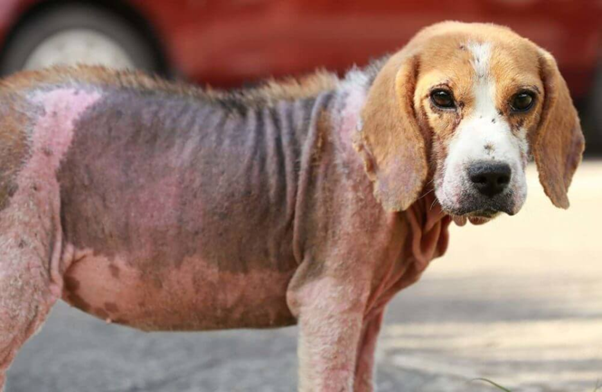
Demodicosis presents with a wide spectrum of clinical manifestations in dogs and cats, ranging from mild, localized lesions to severe, generalized disease. Early recognition is essential for appropriate management.
Forms of Demodicosis
Localized Demodicosis
Characterized by:
- One to a few areas of alopecia
- Mild erythema and scaling
- Common involvement of the face and forelimbs
This form is more common in juvenile dogs and may resolve spontaneously in some cases1.
Generalized Demodicosis
Defined by:
- Multiple lesions or widespread involvement
- Pododemodicosis
- Frequent secondary infections
This form typically requires active treatment1.
Clinical Signs in Dogs2
Common findings include:
- Patchy or diffuse alopecia
- Erythema
- Scaling and crusting
- Hyperpigmentation in chronic disease
Pruritus is variable and often linked to secondary bacterial infection rather than mite burden1.
Secondary Complications1
Secondary bacterial pyoderma is frequently observed and may present with:
- Papules and pustules
- Crusting
- Draining tracts in severe cases
These complications may increase disease severity and influence treatment decisions.
Clinical Presentation in Cats
Presentation varies by species:
- Demodex cati: Often associated with systemic illness; presents with alopecia and scaling
- Demodex gatoi: Frequently pruritic and may be contagious between cats1
Distribution of Lesions
Common sites include1,2:
- Face and periocular region
- Limbs and paws
- Trunk
Pododemodicosis may be more resistant to treatment and require prolonged therapy.
Clinical Relevance
Recognition of clinical patterns assists in:
- Selecting appropriate diagnostic tests
- Assessing severity
- Guiding treatment decisions
Early identification of generalized disease and complications may improve prognosis.
References
- Mueller RS, Rosenkrantz W, Bensignor E, Karaś‐Tęcza J, Paterson T, Shipstone MA. Diagnosis and treatment of demodicosis in dogs and cats: Clinical consensus guidelines of the World Association for Veterinary Dermatology. Veterinary dermatology. 2020 Feb;31(1):4-e2. https://ebvminpractice.org/wp-content/uploads/2025/09/veterinary-dermatology-2020-mueller-diagnosis-and-treatment-of-demodicosis-in-dogs-and-cats.pdf
- Salem NY, Abdel-Saeed H, Farag HS, Ghandour RA. Canine demodicosis: Hematological and biochemical alterations. Veterinary world. 2020 Jan 10;13(1):68. https://pmc.ncbi.nlm.nih.gov/articles/PMC7020110/pdf/Vetworld-13-68.pdf
Related Contents
.jpg)
Video
Transjugular Removal of Canine Heartworms: A Clinical and Surgical Overview
Transjugular removal of canine heartworms is a specialized intervention used in selected dogs with s...

Article
Feline Pregnancy Endocrinology: Hormonal Changes and Placental Function
Pregnancy in cats involves a distinctive endocrine pattern in which ovarian and placental hormones w...

Article
Hormonal Control of Pregnancy Termination in Cats
Pregnancy maintenance in cats depends strongly on coordinated hormonal support, particularly progest...

Article
Feline Embryo Implantation and Early Placental Development
Pregnancy establishment in cats involves a sequence of precisely timed events between fertilization,...

Article
Ultrasonographic Monitoring of Pregnancy in Cats: A Gestational Timeline
Ultrasonography provides a practical way to follow the progression of feline pregnancy by identifyin...

Article
Feline Mismating: Pregnancy Diagnosis and Clinical Management
Mismating or unplanned mating is a common clinical problem in sexually mature queen cats because of...

Article
Medical Termination of Pregnancy in Queens: Drugs, Timing and Treatment Protocols
Medical termination of pregnancy (MTP) in queen cats should be approached according to the timing of...

Article
Safety and Aftercare Following Pregnancy Termination in Queen Cats
Pregnancy termination in queen cats requires more than selecting an appropriate abortifacient. Once...