Article
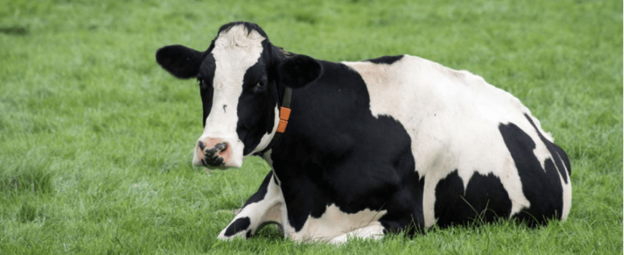
Diagnosing Fatty Liver in Transition Dairy Cows: Moving Beyond Late Markers
Comprehensive Perioperative Pain Control
Feline ovariohysterectomy is painful. We manipulate richly innervated ovarian tissue, create surgical trauma, and expect cats masters of hiding discomfort to communicate how they feel. Modern anesthesia and analgesia for feline OHE extends beyond keeping cats unconscious during surgery; it encompasses comprehensive perioperative pain management beginning before the first injection and continuing well into recovery.
Premedication: Setting the Analgesic Foundation
Premedication lays the foundation for excellent pain control. Recent surveys reveal considerable variability in feline OHE premedication protocols, with over 94 unique drug combinations reported across practices 1.
Current U.S. practices show that dexmedetomidine (26.7%) and buprenorphine (32.0%) are the most commonly administered premedication drugs 1. But is common the same as optimal?
Opioids: Cornerstone of Feline Analgesia
A comprehensive 2024 study compared tramadol, morphine, and methadone as preoperative analgesia in cats undergoing OHE (2). The results are instructive: 76.5% of cats required intraoperative rescue analgesia at some point during surgery, and 27% needed postoperative rescue analgesia within six hours of extubation, with no significant differences between the three opioid groups 2.
What does this tell us? First, relying on premedication alone isn't sufficient. Second, the specific opioid chosen may matter less than ensuring multimodal analgesia throughout the perioperative period. Methadone, morphine, and even the partial agonist buprenorphine all have roles, but none is a magic bullet 2.
A 2024 systematic review specifically comparing methadone versus buprenorphine found mixed results 3. Two studies showed methadone associated with significantly lower postoperative pain scores, while one showed buprenorphine performing better at certain timepoints 3. The takeaway? Individual patient response varies, and having multiple analgesic strategies in your toolkit matters.
Alpha-2 Agonists: Sedation and Analgesia Combined
Dexmedetomidine and medetomidine provide profound sedation, but their analgesic properties are equally valuable. These drugs offer pre-emptive analgesia, reducing intraoperative anesthetic requirements and providing smooth, calm recoveries 1. The trade-off? Bradycardia and potential hypothermia require vigilant monitoring 1.
Alpha-2 agonists feature prominently in feline OHE protocols, often combined with opioids and ketamine (particularly the butorphanol-ketamine-medetomidine combination) 1. The combination synergistically improves analgesia while potentially allowing dose reductions of individual components.
Induction and Maintenance
Propofol remains the induction agent of choice, administered to effect following adequate premedication (1). A 2024 study confirmed propofol's continued dominance (61.3% of practices), with isoflurane as the overwhelmingly preferred maintenance agent (50.4%) (1).
Here's a critical point often overlooked: end-tidal isoflurane concentrations required to maintain adequate anesthetic depth should decrease with proper multimodal analgesia (1). If you're running high percentages throughout surgery, your analgesia likely needs augmentation, not your vaporizer settings.
Multimodal Analgesia: Evidence-Based Standard
Multimodal analgesia isn't a buzzword—it's evidence-based best practice. The concept targets multiple pain pathways simultaneously, reducing reliance on any single drug class and minimizing side effects while maximizing efficacy 1.
Local Anesthetics
Infiltrating the surgical site with local anesthetic is low-cost, low-risk, and moderately effective. Lidocaine or bupivacaine injected into the subcutaneous tissues and linea alba provides several hours of local analgesia 1. Some practitioners also perform intraperitoneal splash blocks, though evidence for additional benefit beyond incisional blocks is limited.
Epidural analgesia deserves consideration for longer procedures or cases where enhanced pain control is paramount 4. A study on epidural lidocaine combined with either methadone or morphine found both combinations provided significantly prolonged postoperative analgesia compared to lidocaine alone 4. The catch? Epidural placement requires training and adds procedural time.
NSAIDs: Timing and Selection
Non-steroidal anti-inflammatory drugs are analgesic workhorses, but timing and patient selection matter. Meloxicam is most commonly used, typically administered subcutaneously at 0.2 mg/kg either pre-operatively or immediately before extubation, with reduced doses (0.05 mg/kg) continued daily for 2-3 days postoperatively 1.
The pre-operative versus post-operative administration debate continues. While some practitioners withhold NSAIDs until after surgery due to concerns about bleeding and renal perfusion, evidence doesn't support these concerns in healthy, adequately hydrated cats 1. Pre-emptive administration may provide superior analgesia by preventing central sensitization.
Emerging Options
Cannabidiol (CBD) has entered the conversation as a potential perioperative analgesic. A 2024 study examining 2 mg/kg oral CBD in cats undergoing OHE found higher preoperative sedation scores and reduced intraoperative fentanyl requirements in the CBD group 5. However, postoperative analgesic benefits were minimal, suggesting CBD's role may be as an anxiolytic and anesthetic-sparing agent rather than primary analgesic 5.
The research is preliminary, and product variability presents challenges, but it represents innovative thinking that pushes feline analgesia forward.
Intraoperative Monitoring and Rescue Analgesia
Even with excellent premedication, many cats require intraoperative rescue analgesia. The 2024 study showing 76.5% of cats needing additional fentanyl during surgery shouldn't be viewed as failure—it's recognition that ovarian manipulation is genuinely painful and our monitoring must be vigilant 2.
Watch for sudden increases in heart rate, blood pressure, or spontaneous movement during surgical manipulation 1. Have fentanyl (2-5 μg/kg IV) or other short-acting opioids immediately available for intraoperative supplementation.
Pain Assessment: Validated Tools Matter
Feline pain assessment is notoriously challenging. Cats hide pain instinctively, making reliance on obvious clinical signs problematic. The Glasgow Feline Composite Measure Pain Scale (CMPS-Feline) has emerged as a validated, reliable tool, providing objective scoring with defined intervention thresholds (typically a score >6/20 triggers rescue analgesia) 6.
The 2024 laparoscopic OHE study used this scale to demonstrate significantly lower postoperative pain in cats undergoing minimally invasive surgery, validating both the surgical technique and the measurement tool 6. Use validated scales consistently—don't just rely on subjective impressions.
Practical Protocol Recommendations
Based on current evidence, a solid feline OHE analgesia protocol includes 1,2,3,4:
- Premedication: Dexmedetomidine (5-10 μg/kg IM) + Methadone or morphine (0.2-0.3 mg/kg IM)
- Induction: Propofol to effect
- Maintenance: Isoflurane in oxygen
- Intraoperative: Fentanyl boluses as needed (2-5 μg/kg IV); Local blocks (lidocaine or bupivacaine)
- Before extubation: Meloxicam (0.2 mg/kg SC)
- Postoperative: Buprenorphine (0.02 mg/kg q 8-12h) for 24-48h; Meloxicam (0.05 mg/kg PO q 24h) for 3-5 days
Adjust based on individual patient factors, but this framework addresses multiple pain pathways and provides continuous coverage from pre-operative through early recovery.
The Bottom Line
Excellent perioperative analgesia for feline OHE isn't optional—it's fundamental. Multimodal approaches targeting multiple pain pathways, pre-emptive administration, vigilant monitoring, and validated pain assessment create the comprehensive strategy modern feline patients deserve 1,2,6. The evidence is clear: we can do better than outdated "give them something and hope" approaches. Our cats—and our professional standards—demand it.
References
- Kramer BM, Hellyer PW, Rishniw M, Kogan LR. Anesthetic and analgesic techniques used for cats undergoing ovariohysterectomies in general practice in the United States. Vet Anaesth Analg. 2023;50(4):356-362.
- Goich M, Bascuñán A, Faúndez P, Siel D. Comparison of analgesic efficacy of tramadol, morphine and methadone in cats undergoing ovariohysterectomy. J Feline Med Surg. 2024;26(3):1098612X231224662.
- Lawrence I. Methadone or buprenorphine: which is the better analgesic for feline ovariohysterectomy? Vet Evidence. 2024;9(4).
- Castro DS, Silva MFA, Shih AC, et al. Postoperative pain control in cats: clinical trials with pre-emptive lidocaine epidural co-administered with morphine or methadone. J Feline Med Surg. 2017;19(8):795-801.
- Teixeira-Neto FJ, Almeida RM, Pignaton W, et al. Perioperative Analgesic and Sedative Effects of Cannabidiol in Cats Undergoing Ovariohysterectomy. Animals. 2024;14(16):2357.
- Jeong C, Yi K, Yu Y, Heo S. Comparison of postoperative pain and stress using a multimodal approach in cats: open vs. laparoscopic-assisted ovariohysterectomy. Front Vet Sci. 2024;11:1519773.
Related Contents
.jpg)
Video
Transjugular Removal of Canine Heartworms: A Clinical and Surgical Overview
Transjugular removal of canine heartworms is a specialized intervention used in selected dogs with s...

Article
Feline Pregnancy Endocrinology: Hormonal Changes and Placental Function
Pregnancy in cats involves a distinctive endocrine pattern in which ovarian and placental hormones w...

Article
Hormonal Control of Pregnancy Termination in Cats
Pregnancy maintenance in cats depends strongly on coordinated hormonal support, particularly progest...

Article
Feline Embryo Implantation and Early Placental Development
Pregnancy establishment in cats involves a sequence of precisely timed events between fertilization,...

Article
Ultrasonographic Monitoring of Pregnancy in Cats: A Gestational Timeline
Ultrasonography provides a practical way to follow the progression of feline pregnancy by identifyin...

Article
Feline Mismating: Pregnancy Diagnosis and Clinical Management
Mismating or unplanned mating is a common clinical problem in sexually mature queen cats because of...

Article
Medical Termination of Pregnancy in Queens: Drugs, Timing and Treatment Protocols
Medical termination of pregnancy (MTP) in queen cats should be approached according to the timing of...

Article
Safety and Aftercare Following Pregnancy Termination in Queen Cats
Pregnancy termination in queen cats requires more than selecting an appropriate abortifacient. Once...