Article
A Vet’s Guide to Managing Pet Obesity in India
In recent years, a growing concern has quietly padded into vet clinics across India’s metros—overweight and obese pets. From Mumbai’s high-rises to Delhi’s apartment complexes, veterinarians are witnessing a surge in pets tipping the scale. It’s not just about the chubby charm; it’s a full-blown health crisis that demands clinical strategy and compassionate client communication.
Obesity in pets is now one of the most common nutritional disorders seen in urban practices. A 2023 report by the Pet Obesity Research Group India (PORGI) revealed that nearly 35% of pet dogs in major Indian cities are either overweight or obese. Among breeds, Labradors, Pugs, and Persian cats were disproportionately affected—thanks to their genetic predisposition and sedentary lifestyles. Even more concerning, over 40% of pet parents didn’t realize their pet was overweight, pointing to a critical gap in awareness and education (1).
What’s Causing the Weight Gain?
Urban living, while comfortable, isn’t ideal for most pets’ physical needs. The culprits are familiar:
- Limited physical activity due to indoor confinement
- Calorie-rich commercial pet foods and overfeeding
- Frequent treats and table scraps
- Free-feeding and poor portion control
The 2022 Indian Veterinary Association Urban Pet Survey further highlighted that 62% of pet owners in cities tend to offer human food regularly, while only 18% measure their pet’s food portions (2).
A Dietary Roadmap for Vets
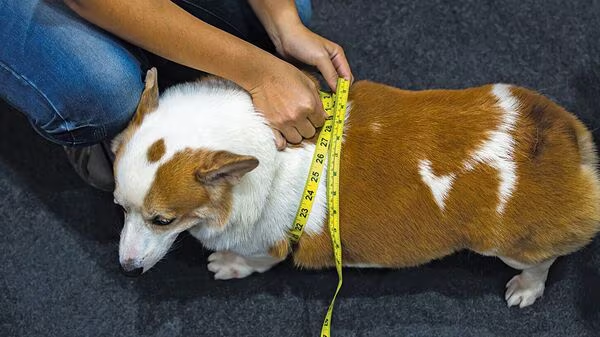
Veterinarians play a pivotal role in diagnosing and managing obesity. The journey often begins with a Body Condition Score (BCS) evaluation—an excellent visual and tactile tool to help pet parents understand where their furry companions stand on the health spectrum.
Here’s a framework many practitioners are successfully adopting:
1. Focus on Caloric Deficit, Not Deprivation
A healthy weight loss rate is about 1–2% of body weight per week. Anything more aggressive risks muscle loss and nutrient deficiencies. Use energy requirement calculators to guide daily intake adjustments.
2. Leverage Prescription Diets
Veterinary-grade weight-loss diets are formulated to be high in protein and fiber while being low in fat and calories. They support satiety and reduce begging behaviors—key to sustainable results.
3. Support for Home-Cooked Preferences
In India, many pet parents prefer home food. This is viable when guided. Advising low-carb, high-fiber, lean-protein diets—with supplements like calcium or multivitamins—can help maintain balance without compromising on familiarity.
4. Treat Smarter
Treats should not exceed 10% of daily calorie intake. Recommend healthier alternatives such as carrot sticks, boiled pumpkin, or low-calorie commercial treats instead of biscuits or leftovers.
5. Promote Measured, Scheduled Feeding
Ditching free-feeding in favor of measured portions, ideally using a digital kitchen scale, ensures consistency. Fixed mealtimes also aid metabolism and digestion.
The Power of Communication
Addressing obesity can be delicate. Many clients perceive a chubby pet as well-loved and well-fed. Thus, the success of any intervention hinges on empathetic and constructive dialogue.
✔ Be Kind, Not Critical
Frame weight as a health concern, not a failure of care.
✔ Share Stories, Not Just Stats
Use case examples of pets who improved mobility, reduced joint issues, or simply had more energy after weight loss.
✔ Celebrate Small Wins
Encourage monthly weigh-ins and cheer even a 500-gram drop—especially in smaller breeds.
✔ Recommend Activity Tailored to Lifestyle
A 10-minute extra walk, interactive toys, or food puzzles can go a long way. For older or arthritic pets, suggest canine hydrotherapy or physiotherapy, if accessible.
Conclusion: A Collective Effort
Pet obesity isn’t a cosmetic issue—it’s a clinical one that shortens lifespan and affects quality of life. The good news? It’s preventable and manageable. Vets can bridge the gap between medical insight and pet parent action through informed, empathetic conversations and structured dietary plans.
In a landscape where pets are increasingly seen as family, veterinarians have a powerful opportunity—not just to treat, but to educate, empower, and inspire healthier choices. One conversation, one meal, and one wag at a time.
References:
- Pet Obesity Research Group India (PORGI). (2023). Trends in Canine and Feline Obesity in Metro Cities.
- Indian Veterinary Association. (2022). Urban Pet Survey: Feeding Habits, Activity Levels, and Owner Awareness.
Related Contents
.jpg)
Video
Transjugular Removal of Canine Heartworms: A Clinical and Surgical Overview
Transjugular removal of canine heartworms is a specialized intervention used in selected dogs with s...

Article
Feline Pregnancy Endocrinology: Hormonal Changes and Placental Function
Pregnancy in cats involves a distinctive endocrine pattern in which ovarian and placental hormones w...

Article
Hormonal Control of Pregnancy Termination in Cats
Pregnancy maintenance in cats depends strongly on coordinated hormonal support, particularly progest...

Article
Feline Embryo Implantation and Early Placental Development
Pregnancy establishment in cats involves a sequence of precisely timed events between fertilization,...

Article
Ultrasonographic Monitoring of Pregnancy in Cats: A Gestational Timeline
Ultrasonography provides a practical way to follow the progression of feline pregnancy by identifyin...

Article
Feline Mismating: Pregnancy Diagnosis and Clinical Management
Mismating or unplanned mating is a common clinical problem in sexually mature queen cats because of...

Article
Medical Termination of Pregnancy in Queens: Drugs, Timing and Treatment Protocols
Medical termination of pregnancy (MTP) in queen cats should be approached according to the timing of...

Article
Safety and Aftercare Following Pregnancy Termination in Queen Cats
Pregnancy termination in queen cats requires more than selecting an appropriate abortifacient. Once...