Video
Obesity Management: Building Successful Weight Loss Programs in Dogs
Canine obesity is one of the most common nutritional disorders encountered in veterinary practice and is associated with a wide range of health complications. Successful weight management requires more than calorie restriction, it demands a structured, individualized approach that incorporates nutritional assessment, dietary planning, exercise, regular monitoring, and owner commitment. This webinar offers a practical framework for developing effective weight loss programs in dogs, covering body condition scoring, calorie calculations, selection of therapeutic diets, exercise recommendations, progress monitoring, client communication, and long-term weight maintenance. Practical strategies for improving owner compliance and overcoming common barriers to successful weight management will also be discussed.
Access the guide to understand the risk factors, health impacts, and evidence-based management of canine obesity.
https://www.heraldopenaccess.us/article_pdf/21/obesity-in-canines-issues-causes-treatments-and-managements.pdf
Related Contents
Article
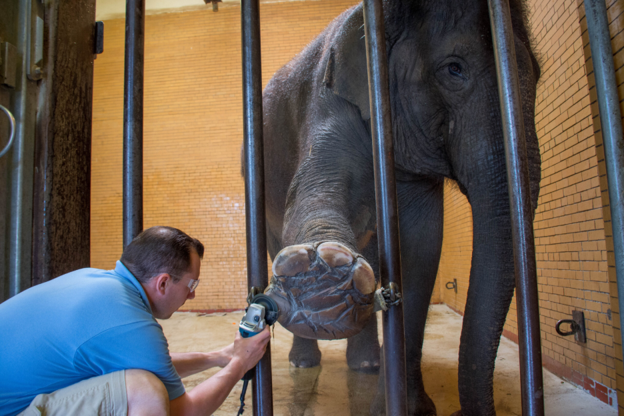
Elephant Foot Health: Detecting Problems Before Lameness
Foot problems in elephants do not necessarily begin with obvious lameness. By the time an elephant i...

Article
When an Elephant’s Behaviour Changes: Recognising Clinically Relevant Patterns
A change in an elephant’s behaviour can be easy to dismiss as temperament. It can also...

Article
Is It Normal for This Elephant? Building an Individual Health Baseline
For a long-lived animal, a single health assessment provides only a snapshot. A more useful c...

Article
Body Condition in Asian Elephants: When Does Change Become Clinically Relevant?
Body condition is often recorded during routine elephant health assessments. Its clinical value, how...

Article
EEHV in Asian Elephant Calves: Recognising the Early Clinical Picture
Elephant endotheliotropic herpesvirus (EEHV) is an important cause of fatal haemorrhagic disease in...

Article
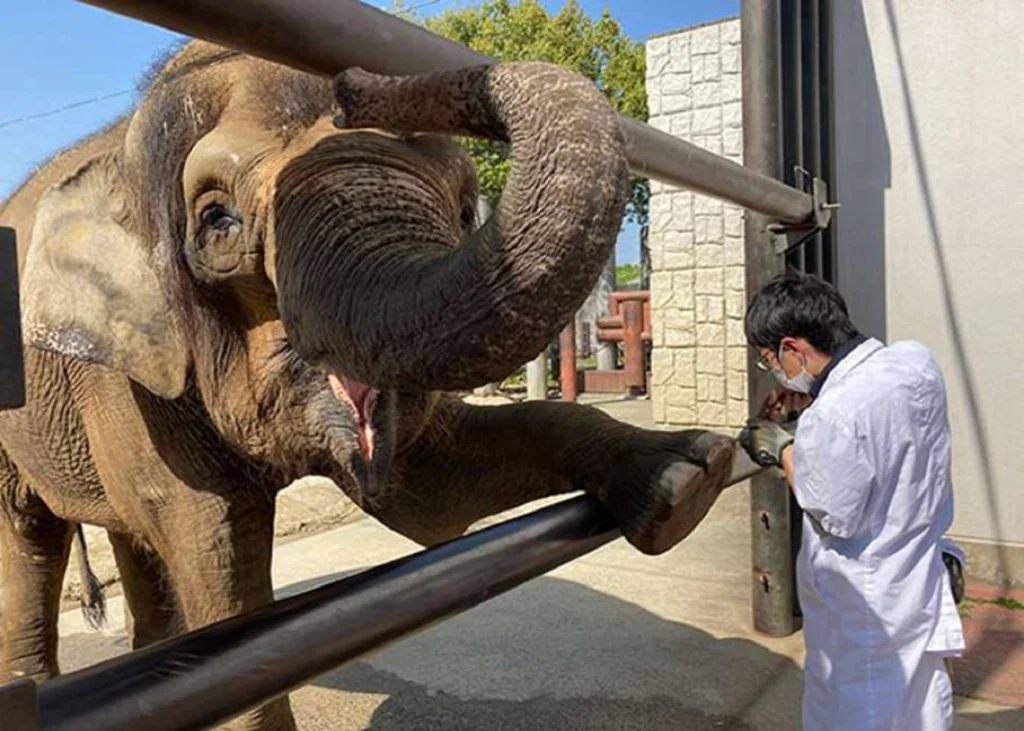
Gastrointestinal Parasites in Asian Elephants: Interpreting Faecal Findings
A positive faecal examination confirms the detection of parasite stages in the sample. It does not,...
Article
Tuberculosis in Asian Elephants: Interpreting Screening Results in Context
Tuberculosis surveillance in elephants presents a fundamental diagnostic challenge: a test result is...
Article
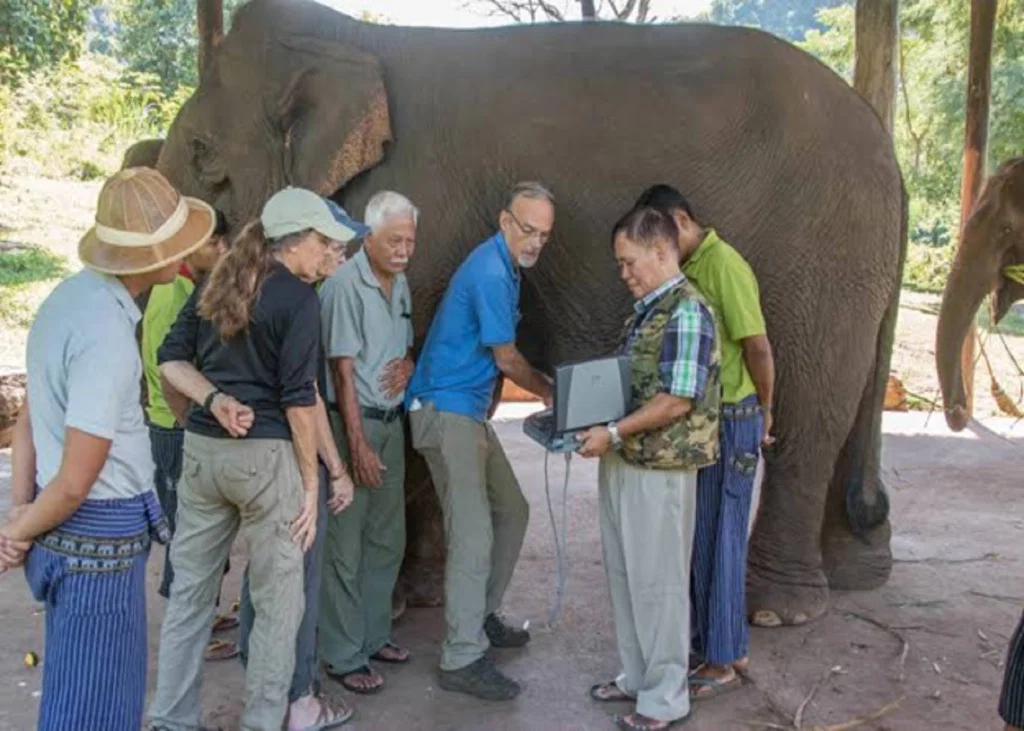
Pregnancy Monitoring in Asian Elephants: Interpreting Ultrasound and Hormonal Findings
Confirming pregnancy is only the beginning of reproductive monitoring in an elephant. With a...