Video
Vaccination Failures: Is It the Vaccine or the Protocol?
Vaccination remains one of the most effective preventive measures in veterinary medicine; however, vaccine failures continue to occur despite the availability of effective immunization programs. Failure to achieve protective immunity may result from vaccine handling and storage issues, inappropriate vaccination schedules, interference by maternally derived antibodies, host immune status, concurrent illness, pathogen variation, or errors in vaccine administration. Distinguishing true vaccine failure from protocol-related failure requires careful evaluation of patient history, vaccine type, timing, environmental risk factors, and herd or population health status. A systematic understanding of these contributing factors is essential for maintaining effective disease prevention and optimizing vaccination outcomes in companion and food-producing animals.
Download the attached review article to explore the causes of vaccination failure and evidence-based strategies for optimizing vaccination protocols in veterinary practice.
https://doi.org/10.26717/BJSTR.2020.29.004827
Related Contents
Article
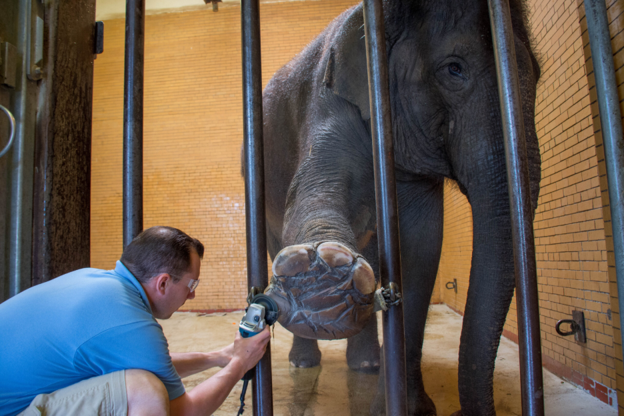
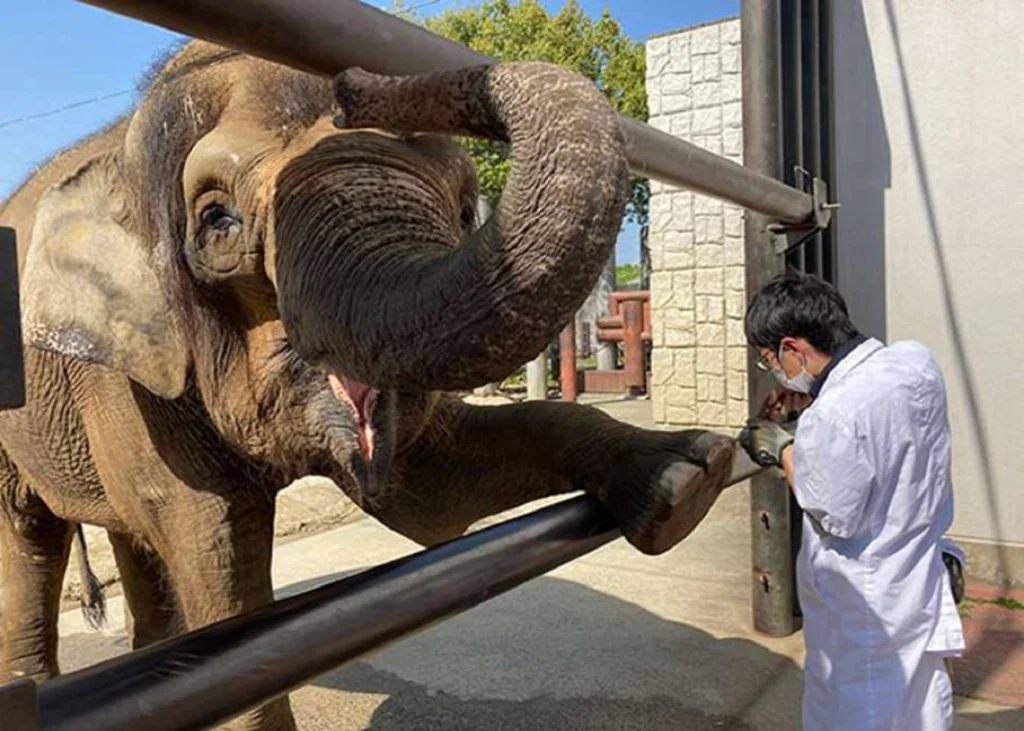
Elephant Foot Health: Detecting Problems Before Lameness
Foot problems in elephants do not necessarily begin with obvious lameness. By the time an elephant i...
Article
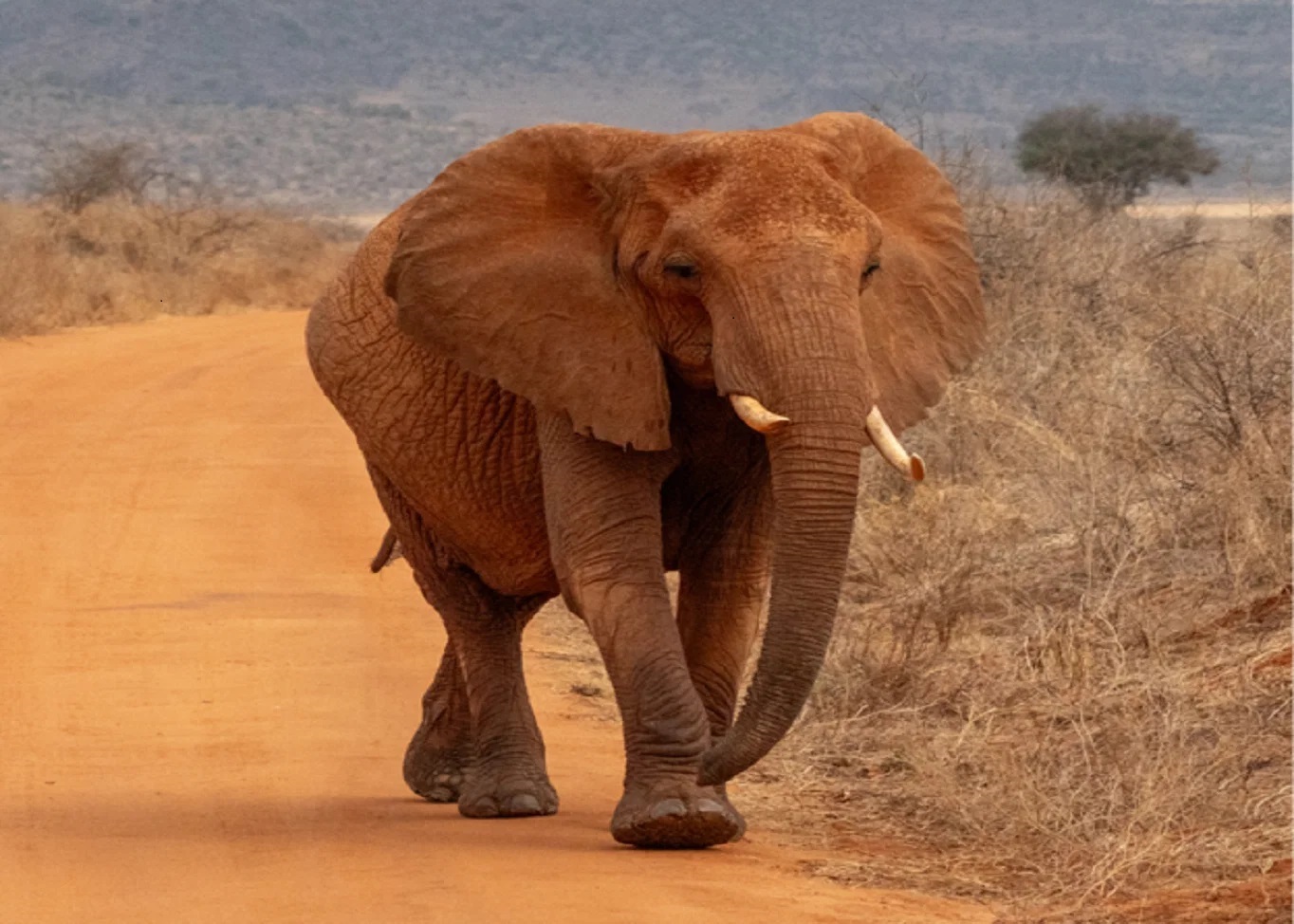
When an Elephant’s Behaviour Changes: Recognising Clinically Relevant Patterns
A change in an elephant’s behaviour can be easy to dismiss as temperament. It can also...

Article
Is It Normal for This Elephant? Building an Individual Health Baseline
For a long-lived animal, a single health assessment provides only a snapshot. A more useful c...

Article
Body Condition in Asian Elephants: When Does Change Become Clinically Relevant?
Body condition is often recorded during routine elephant health assessments. Its clinical value, how...
Article
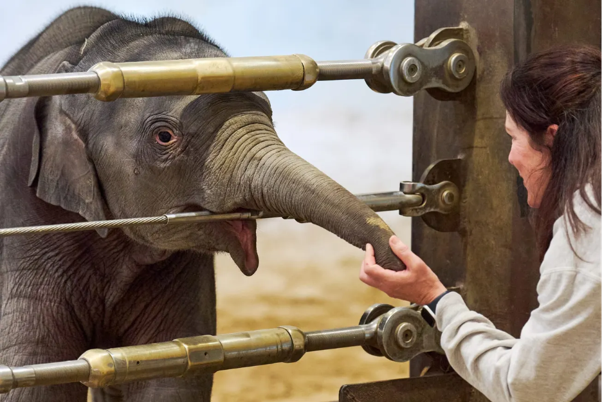
EEHV in Asian Elephant Calves: Recognising the Early Clinical Picture
Elephant endotheliotropic herpesvirus (EEHV) is an important cause of fatal haemorrhagic disease in...
Article
Gastrointestinal Parasites in Asian Elephants: Interpreting Faecal Findings
A positive faecal examination confirms the detection of parasite stages in the sample. It does not,...
Article
Tuberculosis in Asian Elephants: Interpreting Screening Results in Context
Tuberculosis surveillance in elephants presents a fundamental diagnostic challenge: a test result is...

Article
Pregnancy Monitoring in Asian Elephants: Interpreting Ultrasound and Hormonal Findings
Confirming pregnancy is only the beginning of reproductive monitoring in an elephant. With a...