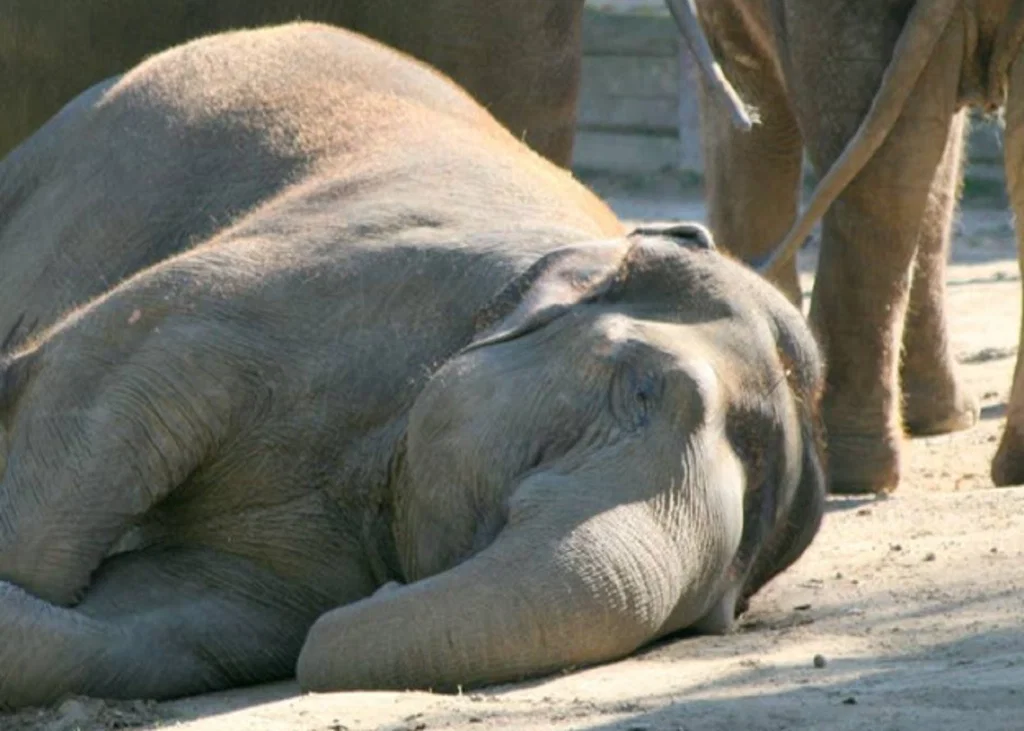
Article
Colic in Asian Elephants: Recognising When Gastrointestinal Signs Need Urgent Investigation
Colic in an elephant should not be treated as a diagnosis.
It is a clinical presentation that can arise from very different gastrointestinal problems, ranging from impaction to intestinal obstruction and other causes of abdominal pain.
For clinical assessment, the important question is therefore not simply whether an elephant has “colic”, but whether the gastrointestinal changes are stable or are developing into a potentially serious disorder.
Look at the combination of signs
An elephant with gastrointestinal disease may show:
- Reduced or absent appetite;
- Reduced faecal output;
- Abdominal distension;
- Restlessness or altered posture;
- Abdominal discomfort;
- Diarrhoea or abnormal faecal consistency;
- Tachycardia;
- Weakness or recumbency.
These signs do not identify a specific cause.
However, their combination can increase the urgency of investigation.
A recent study of captive Asian elephants with gastrointestinal disorders included seven elephants with food-impaction colic and found distinct changes in gut microbial profiles compared with healthy elephants, although the study was small and the microbiome findings should not be interpreted as a diagnostic test for colic[1].
Reduced faecal output deserves context
A reduction in faecal output can occur for several reasons and should not automatically be labelled constipation.
Reported cases of Asian elephants with gastrointestinal obstruction have included combinations of anorexia, abdominal discomfort, tachycardia, tenesmus, abdominal distension and failure to defecate[2].
Importantly, serious intestinal disease may initially resemble less severe gastrointestinal dysfunction.
This makes serial assessment particularly important when the elephant is not returning towards its normal feeding and defecation pattern.
Do not wait for dramatic abdominal changes
Severe abdominal distension is not required before gastrointestinal disease warrants investigation.
A review of non-infectious gastrointestinal disease in elephants identified impaction, intestinal obstruction, torsion, strangulation and other disorders among reported cases[2].
The review also demonstrated that clinical presentations can overlap substantially.
Therefore, the absence of one classic sign should not be used to exclude serious disease when several other abnormalities are developing.
Reassess rather than relying on one examination
When gastrointestinal disease is suspected, useful parameters to follow include:
- Appetite;
- Faecal frequency and character;
- Hydration;
- Heart rate;
- Respiratory rate;
- Temperature where feasible;
- Abdominal contour;
- Posture and activity;
- Degree of discomfort;
- Haematology and biochemistry where indicated;
- Ultrasonographic findings where available.
A change across several observations is more informative than a single isolated measurement.
For example, an elephant that initially has reduced appetite but continues to defecate normally is clinically different from one that subsequently stops eating, develops abdominal distension and has markedly reduced faecal output.
Consider what preceded the episode
The investigation should also include recent changes in:
- Diet;
- Forage availability;
- Feeding practices;
- Access to soil or other ingestible material;
- Medication;
- Activity;
- Previous gastrointestinal disease.
The available elephant literature includes cases in which intestinal obstruction or impaction occurred in association with dietary or gastrointestinal factors, but many proposed predisposing factors remain uncertain[2].
Consequently, these factors should form part of the history rather than being assumed to be causal.
Clinical takeaway
Colic in an Asian elephant is a syndrome that requires investigation, particularly when anorexia, reduced faecal output, abdominal discomfort or systemic deterioration occur together.
The clinical priority is to identify progression, not simply to assign the label “colic”.
References:
- Klinhom S, Kunasol C, Sriwichaiin S, et al. Characteristics of gut microbiota profiles in Asian elephants (Elephas maximus) with gastrointestinal disorders. Sci Rep. 2025;15(1):1327. Published 2025 Jan 8. https://doi.org/10.1038/s41598-025-85495-0
- Teodoro TGW, Uzal FA, Streitenberger N, Samol MA, Henderson EE, Asin J. Colonic sand impaction with cecal rupture and peritonitis in an adult African savanna elephant, and review of noninfectious causes of gastrointestinal disease in elephants. J Vet Diagn Invest. 2023;35(1):47-52. https://doi.org/10.1177/10406387221130024
- Khadpekar Y, Selvaraj I, Sha A, Kamalanathan M. Clinical management of intestinal impaction and colic in an Asian elephant. Gajah. 2020 Dec 10;51:26-30. https://www.academia.edu/143418508/Clinical_Management_of_Intestinal_Impaction_and_Colic_in_an_Asian_Elephant
- Miller D, Jackson B, Riddle HS, Stremme C, Schmitt D, Miller T. Elephant (Elephas maximus) Health and Management in Asia: Variations in Veterinary Perspectives. Vet Med Int. 2015;2015:614690. https://doi.org/10.1155/2015/614690
Related Contents
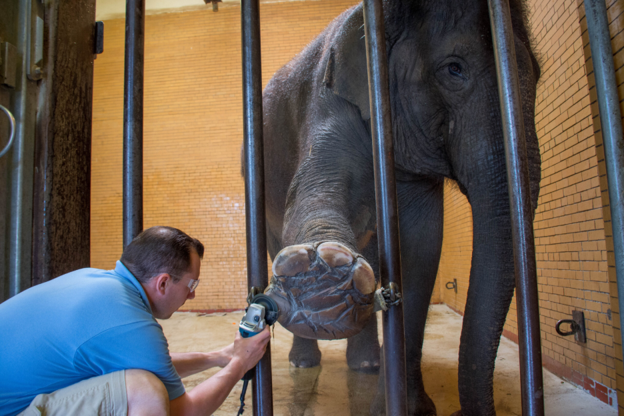
Article
Elephant Foot Health: Detecting Problems Before Lameness
Foot problems in elephants do not necessarily begin with obvious lameness. By the time an elephant i...
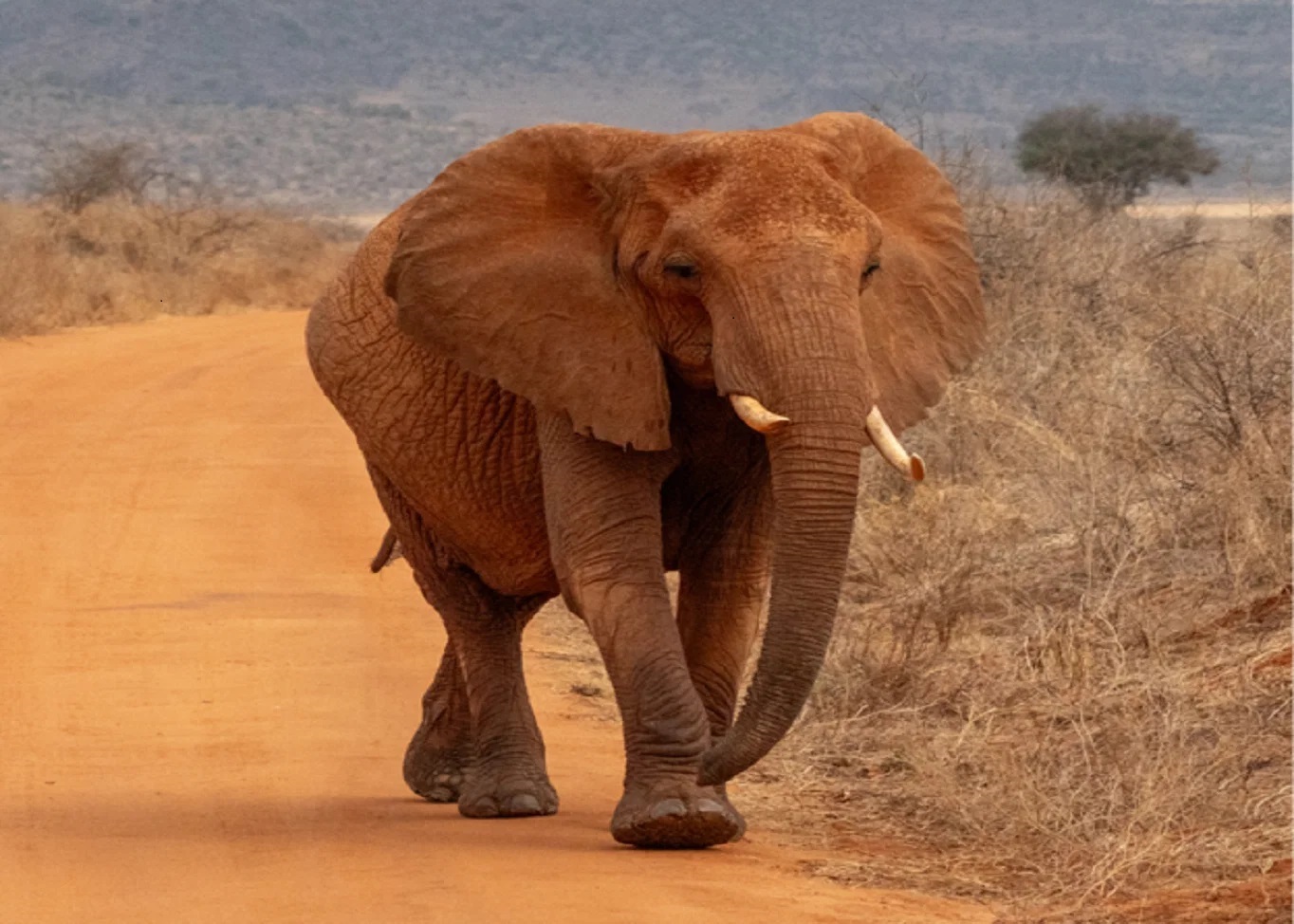
Article
When an Elephant’s Behaviour Changes: Recognising Clinically Relevant Patterns
A change in an elephant’s behaviour can be easy to dismiss as temperament. It can also...
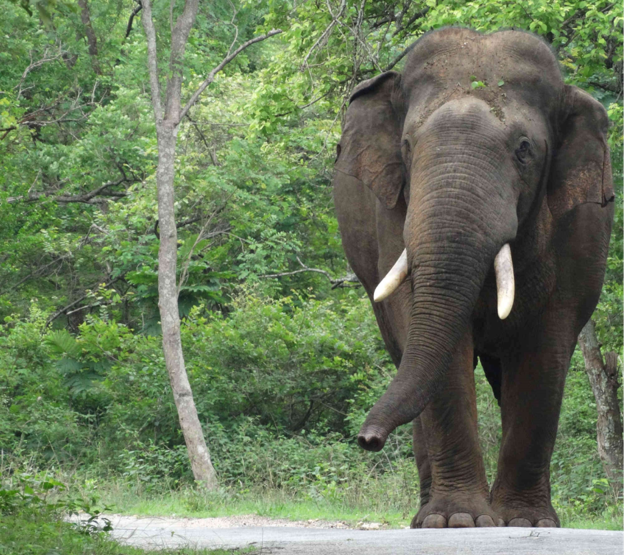
Article
Is It Normal for This Elephant? Building an Individual Health Baseline
For a long-lived animal, a single health assessment provides only a snapshot. A more useful c...
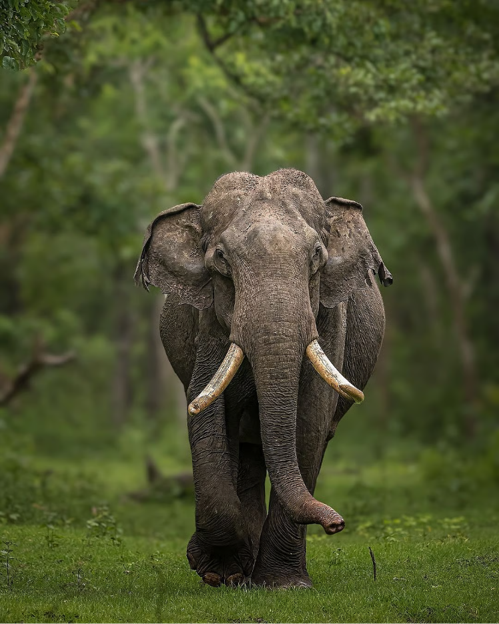
Article
Body Condition in Asian Elephants: When Does Change Become Clinically Relevant?
Body condition is often recorded during routine elephant health assessments. Its clinical value, how...
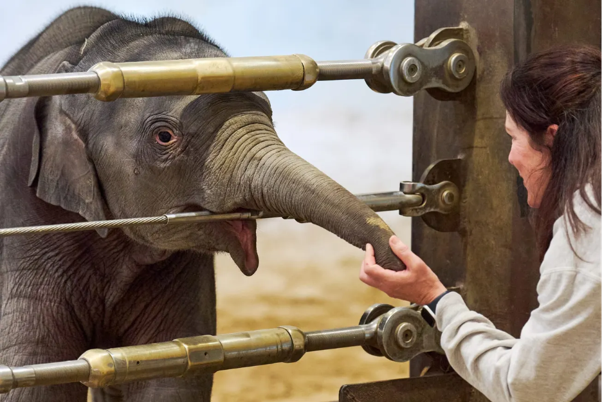
Article
EEHV in Asian Elephant Calves: Recognising the Early Clinical Picture
Elephant endotheliotropic herpesvirus (EEHV) is an important cause of fatal haemorrhagic disease in...
Article
Gastrointestinal Parasites in Asian Elephants: Interpreting Faecal Findings
A positive faecal examination confirms the detection of parasite stages in the sample. It does not,...
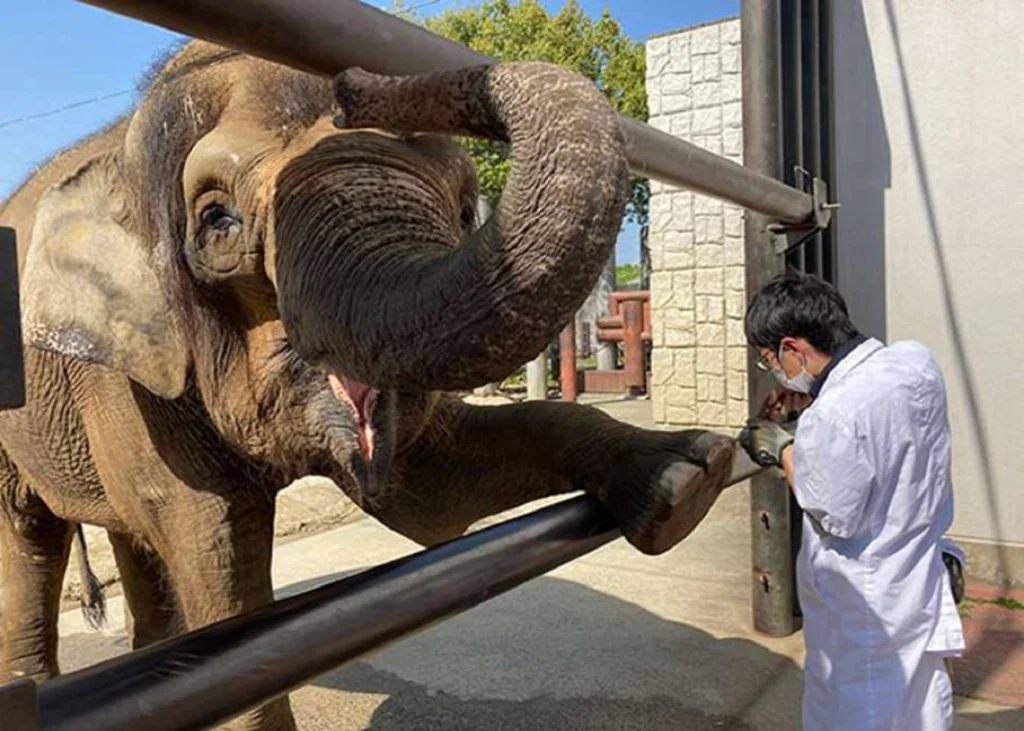
Article
Tuberculosis in Asian Elephants: Interpreting Screening Results in Context
Tuberculosis surveillance in elephants presents a fundamental diagnostic challenge: a test result is...
Article
Pregnancy Monitoring in Asian Elephants: Interpreting Ultrasound and Hormonal Findings
Confirming pregnancy is only the beginning of reproductive monitoring in an elephant. With a...