Article
Weight Management and Rehabilitation: The Foundation of Canine Osteoarthritis Care
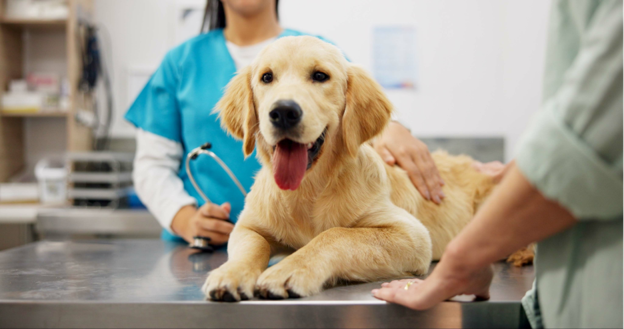
Canine osteoarthritis (OA) is a progressive joint disorder that affects mobility, comfort, and overall quality of life. While pharmacological therapies play an important role in pain management, successful long-term outcomes often begin with interventions that address the underlying mechanical and functional challenges associated with the disease. Excess body weight, reduced muscle strength, and impaired joint mobility can perpetuate the cycle of pain and dysfunction, making weight management and rehabilitation integral components of OA care1,2.
In everyday practice, these non-pharmacological strategies provide a practical foundation that can complement medical treatment and help optimize patient comfort over time.
Why Weight Management Matters
Obesity contributes to osteoarthritis progression through both mechanical and biological pathways. Increased body weight places additional stress on affected joints, while adipose tissue also produces pro-inflammatory adipokines that may further support the inflammatory process within the joint.
An objective assessment of body condition is an important first step in every OA patient. Using a standardized 9-point Body Condition Score system, the recommended target is a score of 4 or 5. This provides a measurable goal that can guide discussions with pet owners and support long-term weight management.
Therapeutic weight-loss diets are designed with reduced caloric density and increased fibre content, and some formulations may also include L-carnitine to support fat metabolism. Even modest weight reduction can have meaningful clinical benefits. A loss of approximately 6%–8% of body weight has been associated with significant improvements in lameness while reducing dependence on analgesic therapy1,3.
Building an Effective Rehabilitation Plan1
Maintaining joint function requires more than restricting activity. Carefully planned, low-impact exercise helps preserve joint mobility, maintain periarticular muscle mass, and provide dynamic support to affected joints.
Activities such as leash walking and swimming are highlighted as suitable options because they encourage movement without placing excessive stress on compromised joints. Rehabilitation plans should always be individualized according to the patient's clinical condition and functional limitations.
Equally important is identifying activities that may worsen discomfort. Exercises likely to exacerbate pain should be avoided, particularly during periods of active inflammation. During acute inflammatory flare-ups, rest combined with appropriate pharmacological management should take priority before gradually resuming rehabilitation.
Adjunctive Rehabilitation Techniques
Several rehabilitation modalities can further support functional improvement and pain management as part of a multimodal treatment strategy.
These include:
- Hydrotherapy
- Manual therapy
- Photobiomodulation
When incorporated into an individualized rehabilitation programme, these techniques may enhance mobility, improve comfort, and support daily function1,4.
The choice of modality should be guided by the patient's clinical status, available facilities, and the veterinarian's rehabilitation goals.
Communicating Long-Term Success to Pet Owners
Weight management and rehabilitation require sustained owner commitment. Setting realistic expectations and defining measurable goals can improve compliance throughout treatment.
Regular monitoring of body condition, reassessment of mobility, and progressive adjustment of exercise programmes allow veterinarians to tailor management as the disease evolves. Small, consistent improvements often have greater long-term value than aggressive interventions that are difficult for owners to maintain.
Encouraging owners to view weight control and rehabilitation as ongoing components of OA management, rather than short-term treatments, can help support better long-term outcomes.
Practical Clinical Insights
- Assess Body Condition Score at every OA consultation to monitor progress objectively.
- Aim for gradual, sustainable weight reduction rather than rapid weight loss.
- Recommend controlled, low-impact exercise tailored to each patient's mobility.
- Avoid rehabilitation exercises during acute inflammatory flare-ups until pain is adequately controlled.
- Consider incorporating hydrotherapy, manual therapy, or photobiomodulation where appropriate to support mobility and comfort.
Conclusion
Weight management and rehabilitation form the cornerstone of canine osteoarthritis care. By reducing mechanical stress on joints, preserving muscle function, and promoting controlled mobility, these interventions address key contributors to disease progression while complementing pharmacological treatment. An individualized rehabilitation plan, combined with realistic owner guidance and regular reassessment, can help improve mobility, reduce reliance on analgesics, and support a better quality of life for dogs living with osteoarthritis.
References
- Bougherara H, Boukhechem S, Dib AL. A multimodal approach to Canine Osteoarthritis management: A state-of-the-art. Open Veterinary Journal. 2025 Nov 30;15(11):5461. https://pmc.ncbi.nlm.nih.gov/articles/PMC12861432/
- Goldring MB, Otero M. Inflammation in osteoarthritis. Current opinion in rheumatology. 2011 Sep 1;23(5):471-8. https://pmc.ncbi.nlm.nih.gov/articles/PMC3937875/pdf/nihms349836.pdf
- Marshall WG, Hazewinkel HA, Mullen D, De Meyer G, Baert K, Carmichael S. The effect of weight loss on lameness in obese dogs with osteoarthritis. Veterinary research communications. 2010 Mar;34(3):241-53. https://link.springer.com/content/pdf/10.1007/s11259-010-9348-7.pdf
- Dycus DL, Levine D, Marcellin-Little DJ. Physical rehabilitation for the management of canine hip dysplasia. Veterinary Clinics: Small Animal Practice. 2017 Jul 1;47(4):823-50. https://drandyroark.com/wp-content/uploads/Published_Copy.pdf
Related Contents
Article
Elephant Foot Health: Detecting Problems Before Lameness
Foot problems in elephants do not necessarily begin with obvious lameness. By the time an elephant i...
Article
When an Elephant’s Behaviour Changes: Recognising Clinically Relevant Patterns
A change in an elephant’s behaviour can be easy to dismiss as temperament. It can also...
Article
Is It Normal for This Elephant? Building an Individual Health Baseline
For a long-lived animal, a single health assessment provides only a snapshot. A more useful c...
Article
Body Condition in Asian Elephants: When Does Change Become Clinically Relevant?
Body condition is often recorded during routine elephant health assessments. Its clinical value, how...
Article
EEHV in Asian Elephant Calves: Recognising the Early Clinical Picture
Elephant endotheliotropic herpesvirus (EEHV) is an important cause of fatal haemorrhagic disease in...
Article
Gastrointestinal Parasites in Asian Elephants: Interpreting Faecal Findings
A positive faecal examination confirms the detection of parasite stages in the sample. It does not,...
Article
Tuberculosis in Asian Elephants: Interpreting Screening Results in Context
Tuberculosis surveillance in elephants presents a fundamental diagnostic challenge: a test result is...
Article
Pregnancy Monitoring in Asian Elephants: Interpreting Ultrasound and Hormonal Findings
Confirming pregnancy is only the beginning of reproductive monitoring in an elephant. With a...