Video
Diagnostic Imaging in Surgical Disease in Veterinary Practice
Diagnostic imaging is an indispensable component of veterinary surgical practice, enabling accurate localization, characterization, and assessment of surgical diseases before intervention. Conventional radiography, ultrasonography, computed tomography (CT), magnetic resonance imaging (MRI), and fluoroscopy each provide unique diagnostic information depending on the organ system and clinical presentation. Imaging plays a critical role in evaluating orthopedic injuries, abdominal and thoracic disorders, soft tissue masses, urogenital diseases, neurological conditions, and traumatic injuries. Appropriate selection and interpretation of imaging modalities facilitate surgical planning, improve diagnostic accuracy, guide minimally invasive procedures, monitor postoperative healing, and support informed clinical decision-making across companion and large animal practice.
Download the attached review article to explore the clinical applications of diagnostic imaging in the diagnosis and surgical management of veterinary diseases.
https://cvetj.com/upload/issue_paper/1722722224_CVJ-24-0502.pdf
Related Contents
Article
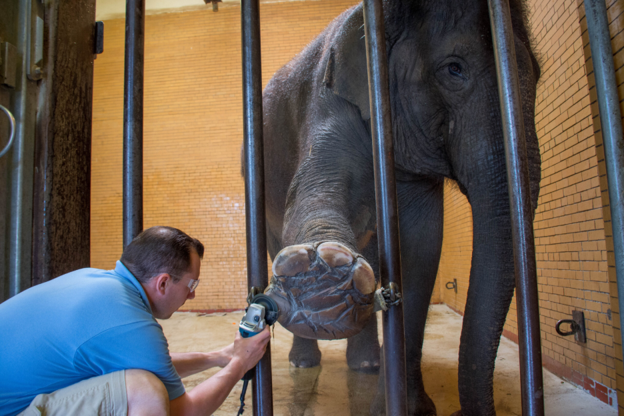
Elephant Foot Health: Detecting Problems Before Lameness
Foot problems in elephants do not necessarily begin with obvious lameness. By the time an elephant i...
Article
When an Elephant’s Behaviour Changes: Recognising Clinically Relevant Patterns
A change in an elephant’s behaviour can be easy to dismiss as temperament. It can also...
Article
Is It Normal for This Elephant? Building an Individual Health Baseline
For a long-lived animal, a single health assessment provides only a snapshot. A more useful c...
Article
Body Condition in Asian Elephants: When Does Change Become Clinically Relevant?
Body condition is often recorded during routine elephant health assessments. Its clinical value, how...
Article
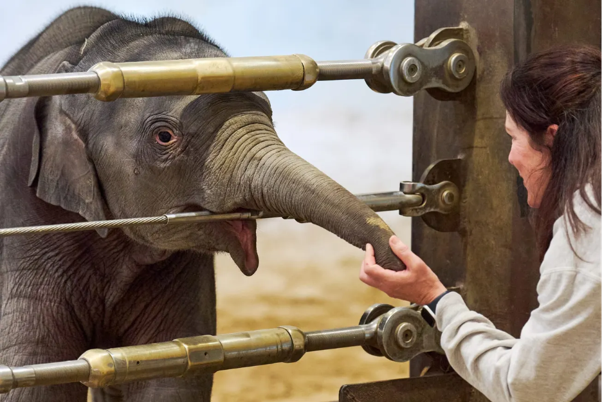
EEHV in Asian Elephant Calves: Recognising the Early Clinical Picture
Elephant endotheliotropic herpesvirus (EEHV) is an important cause of fatal haemorrhagic disease in...
Article
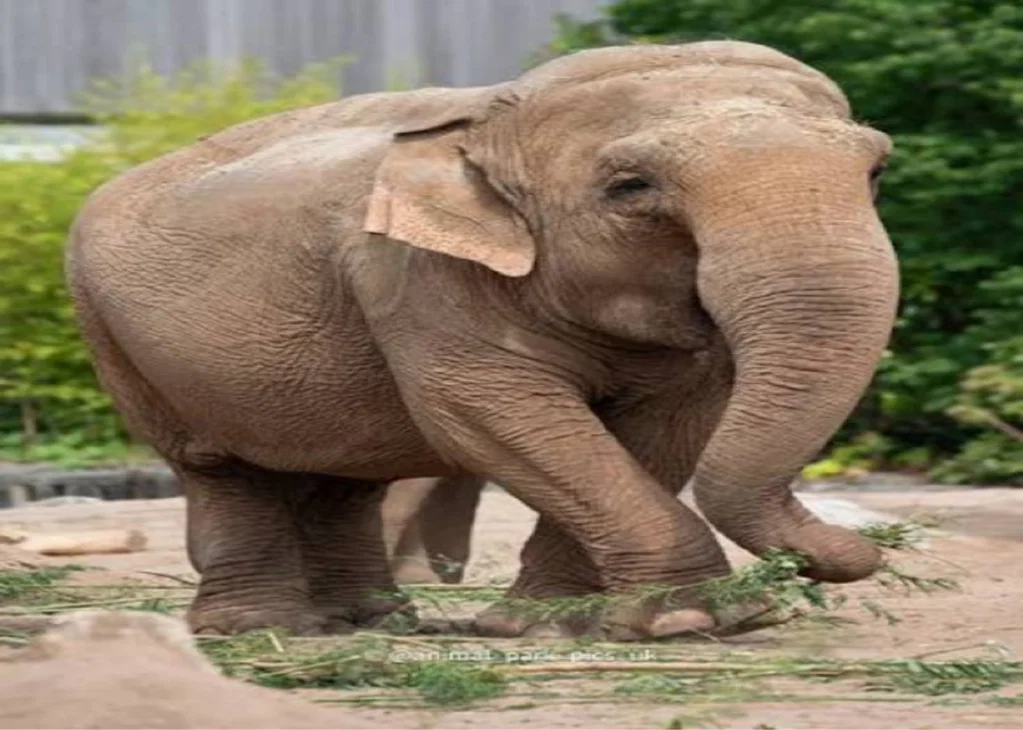
Gastrointestinal Parasites in Asian Elephants: Interpreting Faecal Findings
A positive faecal examination confirms the detection of parasite stages in the sample. It does not,...
Article
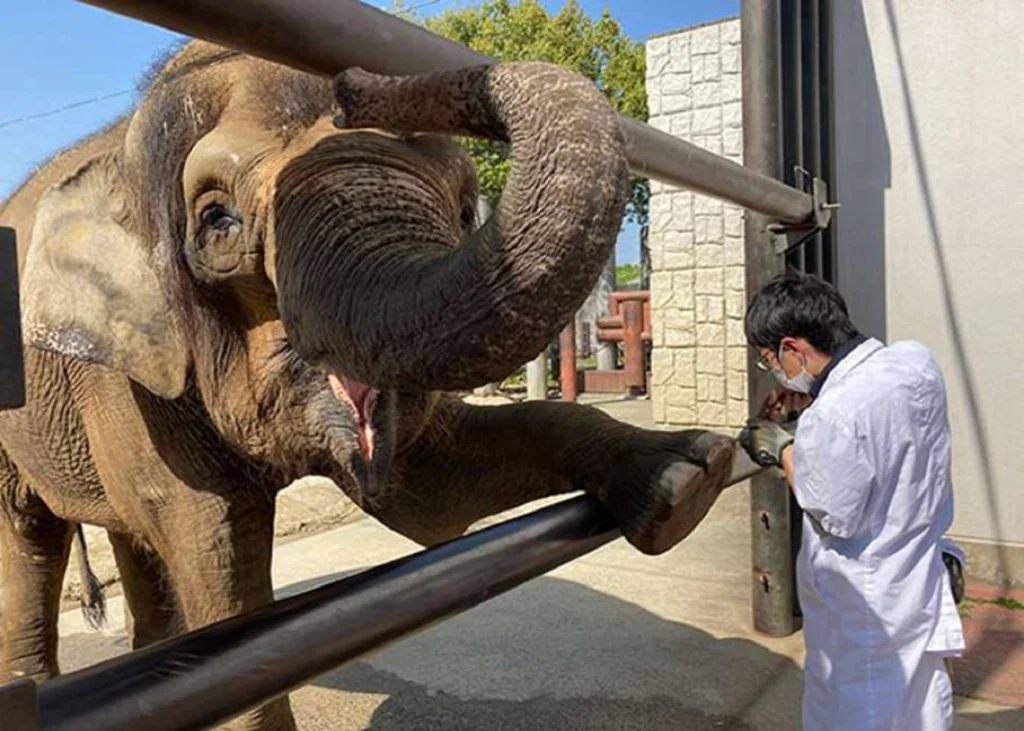
Tuberculosis in Asian Elephants: Interpreting Screening Results in Context
Tuberculosis surveillance in elephants presents a fundamental diagnostic challenge: a test result is...
Article
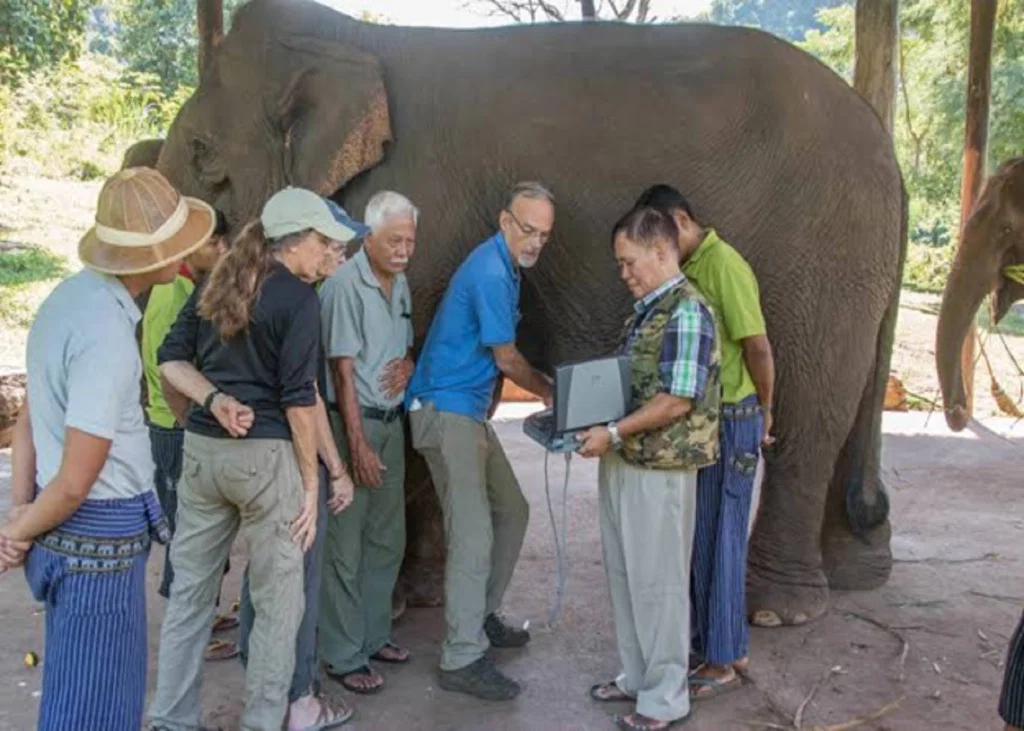
Pregnancy Monitoring in Asian Elephants: Interpreting Ultrasound and Hormonal Findings
Confirming pregnancy is only the beginning of reproductive monitoring in an elephant. With a...