Video
Status Epilepticus in Small Animals: Current Concepts, Recent Guidelines, and Practical Management
Status epilepticus is a life-threatening neurological emergency requiring rapid recognition and prompt intervention to minimize neuronal injury and improve patient outcomes. In small animals, prolonged or recurrent seizure activity may result from idiopathic epilepsy, metabolic disturbances, intoxications, intracranial disease, infectious disorders, or systemic illness. Effective management involves stabilization of the patient, seizure termination using appropriate anticonvulsants, identification of the underlying cause, and prevention of seizure recurrence. Current veterinary guidelines emphasize a structured treatment approach, timely escalation of therapy in refractory cases, intensive monitoring, and post-seizure care. Understanding recent advances in emergency management and anticonvulsant protocols is essential for optimizing outcomes in canine and feline patients.
Download the attached consensus review to explore current recommendations for the diagnosis, emergency stabilization, and management of status epilepticus in dogs and cats.
https://bookcafe.yuntsg.com/ueditor/jsp/upload/file/20260512/1778563367373003835.pdf
Related Contents
Article
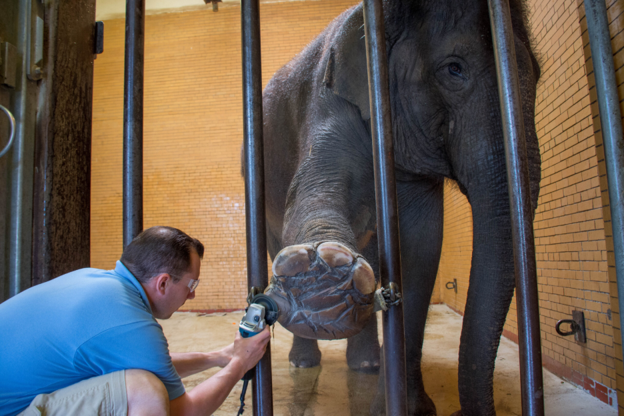
Elephant Foot Health: Detecting Problems Before Lameness
Foot problems in elephants do not necessarily begin with obvious lameness. By the time an elephant i...
Article
When an Elephant’s Behaviour Changes: Recognising Clinically Relevant Patterns
A change in an elephant’s behaviour can be easy to dismiss as temperament. It can also...
Article
Is It Normal for This Elephant? Building an Individual Health Baseline
For a long-lived animal, a single health assessment provides only a snapshot. A more useful c...
Article
Body Condition in Asian Elephants: When Does Change Become Clinically Relevant?
Body condition is often recorded during routine elephant health assessments. Its clinical value, how...
Article
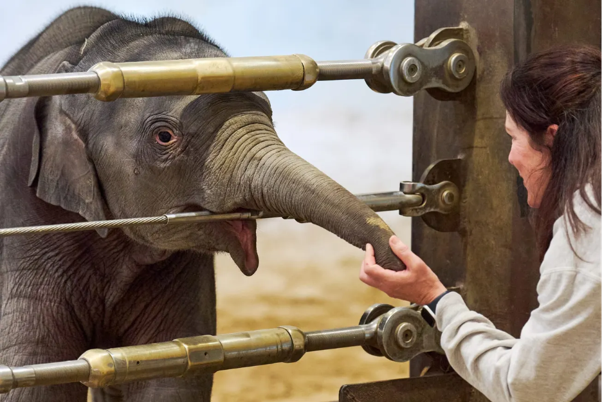
EEHV in Asian Elephant Calves: Recognising the Early Clinical Picture
Elephant endotheliotropic herpesvirus (EEHV) is an important cause of fatal haemorrhagic disease in...
Article
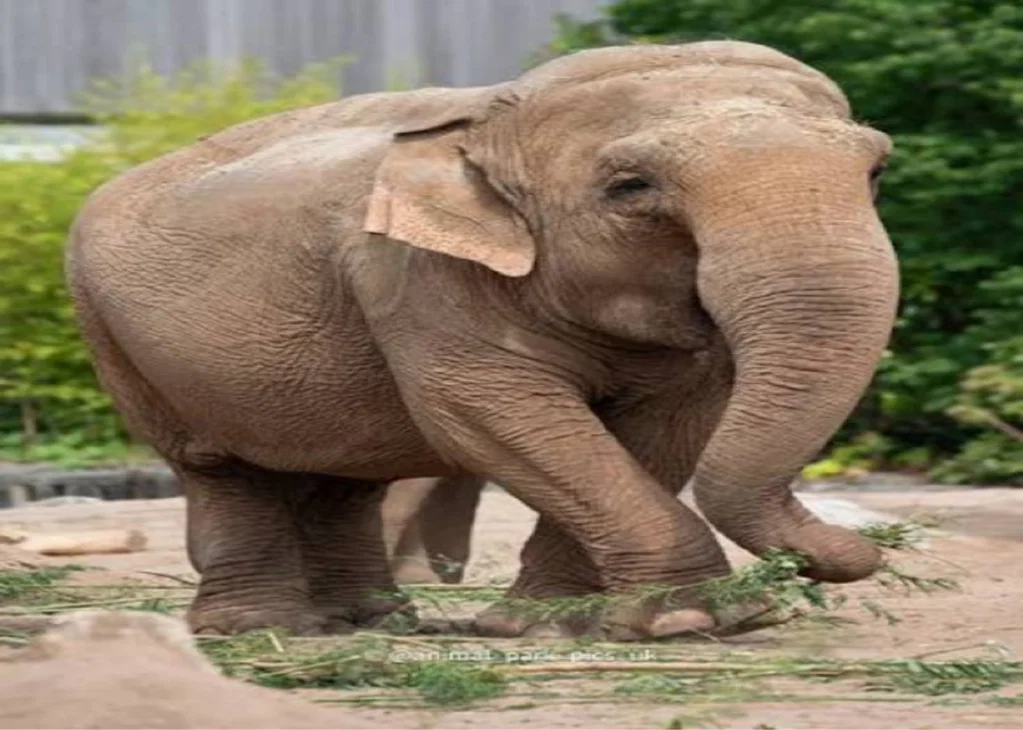
Gastrointestinal Parasites in Asian Elephants: Interpreting Faecal Findings
A positive faecal examination confirms the detection of parasite stages in the sample. It does not,...
Article
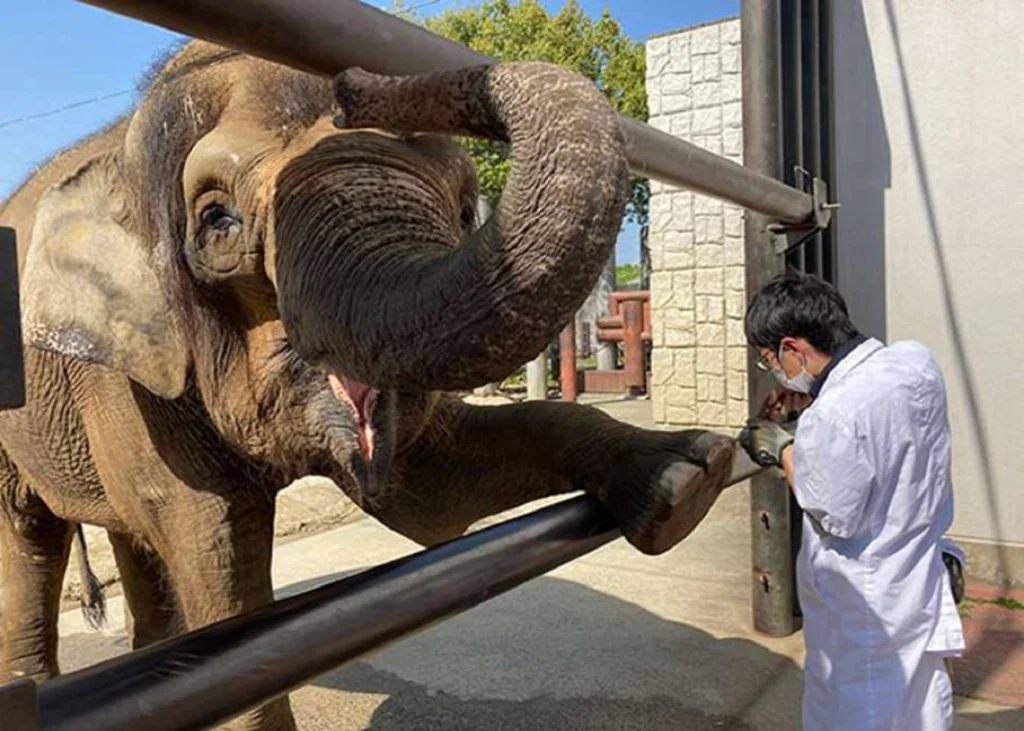
Tuberculosis in Asian Elephants: Interpreting Screening Results in Context
Tuberculosis surveillance in elephants presents a fundamental diagnostic challenge: a test result is...
Article
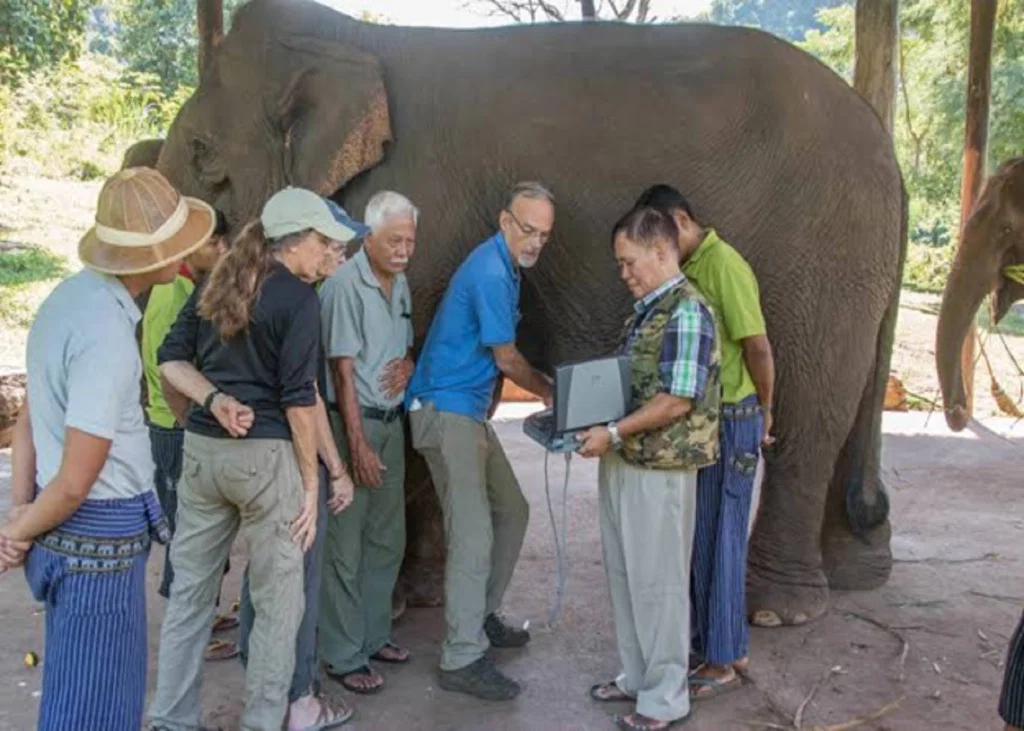
Pregnancy Monitoring in Asian Elephants: Interpreting Ultrasound and Hormonal Findings
Confirming pregnancy is only the beginning of reproductive monitoring in an elephant. With a...