Article
Classification and Causes of Immune-Mediated Hemolytic Anemia (IMHA) in Dogs
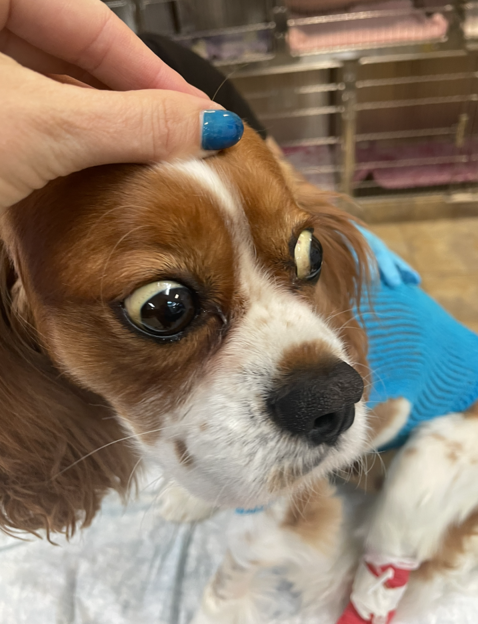
Immune-mediated hemolytic anemia (IMHA) is one of the most frequently encountered autoimmune hematological disorders in dogs and remains a challenging condition in clinical practice. It is characterized by immune-mediated destruction of red blood cells (RBCs), resulting in anemia of varying severity. Although the disease itself is well recognized, identifying the underlying cause is often the most important step in successful case management. Distinguishing between primary and secondary IMHA not only helps establish an accurate diagnosis but also guides treatment decisions and influences prognosis.
Understanding the mechanisms and potential triggers of IMHA enables veterinarians to approach affected dogs systematically and minimize the risk of overlooking an underlying condition1.
Understanding Primary and Secondary IMHA
Canine IMHA is broadly classified into primary (idiopathic) and secondary forms based on the presence or absence of an identifiable underlying cause1.
Primary IMHA
Primary IMHA represents the most common form of the disease in dogs. In these cases, no identifiable trigger can be detected despite thorough evaluation. The condition results from an autoimmune response in which anti-erythrocytic antibodies are produced against the dog's own RBC membrane antigens. Among the membrane components, glycophorins are considered one of the most common antigenic targets2.
These autoantibodies bind to erythrocytes, marking them for immune-mediated destruction and leading to anemia. Since there is no associated underlying disease, treatment primarily focuses on controlling the immune response.
Secondary IMHA
Secondary IMHA develops when immune-mediated destruction of RBCs occurs as a consequence of another underlying condition3. In this form, exogenous antigens alter or attach to the RBC membrane, modifying its structure and triggering an immune response2. As a result, affected erythrocytes become targets for erythrophagocytosis and subsequent hemolysis.
Unlike primary IMHA, secondary IMHA can occur in dogs of any age or breed and should be particularly considered in patients presenting with features atypical for primary disease, including geriatric animals1.
Common Triggers of Secondary IMHA
Several conditions have been associated with secondary IMHA.
Infectious Diseases
Infectious agents such as Babesiosis, Ehrlichiosis, and Anaplasmosis are recognized triggers1. Among these, Babesia gibsoni is identified as one of the most common infectious causes in dogs4.
As the organism infects erythrocytes, antibody production directed against the pathogen may also contribute to immune-mediated destruction of infected and, in some cases, uninfected RBCs. Activated macrophages may further increase oxidative damage to erythrocytes, contributing to disease severity1,4.
Drug-Associated IMHA
Certain medications, including sulphonamides, penicillins, and cephalosporins, have been associated with IMHA3. Drug molecules or their metabolites may attach to the RBC membrane, resulting in antibody production and formation of drug-antibody complexes. These complexes activate complement or promote macrophage-mediated destruction of erythrocytes, ultimately leading to hemolysis1.
Vaccination
Vaccination has been suggested as a possible trigger in some dogs, particularly when immune-mediated disease develops within one month following vaccination. Proposed mechanisms include alteration of RBC membrane components or immune complex formation involving vaccine constituents. However, definitive evidence confirming this relationship remains unavailable1.
Neoplasia and Other Causes
Underlying neoplastic conditions such as lymphosarcoma and haemangiosarcoma may also contribute to secondary IMHA. Miscellaneous factors, including vaccination, are additionally recognized among potential initiating events3.
Why Identifying the Cause Matters1
Differentiating primary from secondary IMHA has direct therapeutic importance. While immunosuppressive therapy remains central to disease management, secondary IMHA may respond poorly or recur if the initiating cause is not identified and addressed. A careful evaluation for infectious diseases, medication history, vaccination status, and concurrent illnesses should therefore form an essential part of the diagnostic work-up before treatment decisions are finalized.
Practical Clinical Insights
- Classify every suspected IMHA case as primary or secondary early in the diagnostic process.
- Review recent medication use and vaccination history when evaluating affected dogs.
- Consider infectious diseases such as babesiosis, ehrlichiosis, and anaplasmosis as potential underlying triggers, particularly in appropriate clinical settings.
- In older dogs or patients with atypical presentations, actively investigate for concurrent diseases, including neoplasia.
- Identifying and addressing an underlying cause may improve therapeutic response and help reduce recurrence of secondary IMHA.
Conclusion
IMHA is not a single disease entity but a syndrome with diverse underlying causes. Recognizing the distinction between primary and secondary IMHA provides the foundation for effective case management. A structured clinical evaluation aimed at identifying infectious, drug-related, neoplastic, or other contributing factors can support more targeted therapeutic planning and improve overall clinical decision-making in dogs presenting with immune-mediated hemolytic anemia.
References
- Karthik I, Dubey A, Swamy M, Verma Y, Jatav M, Khare A, Rakesh S. Immune mediated hemolytic anemia in dogs–an overview. Indian J Agric Allied Sci. 2022;8(4) https://www.researchgate.net/publication/377525778
- Manev, I. andMarincheva, V. (2018). Canine immune-mediated hemolytic anemia - brief review. Tradition and Modernity in Veterinary Medicine, 3(4): 59-64. https://www.researchgate.net/profile/Iliyan-Manev/publication/323959897
- Piek CJ. Canine idiopathic immune-mediated haemolytic anaemia: a review with recommendations for future research. Veterinary quarterly. 2011 Sep 1;31(3):129-41. https://www.tandfonline.com/doi/pdf/10.1080/01652176.2011.604979
- Garden OA, Kidd L, Mexas AM, Chang YM, Jeffery U, Blois SL, Fogle JE, MacNeill AL, Lubas G, Birkenheuer A, Buoncompagni S. ACVIM consensus statement on the diagnosis of immune-mediated hemolytic anemia in dogs and cats. Journal of veterinary internal medicine. 2019 Mar;33(2):313-34. https://academic.oup.com/jvim/article-pdf/33/2/313/66658972/jvim15441.pdf
Related Contents

Article
The Elephant is Walking Differently: Where Should the Investigation Begin?
When an elephant begins walking differently, the first challenge is not necessarily to identify the...
Article
When an Elephant’s Blood Report Says “Abnormal”: How Should It Be Interpreted?
A laboratory report can flag a value as abnormal even when an elephant appears clinically healthy. C...
.jpg)
Upcoming Event
World Animal Day
World Animal Day highlights the importance of protecting animal health and welfare through responsib...
Video
Rabies: Epitome of the One Health Paradigm
Rabies exemplifies the One Health approach, linking animal health, human health, veterinary services...
Video
One Health Webinar on Important Updates on Rabies for Veterinary Practitioners and Students
Rabies remains a major zoonotic disease requiring vigilance across veterinary practice and public he...
.jpg)
Video
Transjugular Removal of Canine Heartworms: A Clinical and Surgical Overview
Transjugular removal of canine heartworms is a specialized intervention used in selected dogs with s...

Article
Feline Pregnancy Endocrinology: Hormonal Changes and Placental Function
Pregnancy in cats involves a distinctive endocrine pattern in which ovarian and placental hormones w...

Article
Hormonal Control of Pregnancy Termination in Cats
Pregnancy maintenance in cats depends strongly on coordinated hormonal support, particularly progest...