Article
Oxygen Therapy in Neonates: Room Air vs 100% Oxygen: What Do Guidelines Recommend?
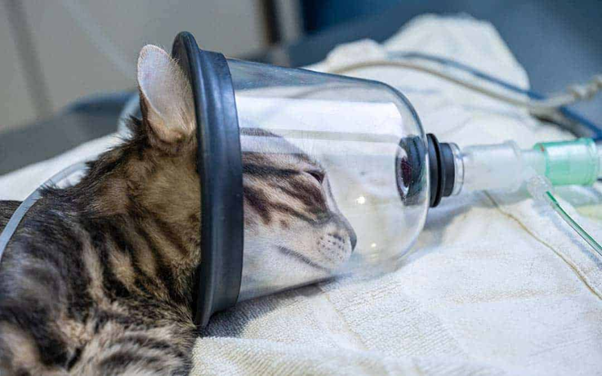
Oxygen therapy is a commonly used intervention during neonatal resuscitation. However, its use requires careful consideration, as both insufficient and excessive oxygenation may have clinical implications. The RECOVER guidelines provide recommendations regarding the appropriate use of oxygen in newborn puppies and kittens, emphasizing a balanced and evidence-informed approach1,2.
Physiological Considerations at Birth1
At birth, the transition from placental to pulmonary gas exchange results in gradual increases in arterial oxygen levels. This process is not instantaneous and typically occurs over time as lung aeration improves and pulmonary circulation is established.
The use of supplemental oxygen should therefore take into account this natural progression. Immediate exposure to high oxygen concentrations may not always be necessary and should be guided by clinical assessment.
Room Air vs 100% Oxygen: Clinical Perspective1
The guidelines suggest that ventilation, rather than oxygen concentration alone, is the primary determinant of successful resuscitation. Establishing effective ventilation through positive pressure ventilation (PPV) plays a central role in improving oxygenation.
Room air may be sufficient in many cases, particularly when effective ventilation is achieved. The routine use of 100% oxygen is not universally recommended, as excessive oxygen exposure may be associated with potential risks.
Potential Risks of Hyperoxia1
Excessive oxygen administration may lead to hyperoxia, which has been associated with oxidative stress and potential cellular injury. While the exact clinical implications in veterinary neonates may vary, cautious use of oxygen is generally advised.
Avoiding unnecessary exposure to high oxygen concentrations aligns with the principle of minimizing potential harm while supporting physiological adaptation.
When Supplemental Oxygen May Be Considered1
Supplemental oxygen may be considered in neonates that do not demonstrate adequate improvement with ventilation alone. Indicators for oxygen use may include:
- Persistent low heart rate despite effective ventilation
- Poor respiratory effort
- Signs suggestive of inadequate oxygenation
In such cases, oxygen may be administered alongside PPV to support improved oxygen delivery.
Integration with Ventilation
It is important to recognize that oxygen therapy should not replace effective ventilation. Inadequate ventilation may limit the benefits of oxygen supplementation, as oxygen cannot reach the alveoli without proper airflow.
Therefore, ensuring airway patency and effective ventilation remains the primary focus during resuscitation1,2.
Monitoring and Adjustment1
Continuous assessment is essential when administering oxygen. Heart rate, respiratory effort, and overall responsiveness should be monitored to evaluate the effectiveness of interventions.
Adjustments to oxygen delivery may be made based on the neonate’s clinical response.
Clinical Preparedness
Veterinary teams should be prepared to provide oxygen therapy when indicated. This includes having appropriate equipment available and understanding the principles guiding its use.
Conclusion
Oxygen therapy is an important but carefully regulated component of neonatal resuscitation. The guidelines suggest prioritizing effective ventilation and using supplemental oxygen judiciously. By balancing oxygen delivery with physiological needs, veterinarians may support safer and more effective neonatal care.
Reference
- Boller M, Burkitt‐Creedon JM, Fletcher DJ, Byers CG, Davidson AP, Farrell KS, Bassu G, Fausak ED, Grundy SA, Lopate C, Veronesi MC. RECOVER Guidelines: Newborn Resuscitation in Dogs and Cats. Clinical Guidelines. Journal of Veterinary Emergency and Critical Care. 2025 Aug;35:S60-85. https://onlinelibrary.wiley.com/doi/pdf/10.1111/vec.70013
- Pike H, Kolstad V, Eilevstjønn J, Davis PG, Ersdal HL, Rettedal S. Newborn resuscitation timelines: accurately capturing treatment in the delivery room. Resuscitation. 2024 Apr 1;197:110156. https://www.sciencedirect.com/science/article/pii/S0300957224000492
Related Contents
.jpg)
Video
Transjugular Removal of Canine Heartworms: A Clinical and Surgical Overview
Transjugular removal of canine heartworms is a specialized intervention used in selected dogs with s...

Article
Feline Pregnancy Endocrinology: Hormonal Changes and Placental Function
Pregnancy in cats involves a distinctive endocrine pattern in which ovarian and placental hormones w...

Article
Hormonal Control of Pregnancy Termination in Cats
Pregnancy maintenance in cats depends strongly on coordinated hormonal support, particularly progest...

Article
Feline Embryo Implantation and Early Placental Development
Pregnancy establishment in cats involves a sequence of precisely timed events between fertilization,...

Article
Ultrasonographic Monitoring of Pregnancy in Cats: A Gestational Timeline
Ultrasonography provides a practical way to follow the progression of feline pregnancy by identifyin...

Article
Feline Mismating: Pregnancy Diagnosis and Clinical Management
Mismating or unplanned mating is a common clinical problem in sexually mature queen cats because of...

Article
Medical Termination of Pregnancy in Queens: Drugs, Timing and Treatment Protocols
Medical termination of pregnancy (MTP) in queen cats should be approached according to the timing of...

Article
Safety and Aftercare Following Pregnancy Termination in Queen Cats
Pregnancy termination in queen cats requires more than selecting an appropriate abortifacient. Once...