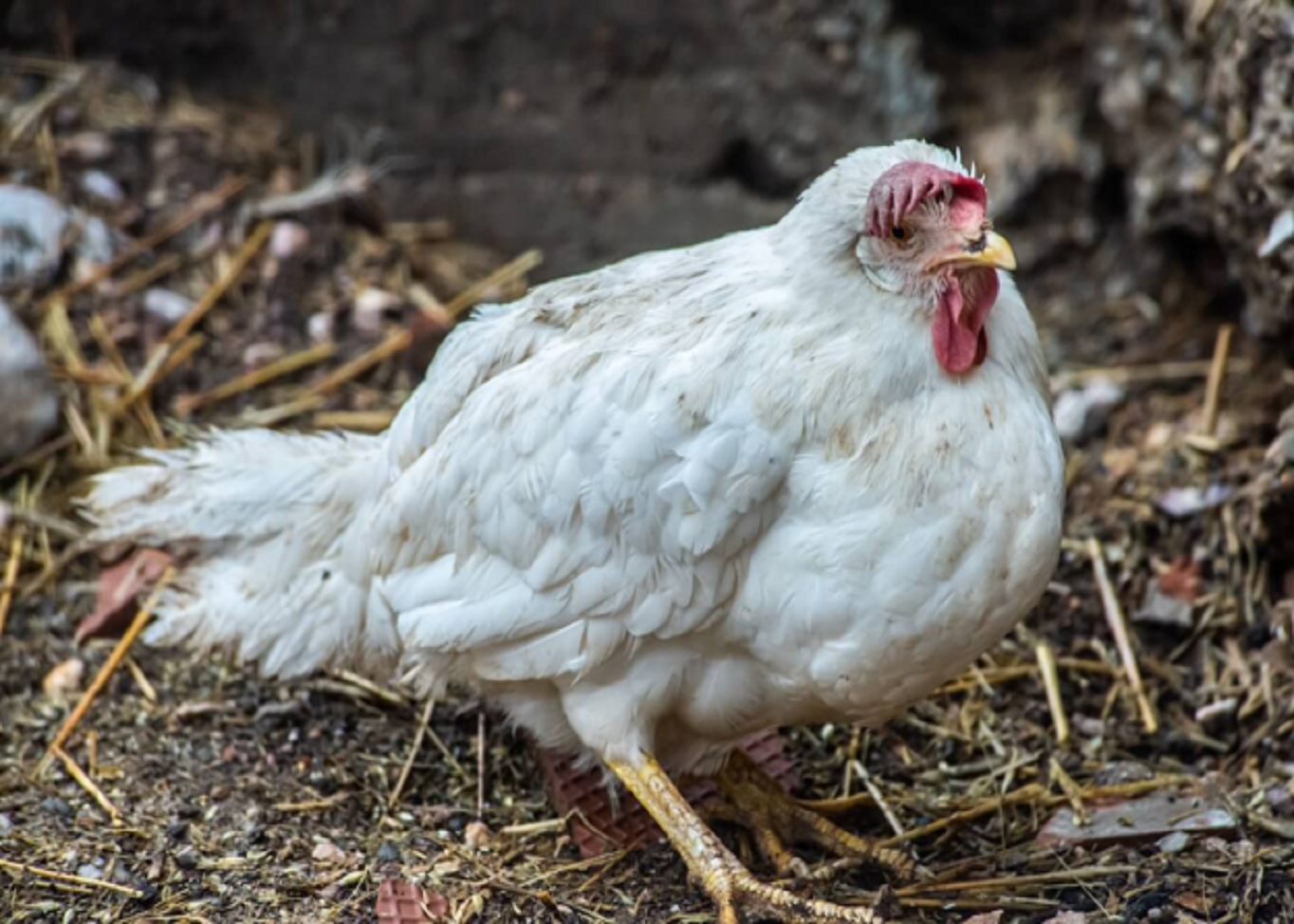
Article
Recognising Major Bacterial Diseases in Poultry: Clinical Signs and Transmission Clues
Respiratory signs in a poultry flock do not always point to the same bacterial disease. Nasal discharge, coughing, facial swelling, reduced feed intake and falling egg production may occur in different infections. For practising veterinarians, distinguishing the clinical patterns—and considering how infection may have entered the flock—is important when planning disease control.
Bacterial diseases can affect productivity through treatment costs, production losses, market disruption, and expenditure on prevention. Some also have zoonotic implications, making flock health and customer safety relevant parts of the same control approach[1].
Infectious Coryza: Look Beyond Nasal Discharge
Infectious coryza is an acute, severe respiratory illness caused by Haemophilus paragallinarum. Birds act as reservoir hosts and carriers. Transmission may occur through direct contact, airborne droplets, and fomites[2],[3].
Common signs include nasal and ocular discharge, swelling around the eyes and cheeks, rhinitis, sinusitis and anorexia. Reduced egg production may also be observed in layer flocks[4].
When these signs occur together, veterinarians should consider infectious coryza while assessing the flock’s exposure history. Secretions and excretions can contribute to transmission, as can the movement of farm machinery, equipment and employees.Immunisation and appropriate biosecurity practices are described as measures to help limit its spread[1].
Salmonellosis: Age and Clinical Presentation Matter[1]
Salmonellosis is associated with several Salmonella strains. The clinical presentation differs with the age of the birds: young chickens are susceptible to pullorum disease, whereas adult fowl are susceptible to fowl typhoid.
Fowl typhoid, caused by Salmonella gallinarum, is more common during the growth season and in mature flocks. Signs may resemble septicaemia, with inappetence and death. Pullorum disease, caused by Salmonella pullorum, may present in young chickens with white diarrhoea and depression.
Salmonellosis can spread through contaminated day-old chicks, domestic animals, people, equipment, water, feed and the environment. Transmission may also occur through direct or indirect contact with infected birds, wound infection, and transovarian transmission through eggs.
Mycoplasmosis: Consider Respiratory and Production Effects[1]
Mycoplasma gallisepticum causes chronic respiratory infections. Affected hens may show coughing, panting, slightly open-beak breathing and reduced feed intake. Other reported signs include reduced egg production, facial oedema, ocular discharge, corneal, and conjunctival irritation. Eggshells may become thin, rough, and less opaque, increasing the likelihood of cracking or breakage.
Transmission through infected eggs is particularly important, including vertical transmission. Infection involving M. gallisepticum alongside E. coli may contribute to chronic respiratory disease and economic consequences.
Fowl Cholera and Colibacillosis: Recognise Broader Disease Patterns[1]
Fowl cholera, caused by Pasteurella multocida, is a septicaemic disease affecting domestic and wild fowl. Adult chickens are more susceptible than young birds, and layers are reported to experience higher mortality than broilers. Respiratory rales, coughing, and nasal discharge may occur. Transmission can involve faeces and oral or nasal discharge from recovered birds.
Colibacillosis, caused by avian pathogenic E. coli (APEC), has a wider range of presentations, including septicaemia, air sac disease, enteritis, cellulitis, peritonitis, salpingitis, and yolk sac infection. Although E. coli normally forms part of the intestinal microflora, opportunistic strains may cause infection in debilitated or immunosuppressed birds or when gastrointestinal barriers are compromised.
Clinical Bottom Line
A useful flock assessment considers more than the presenting respiratory or systemic signs. Age, production stage, egg-quality changes, and possible transmission routes can help distinguish these bacterial conditions. Identifying the likely disease pattern also helps veterinarians focus prevention and control on flock exposure, sanitation, biosecurity, and appropriate immunisation measures.
References:
- Serbessa TA, Geleta YG, Terfa IO. Review on diseases and health management of poultry and swine. International Journal of Avian & Wildlife Biology. 2023 Apr;7(1):27-38. https://www.researchgate.net/profile/Tagesu-Abdisa/publication/371044181
- Morales-Erasto V, Falconi-Agapito FR, Luna-Galaz GA, Saravia LE, Montalvan-Avalos A, Soriano-Vargas E E, Fernández-Díaz M. Coinfection of Avibacterium paragallinarum and Ornithobacterium rhinotracheale in chickens from Peru. Avian diseases. 2016 Mar 1;60(1):75-8. https://avian-diseases.kglmeridian.com/downloadpdf/view/journals/avdi/60/1/article-p75.pdf
- Badouei MA, Sadrzadeh A, Azad N, Blackall P, Madadgar O, Charkhkar S. Isolation and molecular identification of Avibacterium paragallinarum in suspected cases of infectious coryza. Turkish Journal of Veterinary & Animal Sciences. 2014;38(1):46-9. https://journals.tubitak.gov.tr/cgi/viewcontent.cgi?article=1926&context=veterinary
- Paudel S, Hess M, Hess C. Coinfection of Avibacterium paragallinarum and Gallibacterium anatis in specific-pathogen-free chickens complicates clinical signs of infectious coryza, which can be prevented by vaccination. Avian Diseases. 2017 Mar 1;61(1):55-63. https://www.researchgate.net/profile/Claudia-Hess/publication/315323339
Related Contents
Article
Newcastle Disease and Marek’s Disease: Distinguishing Respiratory, Neurological and Paralytic Presentations
A chicken with respiratory distress may have Newcastle disease, but the clinical picture can change...
Article
Poultry Parasitic Diseases: Recognising the Impact of Coccidia, Helminths and Ectoparasites
Parasitic infections can affect poultry productivity even when clinical signs are not immediately ob...
Article
Managing Poultry Health Through Housing, Ventilation, Lighting and Nutrition
A poultry house is more than a shelter. Its temperature, airflow, lighting, feed availability and wa...
Article
Poultry Farm Biosecurity and Vaccination: Preventing Disease Introduction and Spread
Disease prevention on a poultry farm depends on more than responding to clinical cases. Farm layout,...
Article
Post-Weaning Diarrhoea in Piglets: Recognising Age-Related Enteric Pathogens and Clinical Presentations
The days following weaning represent an important period for monitoring enteric health in piglets. D...
Article
Respiratory and Systemic Diseases in Pigs: Recognising Clinical Patterns Across Production Stages
Respiratory illness in pigs may present as coughing and laboured breathing, while systemic infection...
Article
Swine Herd Biosecurity: Managing Disease Risks Through Animal Movement, Personnel and Farm Operations
A swine herd can face disease exposure through several routine farm activities. Introducing replacem...
Article
Traumatic Reticuloperitonitis vs Traumatic Pericarditis in Cattle and Buffaloes: Recognising the Clinical Differences
A cow presenting with reduced milk production, tachycardia and inappetence may initially raise suspi...