Article
Clinical Assessment of Canine Anemia: Key Signs Every Veterinarian Should Recognize
Anemia is one of the most frequently encountered hematological abnormalities in canine practice and may arise from a wide range of underlying conditions. It is characterized by a decrease in circulating erythrocytes or hemoglobin concentration, leading to a reduced oxygen-carrying capacity of blood. In physiological terms, anemia reflects the decreased ability of blood to deliver adequate oxygen to tissues for normal metabolic function1. Because clinical presentation can vary from subtle to life-threatening, a systematic clinical assessment remains essential for timely diagnosis and appropriate case management.
Why Clinical Assessment Matters
Clinical evaluation provides valuable information before laboratory findings are available and helps determine the severity of disease. A structured assessment of history, physical examination, and clinicopathological findings allows veterinarians to identify dogs requiring immediate intervention while guiding further diagnostic work-up.
For clinical assessment, attention should be given to multiple parameters rather than relying on a single clinical sign. These include1:
- Visible mucous membrane colour
- Rectal temperature
- Heart rate
- Respiratory rate
- Appetite
- Lethargy and weakness
- Body condition
- Behaviour and activity
- Skin and hair coat
- Posture and gait
These observations can be complemented with hematological evaluation, urine analysis, and fecal examination to strengthen clinical decision-making2,3.
Recognizing the Clinical Picture1
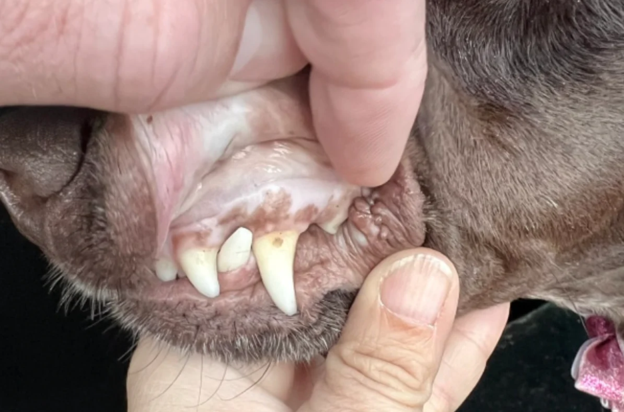
Several clinical abnormalities consistently indicate the presence of anemia. Among the most prominent findings are pale visible mucous membranes, lethargy or reluctance to move, anorexia, tachycardia, deep breathing, and a rough, dehydrated skin and hair coat. These manifestations reflect the physiological consequences of reduced oxygen delivery and should prompt further hematological evaluation.
Changes in heart rate and respiratory rate are particularly useful during physical examination, as compensatory tachycardia and increased respiratory effort may become evident in affected dogs. Likewise, poor body condition, altered behaviour, and weakness often provide additional clues regarding disease severity.
While posture and gait may also be evaluated, alterations in these parameters may not always be consistently associated with anemia, reinforcing the importance of assessing the patient as a whole rather than relying on isolated findings.
Assessing Severity Through Clinical Scoring
A practical approach to clinical assessment involves grading abnormalities across ten clinical parameters. Each parameter can be assigned a score based on whether it remains within normal limits or deviates from normal. The cumulative score helps categorize the severity of anemia into mild, moderate, or severe.
This systematic method encourages consistency during examination and facilitates monitoring over time. It also enables clinicians to compare clinical progression with laboratory findings and evaluate response to treatment during follow-up visits.
Although clinical scoring supports decision-making, it should always be interpreted alongside hematological investigations, as laboratory confirmation remains essential for definitive diagnosis.
Practical Clinical Insights
In everyday practice, canine anemia should be suspected whenever pale mucous membranes are accompanied by lethargy, anorexia, tachycardia, or increased respiratory effort. Performing a structured physical examination that includes assessment of body condition, behaviour, posture, skin and hair coat, and vital parameters can help identify affected dogs early and prioritize cases requiring immediate laboratory evaluation.
A standardized clinical assessment also promotes consistency between clinicians and provides an objective framework for monitoring disease progression. Integrating careful physical examination with hematological testing, urine analysis, and fecal examination supports a more comprehensive diagnostic approach and helps guide appropriate clinical management.
References
- Swami S, Moregaonkar S, Gangane G, Rathod P, Narladkar B, Yeotikar P, Sakhare M, Pathade D. Canine anaemia: clinical assessment, prevalence and morphological classification. International Journal of Advanced Biochemistry Research. 2024;8(4):279-84. https://doi.org/10.33545/26174693.2024.v8.i4Sd.961
- Mahalingaiah MK, Asoor M, Thimmaiah RP, Narayanaswamy HD, Mukartal SY, Elattuvalappil AM, Chikkahonnaiah N, Gupta S, Singh S. Prevalence of canine babesiosis in different breeds of dogs in and around Bengaluru. Adv Anim Vet Sci. 2017 Mar;5(3):140-4. http://dx.doi.org/10.14737/journal.aavs/2017/5.3.140.144
- Assenmacher TD, Jutkowitz LA, Koenigshof AM, Lucidi CD, Scott MA. Clinical features of precursor-targeted immune-mediated anemia in dogs: 66 cases (2004–2013). Journal of the American Veterinary Medical Association. 2019 Aug 1;255(3):366-76. https://www.academia.edu/download/101903536/javma.255.3.36620230506-1-osw88r.pdf
Related Contents

Article
The Elephant is Walking Differently: Where Should the Investigation Begin?
When an elephant begins walking differently, the first challenge is not necessarily to identify the...

Article
When an Elephant’s Blood Report Says “Abnormal”: How Should It Be Interpreted?
A laboratory report can flag a value as abnormal even when an elephant appears clinically healthy. C...
.jpg)
Upcoming Event
World Animal Day
World Animal Day highlights the importance of protecting animal health and welfare through responsib...
Video
Rabies: Epitome of the One Health Paradigm
Rabies exemplifies the One Health approach, linking animal health, human health, veterinary services...

Video
One Health Webinar on Important Updates on Rabies for Veterinary Practitioners and Students
Rabies remains a major zoonotic disease requiring vigilance across veterinary practice and public he...
.jpg)
Video
Transjugular Removal of Canine Heartworms: A Clinical and Surgical Overview
Transjugular removal of canine heartworms is a specialized intervention used in selected dogs with s...

Article
Feline Pregnancy Endocrinology: Hormonal Changes and Placental Function
Pregnancy in cats involves a distinctive endocrine pattern in which ovarian and placental hormones w...

Article
Hormonal Control of Pregnancy Termination in Cats
Pregnancy maintenance in cats depends strongly on coordinated hormonal support, particularly progest...