Video
Vasudhaiva Kutumbakam and One Health: Yogic Principles for Human and Animal Welfare
The concept of Vasudhaiva Kutumbakam—“the world is one family”—resonates strongly with the modern One Health approach, which recognizes the interconnectedness of human, animal, and environmental health. This webinar explores how yogic principles such as compassion, balance, harmony, and responsible living can contribute to a holistic framework for health and welfare. Participants will gain insights into the relevance of these principles in promoting animal welfare, public health, environmental sustainability, and community wellbeing. The session highlights the role of veterinarians, healthcare professionals, and policymakers in fostering collaborative and ethical approaches to health.
Download the attached recent research paper to explore how holistic and One Health approaches can strengthen human, animal, and environmental wellbeing.
https://medpr.imp.lodz.pl/pdf-192557-116180?filename=The-One-Health-concept--a.pdf
Related Contents
Article
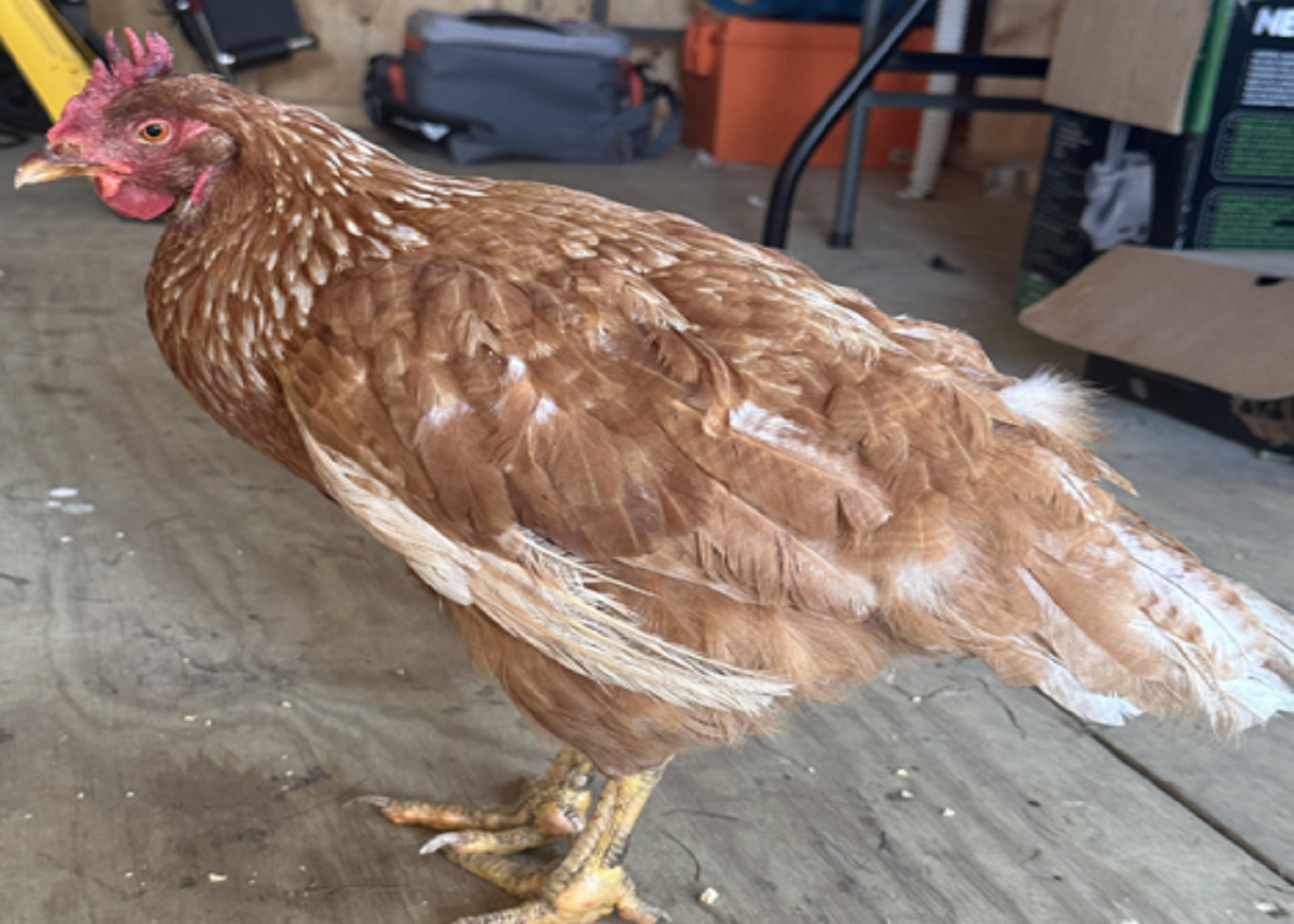
Multifactorial Causes of Gout in Poultry: Identifying Nutritional, Infectious and Management-Related Risk Factors
Gout in poultry is often associated with excessive dietary calcium or protein. However, attributing...
Article
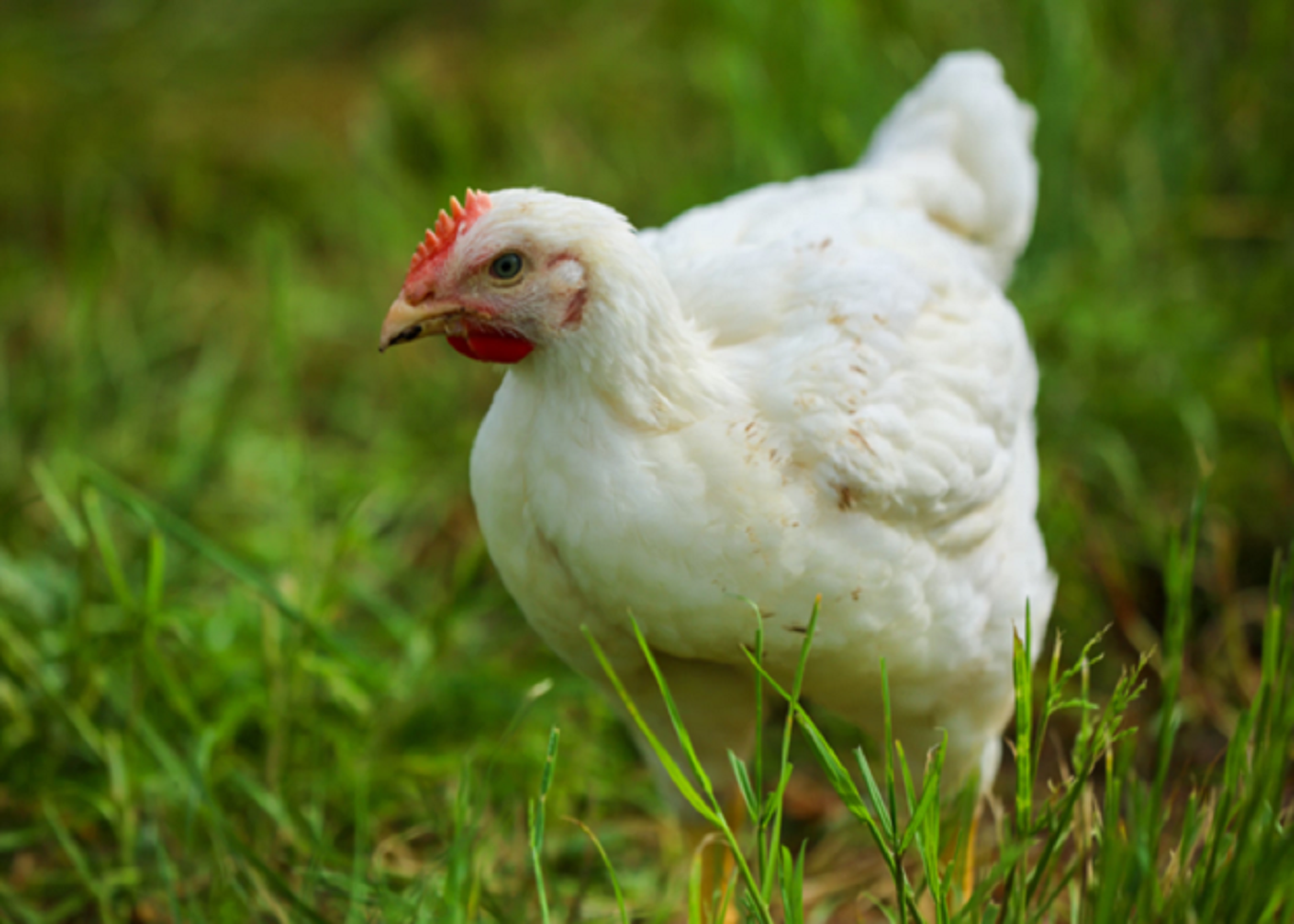
Visceral vs Articular Gout in Chickens: Differentiating Clinical Presentation and Pathological Lesions
A chicken with swollen joints and difficulty walking may present a very different clinical picture f...
Article
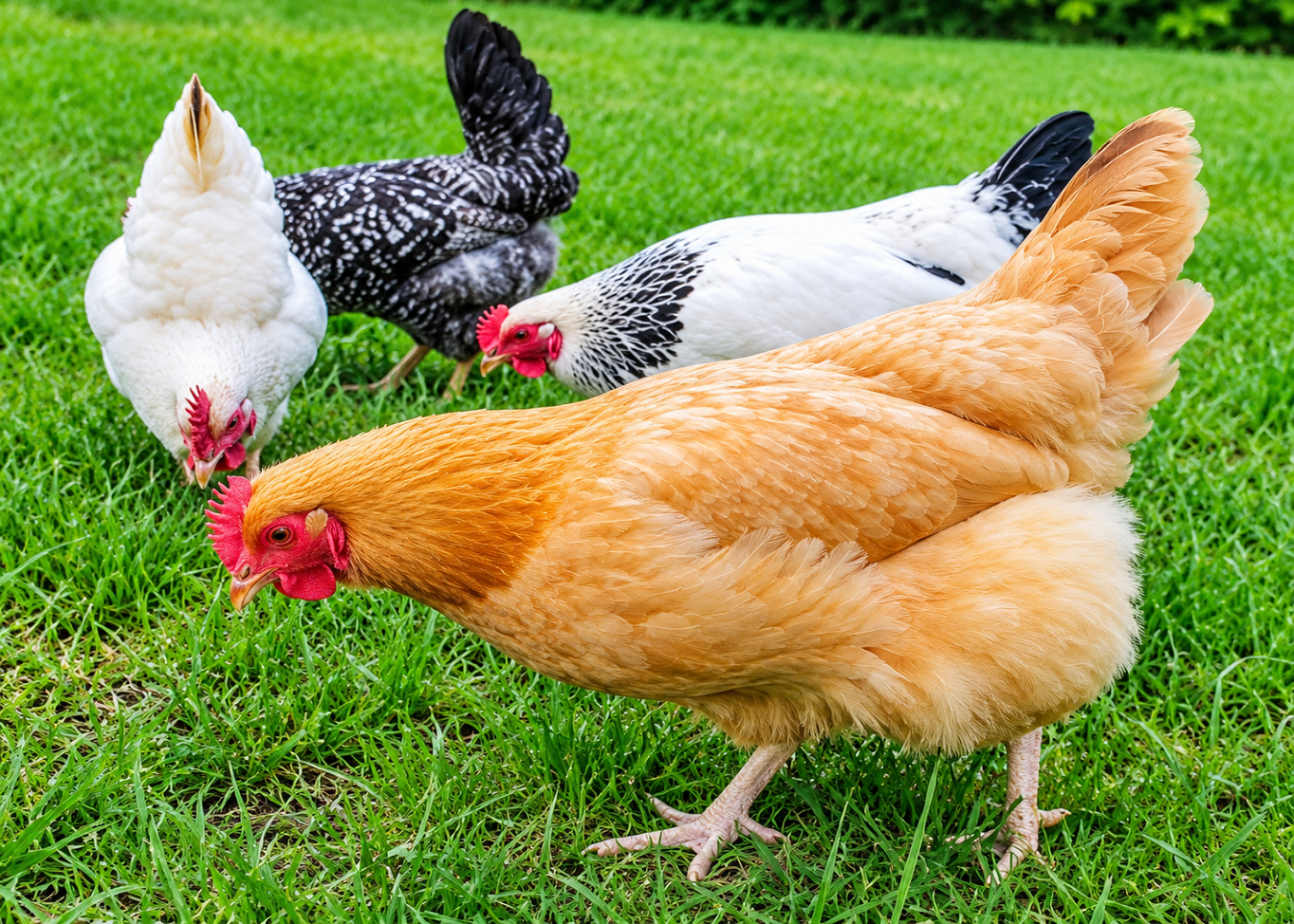
Clinical Pathology and Postmortem Diagnosis of Gout in Chickens
A chicken may show only dullness, reduced feed intake and dehydration before developing severe syste...
Article
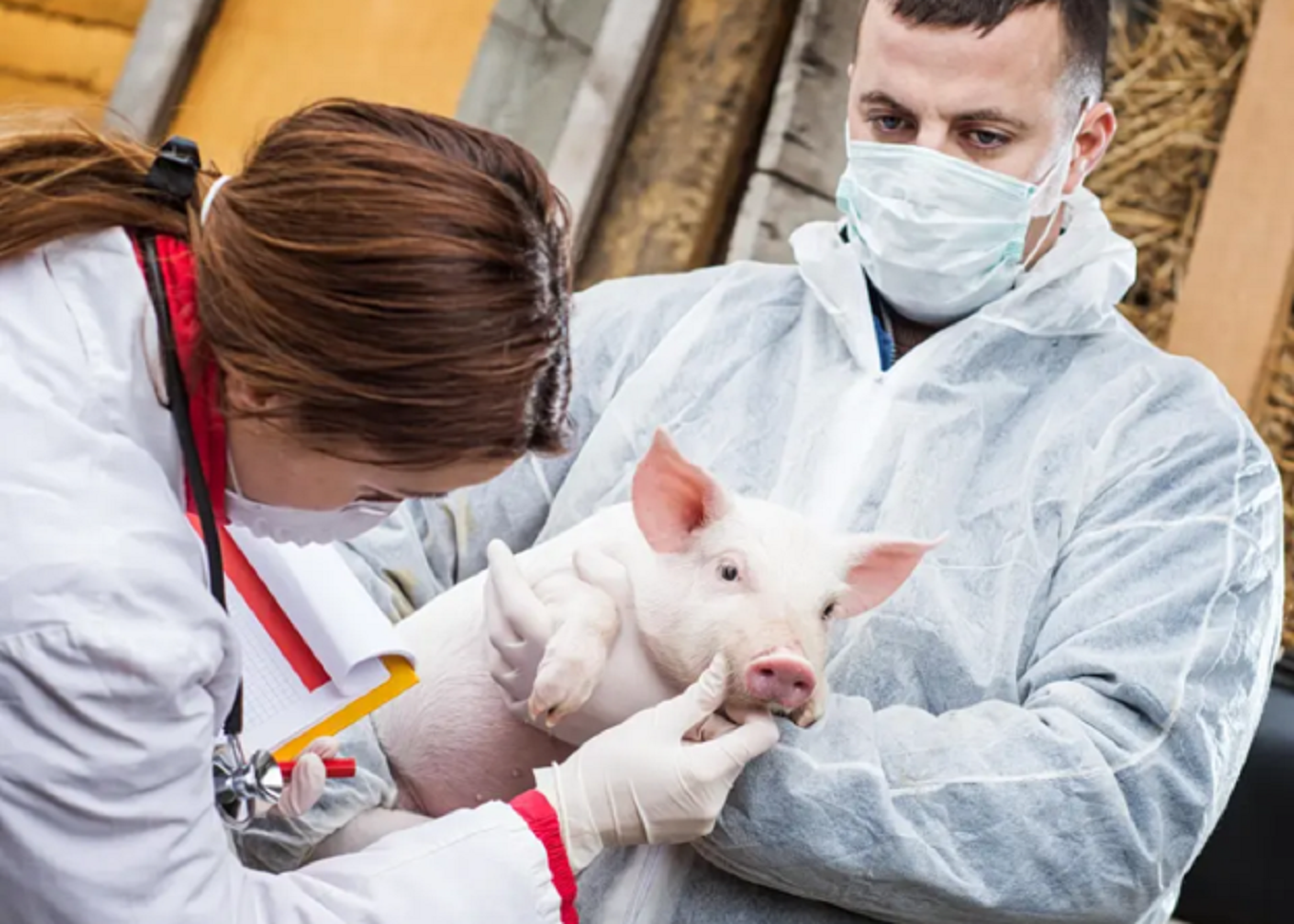
Slaughterhouse Lung Examination in Pigs: Detecting Subclinical Respiratory Disease
A batch of pigs may reach slaughter weight without showing obvious respiratory signs, yet examinatio...
Article
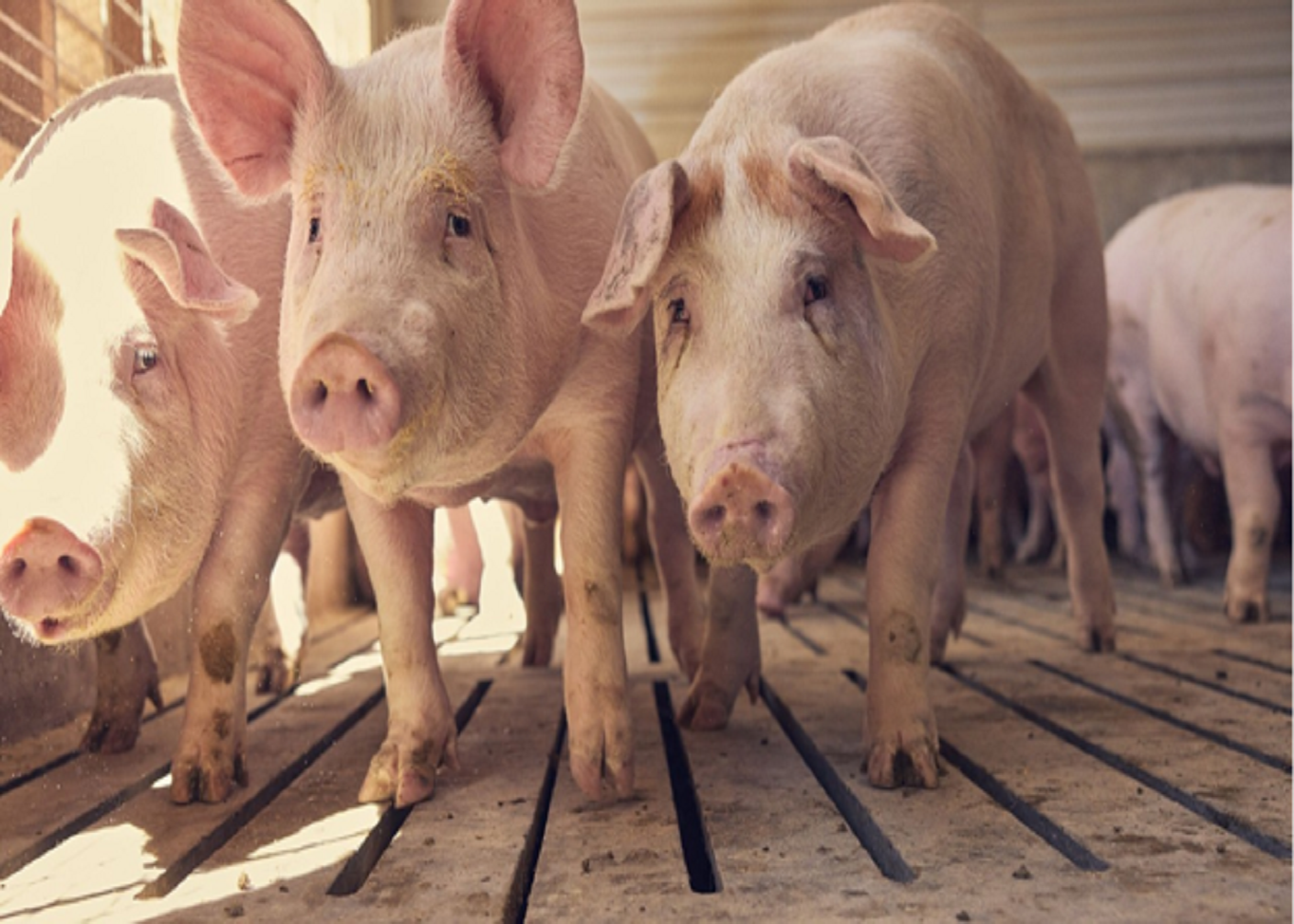
Cranioventral Pulmonary Consolidation in Pigs: Pathological Features and Clinical Significance
A pig may show reduced growth performance without displaying prominent respiratory signs. At slaught...
Article
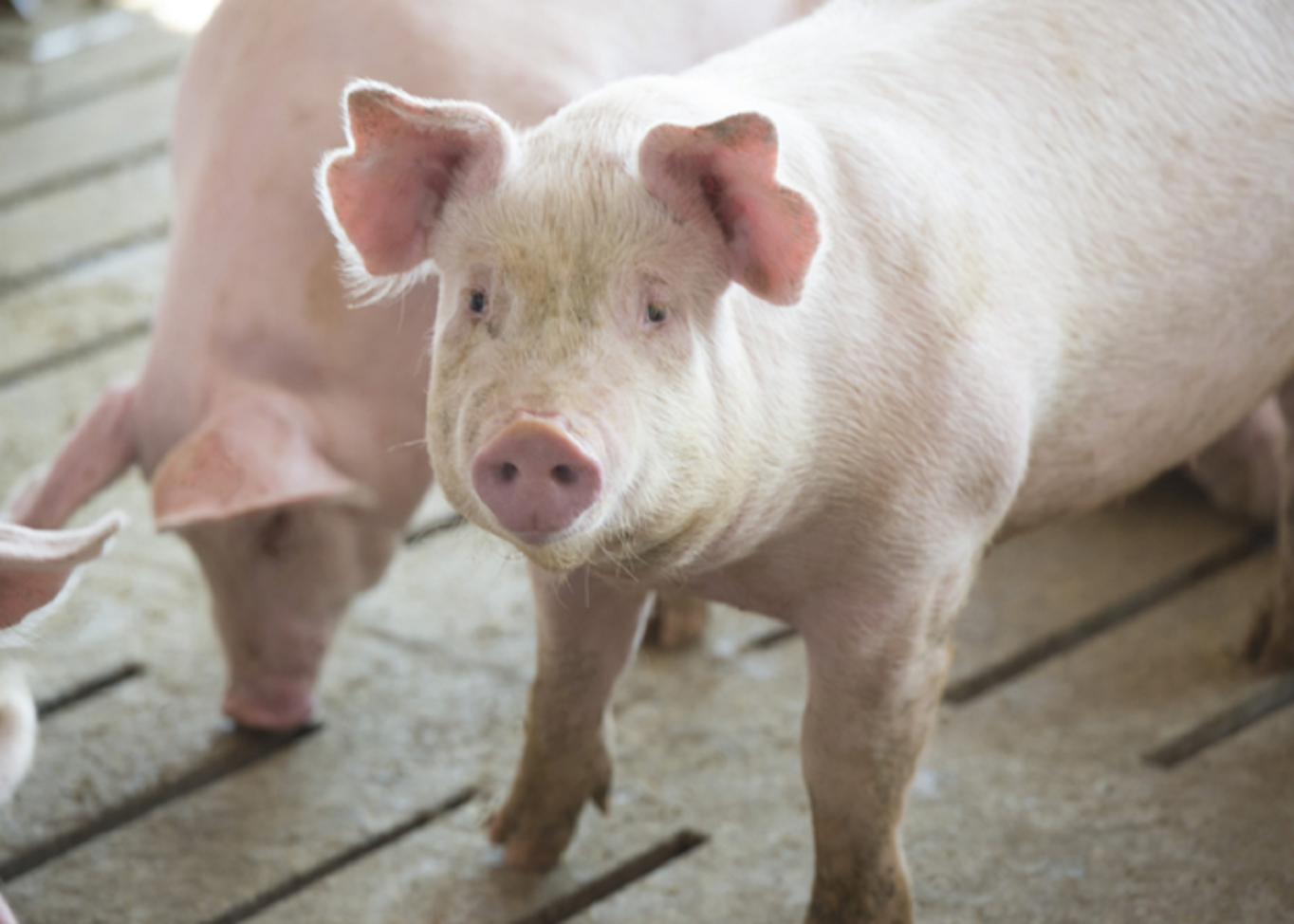
Pleurisy in Pigs: Lesion Development, Pathogen Associations and Clinical Interpretation
Pleural adhesions in slaughter pigs can indicate respiratory disease that occurred weeks before the...
Article
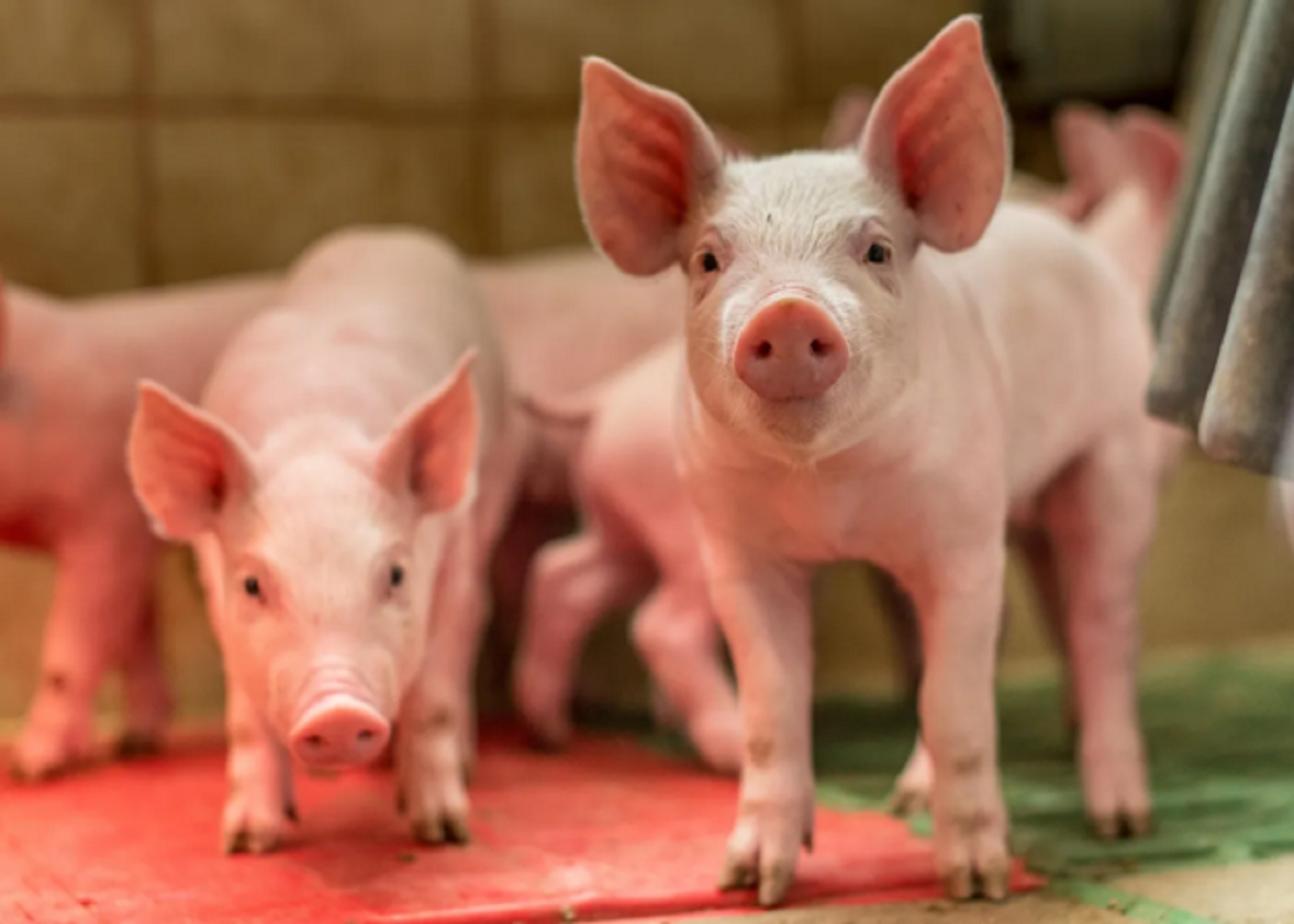
Scoring Lung Lesions in Pigs: Choosing Practical Methods for CVPC and Pleurisy
A lung lesion score is useful only when it captures the extent of disease consistently. In pig produ...
Article
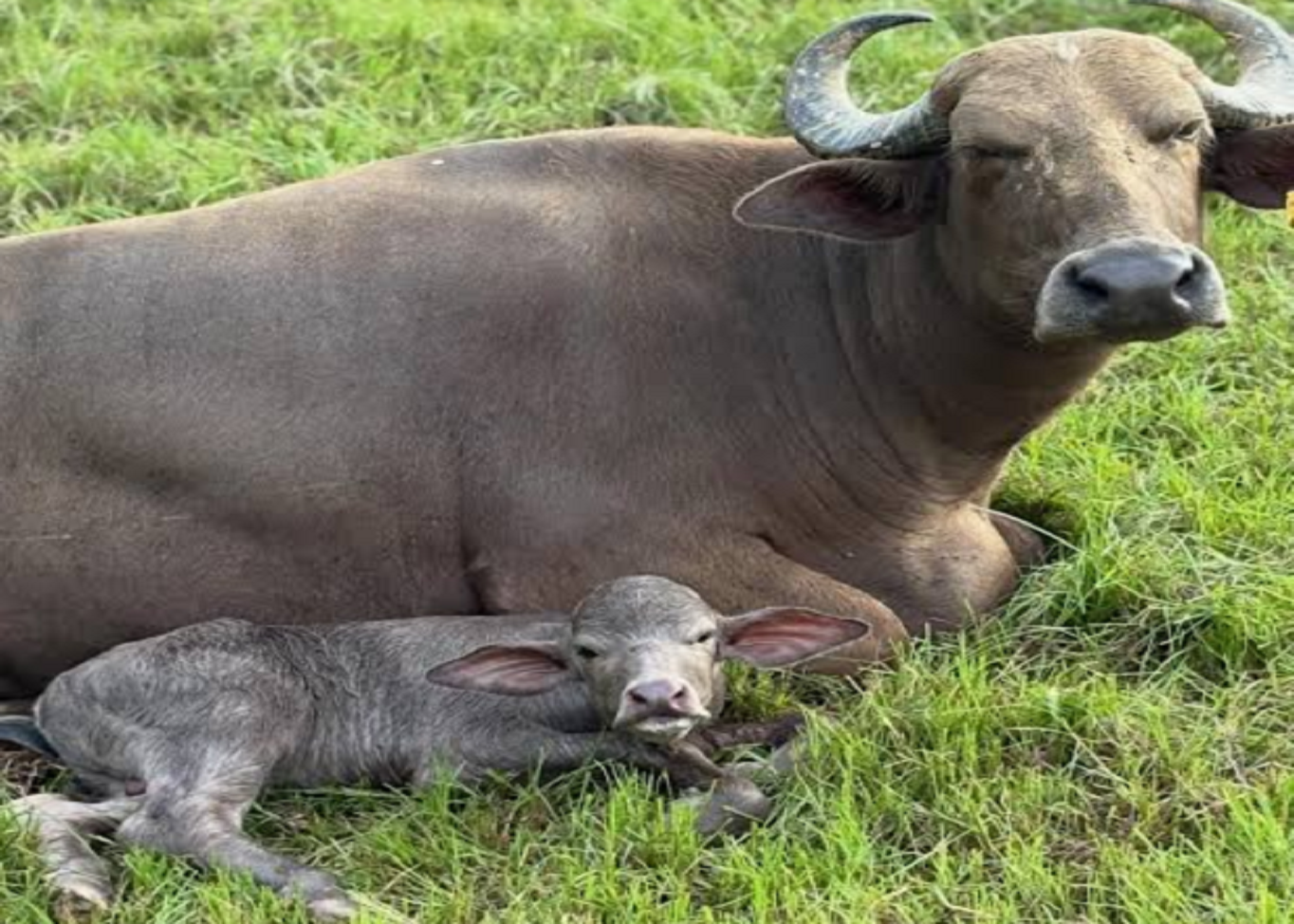
Recognising Urinary Bladder Rupture in Buffalo Calves with Obstructive Urolithiasis
A buffalo calf presenting with abdominal distension, anorexia and repeated attempts to urinate may h...