Article
The Invisible Killers: How Infection and Environment Drive Neonatal Mortality
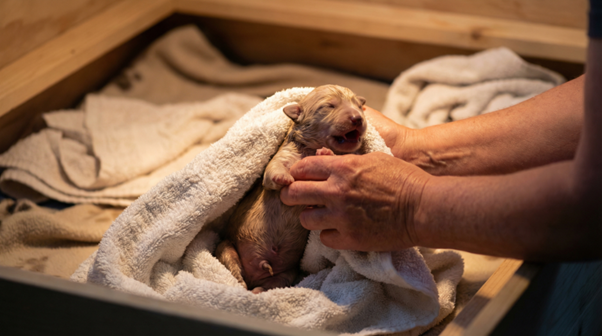
Even when pregnancy and parturition are successfully managed, neonatal survival can still be compromised by factors that are often underestimated, environment and infection. These “invisible killers” are responsible for a significant proportion of neonatal losses in kennels and catteries, yet they are largely preventable with proper management1,2. Environmental errors alone have been linked to substantial mortality rates, highlighting the importance of controlled and hygienic conditions.
Neonatal Infections: A Leading Cause of Early Death
Infectious diseases play a major role in neonatal mortality, particularly during the first few weeks of life. Bacterial infections are especially prevalent, affecting up to 34% of puppies and contributing to a large proportion of deaths. Sepsis, in particular, is recognized as the leading cause of mortality during the first three weeks1,3.
The progression of neonatal sepsis is often rapid and severe. Early mortality in infected neonates can reach up to 69% within the first two days of life1. This emphasizes the need for immediate recognition and intervention, as delays can quickly lead to fatal outcomes.
Why Neonates Are Highly Susceptible
The susceptibility of neonates to infection is primarily due to their immature immune system and reliance on passive immunity. Inadequate colostrum intake further increases this vulnerability, leaving neonates exposed to a wide range of bacterial, viral, and parasitic pathogens1,4.
Additionally, infections may originate from multiple sources, including the uterus, maternal secretions, contaminated environments, and contact with other animals. In many cases, the dam may not show clinical signs, yet still act as a source of infection, making preventive screening and hygiene even more critical.
Clinical Approach to Neonatal Sepsis
Neonatal sepsis can progress rapidly and has a high mortality rate if not treated promptly. Diagnosis typically involves hematological evaluation and bacterial culture, although clinical suspicion often guides early intervention.
Treatment requires the use of broad-spectrum antibiotics that are safe for neonates, with penicillins and cephalosporins commonly recommended. However, supportive care, including fluid therapy, thermal support, and nutritional management, is equally important in improving survival outcomes1.
Parasitic and Viral Threats: Often Overlooked Contributors
Parasitic infections are highly prevalent in breeding environments, affecting up to 60% of kennels and catteries. Many neonates are exposed early in life through environmental contamination or maternal transmission. These infections can lead to a wide range of clinical signs, including diarrhea, dehydration, anemia, and in severe cases, intestinal obstruction and death1.
Viral infections, although more common after weaning, can also affect neonates, particularly in cases of poor colostrum intake or maternal infection. These infections may result in abortion, stillbirth, or the birth of weak neonates that fail to thrive1.
Environmental Management: The Most Underestimated Factor
Environmental conditions play a crucial role in neonatal health. Inadequate temperature control, poor hygiene, and stressful surroundings can significantly increase mortality rates. Hypothermia alone is responsible for losses in approximately 28% of kennels1.
Neonates are unable to regulate their body temperature effectively, making them highly dependent on external heat sources and maternal warmth. Incorrect environmental temperatures can lead to reduced suckling, impaired digestion, and increased susceptibility to infections.
Hygiene and Infection Control
Proper sanitation is fundamental in preventing neonatal infections. The use of appropriate cleaning and disinfection protocols reduces environmental pathogen load, minimizing the risk of disease transmission. However, care must be taken to avoid harsh chemicals that may be toxic to neonates due to their increased skin permeability1.
Maintaining clean, dry bedding and regularly disinfecting the environment are essential practices. In addition, monitoring humidity levels is important, as excessive humidity can promote bacterial growth, while low humidity can lead to dehydration and compromise neonatal health.
The Role of Breeder Education
A significant proportion of neonatal losses can be attributed to inadequate management practices. Breeders often fail to recognize early warning signs or maintain optimal environmental conditions1.
Veterinarians must therefore take an active role in educating breeders, emphasizing the importance of monitoring neonatal behavior, weight gain, and environmental parameters. Training breeders to identify subtle clinical changes and respond promptly can significantly reduce mortality rates.
Conclusion
Neonatal survival extends beyond medical intervention, it is deeply influenced by environmental management and infection control. By addressing these often-overlooked factors, veterinarians can significantly reduce mortality rates. Preventive strategies, combined with early recognition and prompt treatment, offer the most effective approach to improving neonatal outcomes in small animal practice.
References
- Pereira KH, Fuchs KD, Corrêa JV, Chiacchio SB, Lourenço ML. Neonatology: topics on puppies and kittens neonatal management to improve neonatal outcome. Animals. 2022 Dec 5;12(23):3426. https://doi.org/10.3390/ani12233426
- Münnich A. Fading kitten syndrome: factors predisposing to ‘faders’ and treatment options. Journal of feline medicine and surgery. 2022 Mar;24(3):243-56. https://journals.sagepub.com/doi/pdf/10.1177/1098612X221079710
- Veronesi MC, Fusi J. Feline neonatology: From birth to commencement of weaning–what to know for successful management. Journal of feline medicine and surgery. 2022 Mar;24(3):232-42. https://journals.sagepub.com/doi/pdf/10.1177/JFMA_24_3#page=34
- Rossi L, Lumbreras AE, Vagni S, Dell’Anno M, Bontempo V. Nutritional and functional properties of colostrum in puppies and kittens. Animals. 2021 Nov 15;11(11):3260. https://www.mdpi.com/2076-2615/11/11/3260
Related Contents
.jpg)
Video
Transjugular Removal of Canine Heartworms: A Clinical and Surgical Overview
Transjugular removal of canine heartworms is a specialized intervention used in selected dogs with s...

Article
Feline Pregnancy Endocrinology: Hormonal Changes and Placental Function
Pregnancy in cats involves a distinctive endocrine pattern in which ovarian and placental hormones w...

Article
Hormonal Control of Pregnancy Termination in Cats
Pregnancy maintenance in cats depends strongly on coordinated hormonal support, particularly progest...
Article
Feline Embryo Implantation and Early Placental Development
Pregnancy establishment in cats involves a sequence of precisely timed events between fertilization,...
Article
Ultrasonographic Monitoring of Pregnancy in Cats: A Gestational Timeline
Ultrasonography provides a practical way to follow the progression of feline pregnancy by identifyin...

Article
Feline Mismating: Pregnancy Diagnosis and Clinical Management
Mismating or unplanned mating is a common clinical problem in sexually mature queen cats because of...
Article
Medical Termination of Pregnancy in Queens: Drugs, Timing and Treatment Protocols
Medical termination of pregnancy (MTP) in queen cats should be approached according to the timing of...

Article
Safety and Aftercare Following Pregnancy Termination in Queen Cats
Pregnancy termination in queen cats requires more than selecting an appropriate abortifacient. Once...