Video
Leptospirosis: Why Are We Still Missing Cases?
Leptospirosis remains one of the most important yet frequently overlooked zoonotic diseases, affecting a wide range of animal species and posing a serious public health risk. Delayed diagnosis, non-specific clinical signs, and limitations of diagnostic testing often lead to missed or late detection. This webinar explores the reasons behind underdiagnosis and discusses practical strategies for improving clinical recognition, sample selection, laboratory diagnosis, and disease surveillance. Participants will gain insights into the role of PCR, serology, and other diagnostic methods, along with preventive measures and One Health approaches to disease control. Designed for veterinary students, interns, diagnosticians, field veterinarians, and public health professionals, this session emphasizes practical diagnostic decision-making and timely intervention.
Download the attached recent research paper to explore current diagnostic strategies for improving leptospirosis detection in veterinary practice.
https://doi.org/10.3390/microorganisms13030667
Related Contents
_Resize_2.jpg)
Upcoming Event
Leptospirosis in Animals: Diagnosis and Zoonotic Prevention
Leptospirosis can cause significant illness in animals and pose a zoonotic risk to humans. Explore c...

Article
Sudden Death in Cattle: A Practical Differential Diagnosis
A cow is found dead during the morning inspection. There were no obvious warning signs the previous...

Article
Caudal Vena Cava Thrombosis in Cattle: Recognising a Fatal Complication of Liver Abscessation
A cow may appear completely healthy until sudden respiratory distress, haemoptysis or death occurs....

Article
Sudden Death in Sheep: Key Differential Diagnoses for the Veterinarian
A sheep found dead on pasture may leave little warning. One animal may have been affected by a rapid...

Article
Sudden Death in Goats: Recognising Peracute Infectious and Metabolic Causes
A goat found dead with little or no warning can leave very few clinical clues. In these cases, the p...
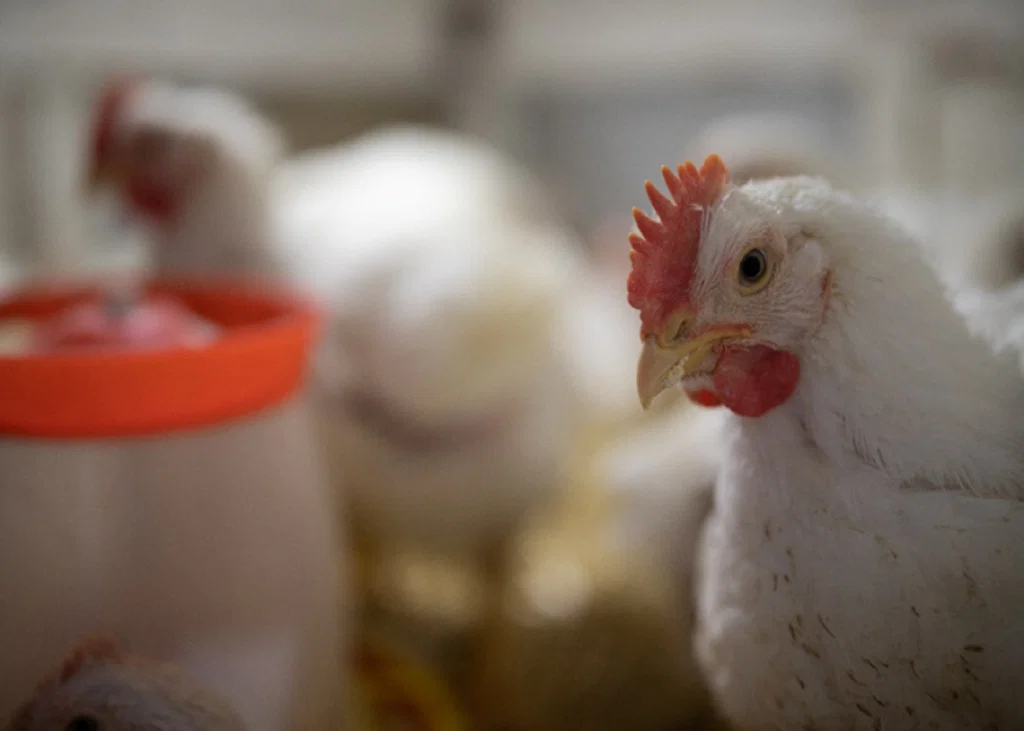
Article
Necrotic Enteritis in Broilers: Identifying the Farm-Level Risk Factors
A broiler flock showing wet litter, poor performance or rising mortality may have several problems o...
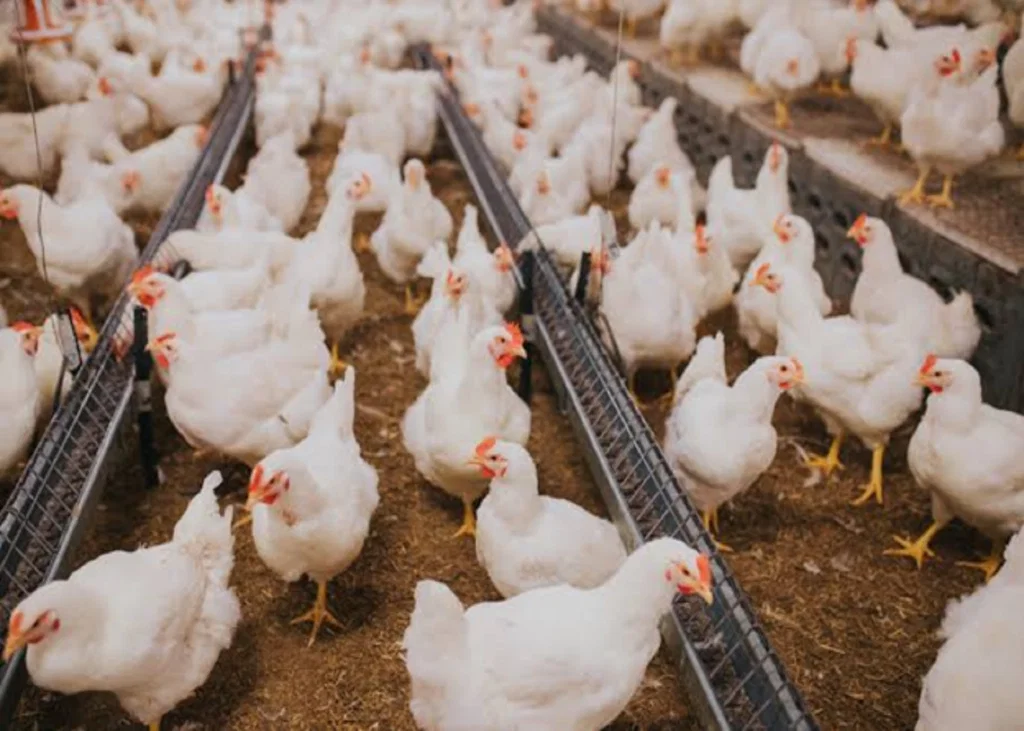
Article
Necrotic Enteritis in Broilers: Linking Intestinal Lesions with Laboratory Diagnosis
A broiler may arrive for postmortem examination with a distended, fragile small intestine covered by...
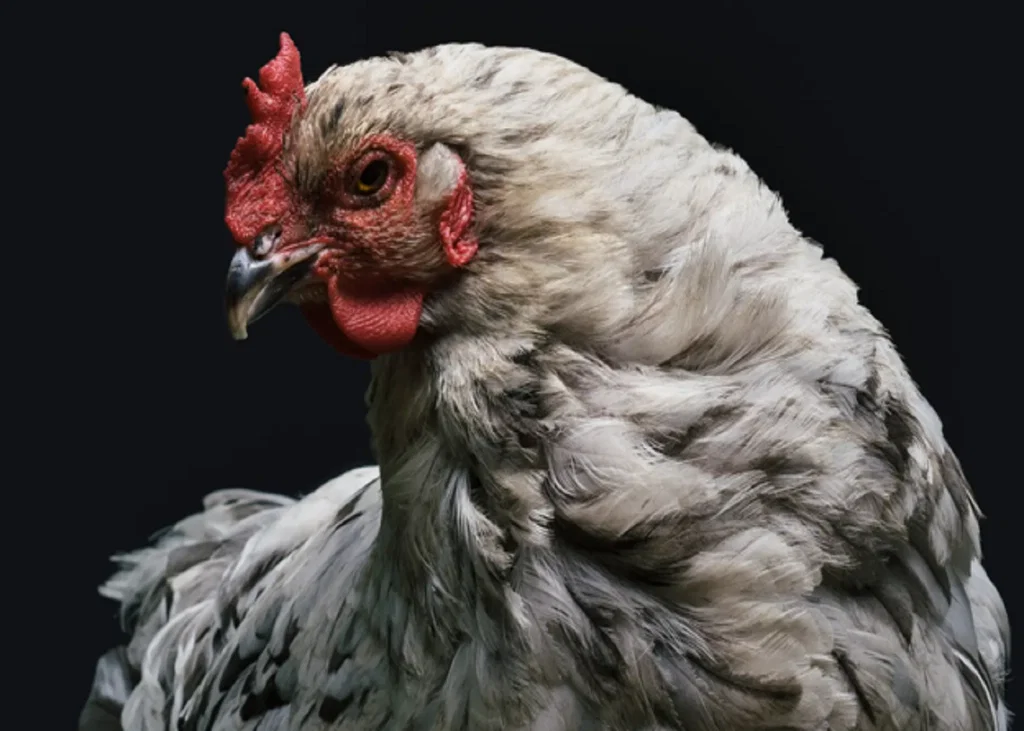
Article
Controlling Necrotic Enteritis Without Antibiotic Growth Promoters: What Can Feed-Based Strategies Offer?
When antibiotic growth promoters are no longer the main option for controlling necrotic enteritis (N...