Article
Medical Management of Large Colon Displacements: Can Surgery Be Avoided?
Large colon displacements are among the most frequently encountered causes of equine colic. While some cases ultimately require surgical intervention, many horses can be successfully managed medically when identified early and monitored closely. Understanding the available treatment options can help veterinarians stabilise patients, restore gastrointestinal function, and potentially avoid surgery.
Starting with Stabilisation
The initial approach to large colon displacement is largely similar regardless of the exact location of the displaced colon. Horses that are haemodynamically stable are typically withheld from feed and started on fluid therapy to correct dehydration and soften impacted intestinal contents when present1.
Fluid administration may be provided orally or intravenously. Oral fluids are often preferred because they directly hydrate ingesta within the gastrointestinal tract and are more cost-effective than intravenous therapy. However, oral fluids should be avoided in horses with severe dehydration or significant gastric reflux, particularly when reflux exceeds 2 litres every two hours1.
Managing Pain and Restoring Motility
Medical treatment extends beyond fluid replacement. Most horses benefit from a combination of:
- Non-steroidal anti-inflammatory drugs (NSAIDs)
- Antispasmodic medications
- Low-dose sedation when required¹
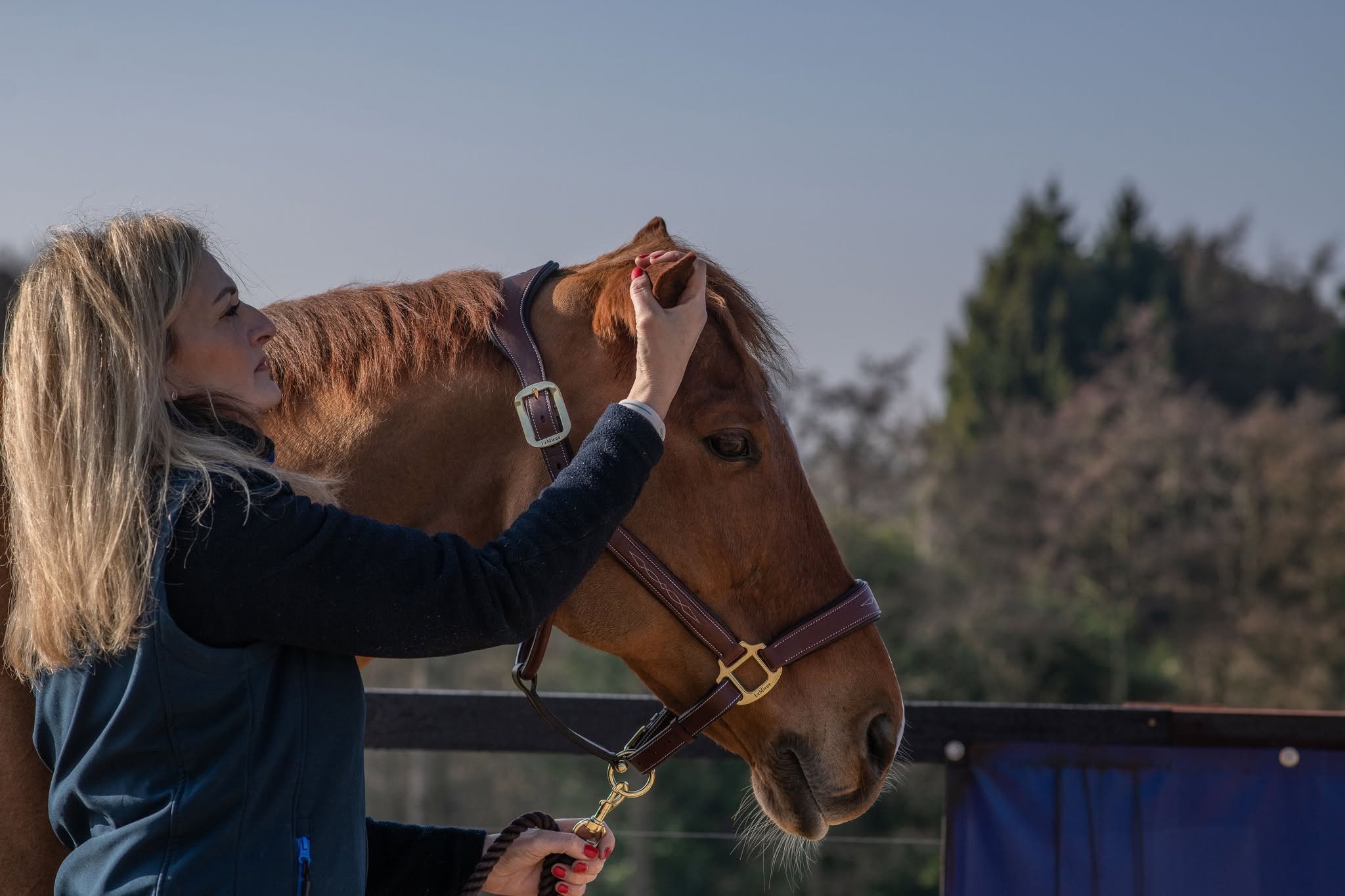
Controlled exercise is also commonly incorporated into treatment plans. Light jogging for 10–20 minutes several times daily may stimulate gastrointestinal motility and encourage the displaced colon to return to its normal anatomical position1.
Phenylephrine and Nephrosplenic Entrapment
For horses with left dorsal displacement (nephrosplenic entrapment), phenylephrine administration is often combined with exercise. Phenylephrine is an α₁-adrenergic agonist that causes splenic contraction, temporarily reducing splenic size by up to 28% and theoretically creating space for the entrapped colon to reposition itself1,10.
The recommended dosage is 0.04 mg/kg administered intravenously over 15 minutes. However, splenic contraction persists for only about 25 minutes following administration1.
Despite widespread use, evidence supporting its effectiveness remains uncertain. A recent study reported a 96.5% survival rate in horses treated conservatively with fluids, analgesics, and antispasmodics, despite only a small proportion receiving phenylephrine1,3. These findings raise questions regarding the true contribution of the drug to successful resolution.
Weighing the Risks of Phenylephrine
Phenylephrine is not without risk. Reported adverse effects include:
- Hypertension
- Bradycardia
- Bradyarrhythmias
- Second-degree heart block
- Increased pulmonary artery and right atrial pressures
- Reduced cardiac output
Particular caution is advised in horses older than 15 years, where severe and even fatal thoracic or abdominal haemorrhage has been documented1,4.
Rolling Under General Anaesthesia
Another non-surgical option for nephrosplenic entrapment is rolling under general anaesthesia. This technique involves placing the horse in right lateral recumbency, rolling through dorsal recumbency into left lateral recumbency, and then back again while monitoring correction of the displacement5.
Some clinicians prefer elevating the hind limbs while the horse is in dorsal recumbency to facilitate movement of abdominal contents and improve the likelihood of successful reduction5.
Although less costly than surgery, rolling carries anaesthetic risks and should ideally be performed only when surgical facilities are immediately available if complications arise. Studies have also suggested that combining phenylephrine with rolling does not significantly improve outcomes1.
Trocarization: Relieving Dangerous Gas Distension
In horses with significant gaseous distension of the colon or caecum, trocarization may provide valuable decompression.
By reducing intraluminal pressure, decompression can improve blood flow to abdominal organs and create space for spontaneous correction of the displacement.
Ultrasound guidance is strongly recommended to identify the gas-filled viscus and avoid damage to adjacent structures such as major blood vessels or the spleen. Potential complications include haemorrhage, peritonitis, and local infection, making close post-procedure monitoring essential1.
Monitoring for Treatment Success
Horses responding to conservative therapy generally require only minimal sedation and demonstrate progressive improvement in comfort and abdominal distension. Repeated sedation requirements, worsening pain, or persistent gastrointestinal dysfunction should prompt reassessment of the treatment plan1.
Clinical Takeaway
Many large colon displacements can be successfully resolved through conservative management. Fluid therapy, pain control, exercise, and selected procedures such as rolling or trocarization remain valuable tools in the veterinarian’s arsenal. Careful patient selection and close monitoring are essential to determine when medical management is sufficient and when more aggressive intervention may be required.
References
- Munsterman A. Lefts and rights: Medical management of colonic displacements. Dvm360storage. com. 2025. https://www.mmhimages.com/
- Cherdchutham W, Sukhong P, Sae-Oueng K, Supanwinijkul N, Wiangnak K, Srimuang J, Apichaimongkonkun T, Limratchapong S, Petchdee S. Effects of xylazine and adrenaline combinations: Preliminary clinical application for non-surgical protocols of nephrosplenic entrapment in horses. Veterinary World. 2021 Dec 28;14(12):3188. https://pmc.ncbi.nlm.nih.gov/articles/PMC8829408/pdf/Vetworld-14-3188.pdf
- Lindegaard C, Ekstrøm CT, Wulf SB, Vendelbo JM, Andersen PH. Nephrosplenic entrapment of the large colon in 142 horses (2000–2009): analysis of factors associated with decision of treatment and short‐term survival. Equine veterinary journal. 2011 Aug;43:63-8. https://doi.org/10.1111/j.2042-3306.2011.00376.x
- Frederick J, Giguère S, Butterworth K, Pellegrini-Masini A, Casas-Dolz R, Turpin MM. Severe phenylephrine-associated hemorrhage in five aged horses. Journal of the American Veterinary Medical Association. 2010 Oct 1;237(7):830-4. https://avmajournals.avma.org/view/journals/javma/237/7/javma.237.7.830.xml
- Fultz LE, Peloso JG, Giguère S, Adams AR. Comparison of phenylephrine administration and exercise versus phenylephrine administration and a rolling procedure for the correction of nephrosplenic entrapment of the large colon in horses: 88 cases (2004–2010). Journal of the American Veterinary Medical Association. 2013 Apr 15;242(8):1146-51. https://doi.org/10.2460/javma.242.8.1146
Related Contents
Upcoming Event
African Swine Fever: Diagnosis and Management
African swine fever can cause severe disease and significant losses in affected pig populations.&nbs...
.jpg)
Video
Transjugular Removal of Canine Heartworms: A Clinical and Surgical Overview
Transjugular removal of canine heartworms is a specialized intervention used in selected dogs with s...
Article
Feline Pregnancy Endocrinology: Hormonal Changes and Placental Function
Pregnancy in cats involves a distinctive endocrine pattern in which ovarian and placental hormones w...
Article
Hormonal Control of Pregnancy Termination in Cats
Pregnancy maintenance in cats depends strongly on coordinated hormonal support, particularly progest...
Article
Feline Embryo Implantation and Early Placental Development
Pregnancy establishment in cats involves a sequence of precisely timed events between fertilization,...
Article
Ultrasonographic Monitoring of Pregnancy in Cats: A Gestational Timeline
Ultrasonography provides a practical way to follow the progression of feline pregnancy by identifyin...
Article
Feline Mismating: Pregnancy Diagnosis and Clinical Management
Mismating or unplanned mating is a common clinical problem in sexually mature queen cats because of...
Article
Medical Termination of Pregnancy in Queens: Drugs, Timing and Treatment Protocols
Medical termination of pregnancy (MTP) in queen cats should be approached according to the timing of...