Article
Feline Chronic Gingivostomatitis and Its Association With FCV
A cat with severe, persistent oral inflammation may have more than gingivitis. In feline chronic gingivostomatitis (FCGS), the distribution of inflammation is an important clinical distinction: the inflammatory process extends beyond the mucogingival junction into the alveolar mucosa or other oral soft tissues. Severe gingivitis alone does not meet this description.
The frequent detection of feline calicivirus (FCV) in affected cats has raised an important clinical question: Is FCV driving the chronic disease, or is its presence reflecting another underlying process?
FCV is Detected More Often in FCGS
FCV has been detected more frequently in cats with FCGS than in comparison groups. Reported detection rates include 54% versus 24%, 40% versus 0%, and 59% versus 15% in cats evaluated in Spain. Increased FCV detection in FCGS has also been reported in Japan[1],[2],[3],[4].
These findings support an association between FCV and FCGS. They do not, however, establish that FCV alone is responsible for the chronic oral inflammation.
A Positive FCV Result Does Not Explain Disease Severity
One important finding is that the amount of FCV RNA detected does not appear to correlate with the severity of FCGS[5].
This matters when interpreting FCV detection in a cat with extensive oral inflammation. A higher viral RNA load should not automatically be taken as evidence that FCV is responsible for more severe disease.
There are also findings that complicate a straightforward virus-driven explanation. In one group of 26 cats with FCGS, FCV antigen was not detected by immunohistochemistry[6].
So, although FCV is detected more frequently in affected cats, the available findings do not support using FCV detection alone to explain the chronic inflammatory process.
Could the Immune Response Be the Bigger Factor?[4]
The proposed mechanism is that FCGS may involve an immune-mediated reaction to FCV or other oral antigens. Chronicity may therefore depend more on the host's immune response than on a particular FCV biotype.
This also helps explain why simply identifying FCV does not provide a complete explanation for an individual cat's clinical presentation.
Experimental attempts to reproduce FCGS using two FCGS-associated FCV isolates were unsuccessful. This further argues against assuming that a particular FCV strain alone is sufficient to produce chronic disease.
Keep the Diagnosis Clinically Focused[4]
For the practitioner, the key distinction is between the FCV association and proven causation. FCV may be detected in cats with FCGS, but the available evidence does not establish that FCV is the sole driver of chronic oral inflammation.
The extent and distribution of oral inflammation remain central to recognising FCGS. FCV detection can provide useful clinical context, but viral detection should not be used by itself to determine disease severity or explain the entire syndrome.
FCV has also not been implicated in feline oral resorptive lesions (FORLs).
Clinical Bottom Line
FCV is frequently detected in cats with FCGS, but association does not equal causation. Viral RNA load has not been linked to disease severity, and FCV antigen was absent in one immunohistochemical evaluation. Current evidence points toward a potentially important host immune response to FCV or other oral antigens, with chronicity likely influenced more by host response than by a specific FCV biotype.
References:
- Dowers KL, Hawley JR, Brewer MM, Morris AK, Radecki SV, Lappin MR. Association of Bartonella species, feline calicivirus, and feline herpesvirus 1 infection with gingivostomatitis in cats. https://journals.sagepub.com/doi/pdf/10.1016/j.jfms.2009.10.007
- Fernandez M, Manzanilla EG, Lloret A, León M, Thibault JC. Prevalence of feline herpesvirus-1, feline calicivirus, Chlamydophila felis and Mycoplasma felis DNA and associated risk factors in cats in Spain with upper respiratory tract disease, conjunctivitis and/or gingivostomatitis. Journal of feline medicine and surgery. 2017 Apr;19(4):461-9. https://journals.sagepub.com/doi/pdf/10.1177/1098612X16634387
- Nakanishi H, Furuya M, Soma T, Hayashiuchi Y, Yoshiuchi R, Matsubayashi M, Tani H, Sasai K. Prevalence of microorganisms associated with feline gingivostomatitis. Journal of feline medicine and surgery. 2019 Feb;21(2):103-8. https://journals.sagepub.com/doi/pdf/10.1177/1098612X18761274
- Hofmann-Lehmann R, Hosie MJ, Hartmann K, Egberink H, Truyen U, Tasker S, Belák S, Boucraut-Baralon C, Frymus T, Lloret A, Marsilio F. Calicivirus infection in cats. Viruses. 2022 Apr 29;14(5):937. https://www.mdpi.com/1999-4915/14/5/937
- Druet I, Hennet P. Relationship between feline calicivirus load, oral lesions, and outcome in feline chronic gingivostomatitis (caudal stomatitis): retrospective study in 104 cats. Frontiers in veterinary science. 2017 Dec 5;4:209. https://www.frontiersin.org/journals/veterinary-science/articles/10.3389/fvets.2017.00209/pdf
- Rolim VM, Pavarini SP, Campos FS, Pignone V, Faraco C, Muccillo MD, Roehe PM, da Costa FV, Driemeier D. Clinical, pathological, immunohistochemical and molecular characterization of feline chronic gingivostomatitis. Journal of Feline Medicine and Surgery. 2017 Apr;19(4):403-9. https://journals.sagepub.com/doi/pdf/10.1177/1098612X16628578
Related Contents
.jpg)
Upcoming Event
Emerging Zoonotic Diseases: Early Detection in Veterinary Practice
Unusual clinical presentations and unexpected disease clusters may signal an emerging zoonotic threa...
Article
FCV-Associated Acute Oral and Upper Respiratory Disease in Cats
A kitten with fever, sneezing and reduced appetite may look like it has an uncomplicated upper respi...
Article
FCV-Associated Limping Syndrome in Cats: Recognising Acute Shifting Lameness
A cat that suddenly becomes lame in one limb and then appears painful in another can present a diagn...
Article
Virulent Systemic Feline Calicivirus: Recognising and Investigating a High-Mortality Outbreak
A cluster of cats with fever, depression and severe respiratory disease demands a different level of...

Article
FCV Transmission and Persistence in Multicat Environments
A cat may recover from the obvious signs of feline calicivirus (FCV) infection and still remain rele...
Article
Diagnosing Feline Calicivirus: Interpreting RT-PCR, Sampling and Virus Isolation
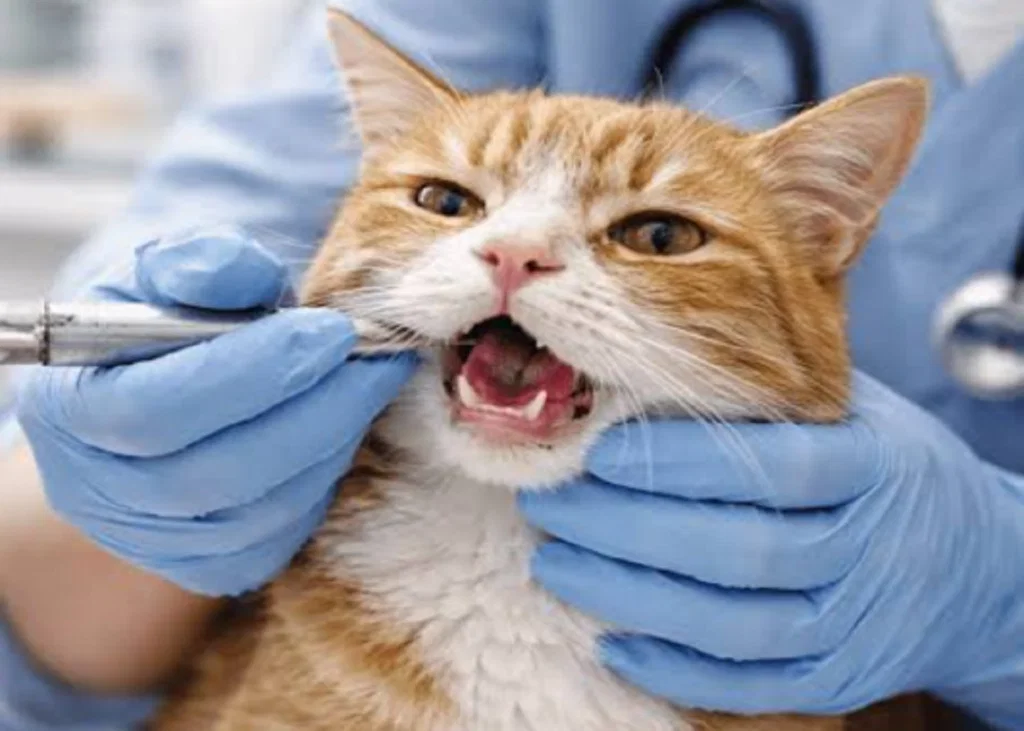
A positive feline calicivirus test does not always mean FCV is responsible for a cat’s clinica...
Article
Supportive Management of Acute Feline Calicivirus Infection
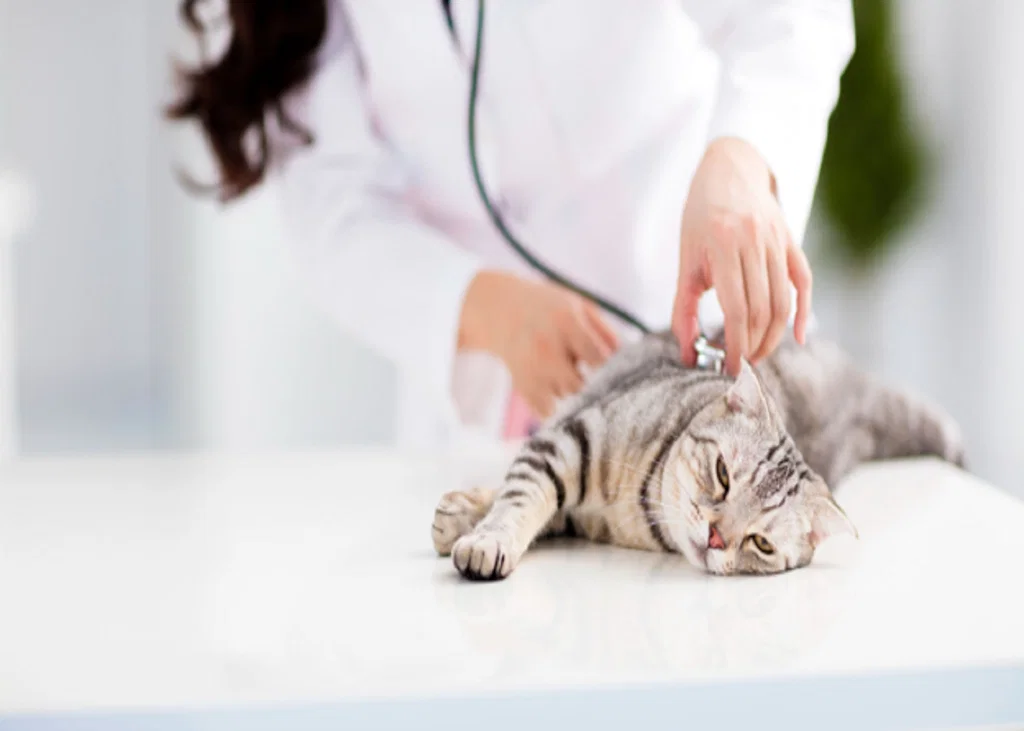
For many cats with acute feline calicivirus (FCV) infection, treatment is largely supportive. The pr...
Article
Managing FCV-Associated FCGS: Treatment Options and Clinical Decisions
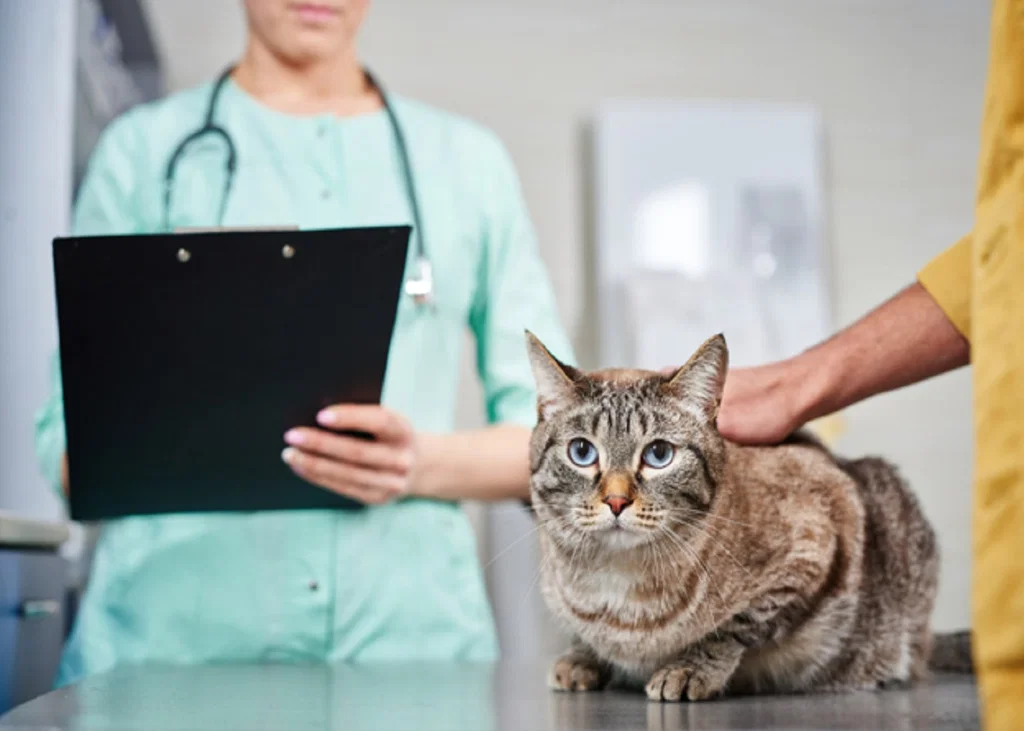
Once feline chronic gingivostomatitis (FCGS) is established, management can become challenging, part...