_Resize_2.jpg)
Upcoming Event
Leptospirosis in Animals: Diagnosis and Zoonotic Prevention
Leptospirosis can cause significant illness in animals and pose a zoonotic risk to humans. Explore clinical recognition, diagnostic testing, treatment considerations, and practical measures to reduce transmission in veterinary settings and animal environments.
Related Contents
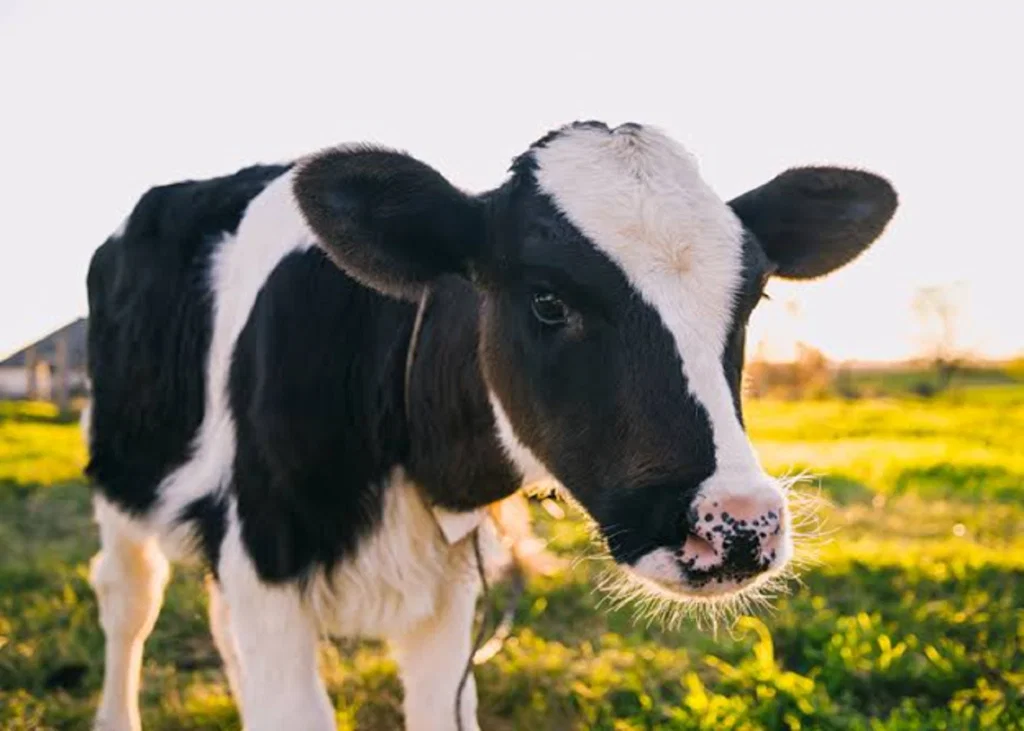
Article
Sudden Death in Cattle: A Practical Differential Diagnosis
A cow is found dead during the morning inspection. There were no obvious warning signs the previous...
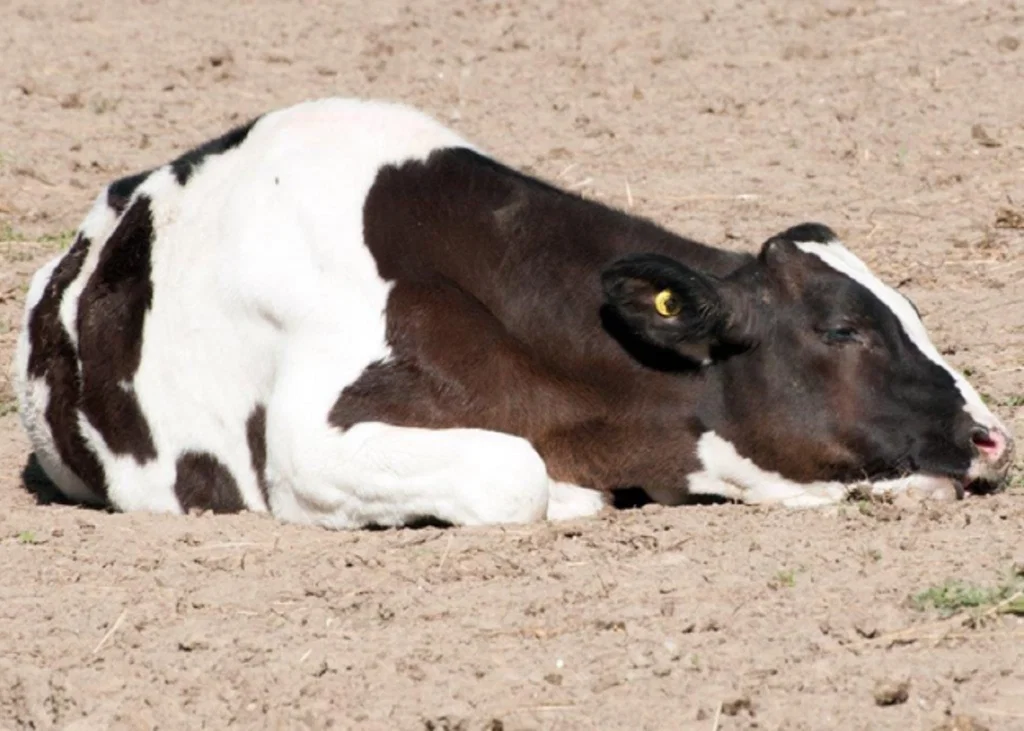
Article
Caudal Vena Cava Thrombosis in Cattle: Recognising a Fatal Complication of Liver Abscessation
A cow may appear completely healthy until sudden respiratory distress, haemoptysis or death occurs....
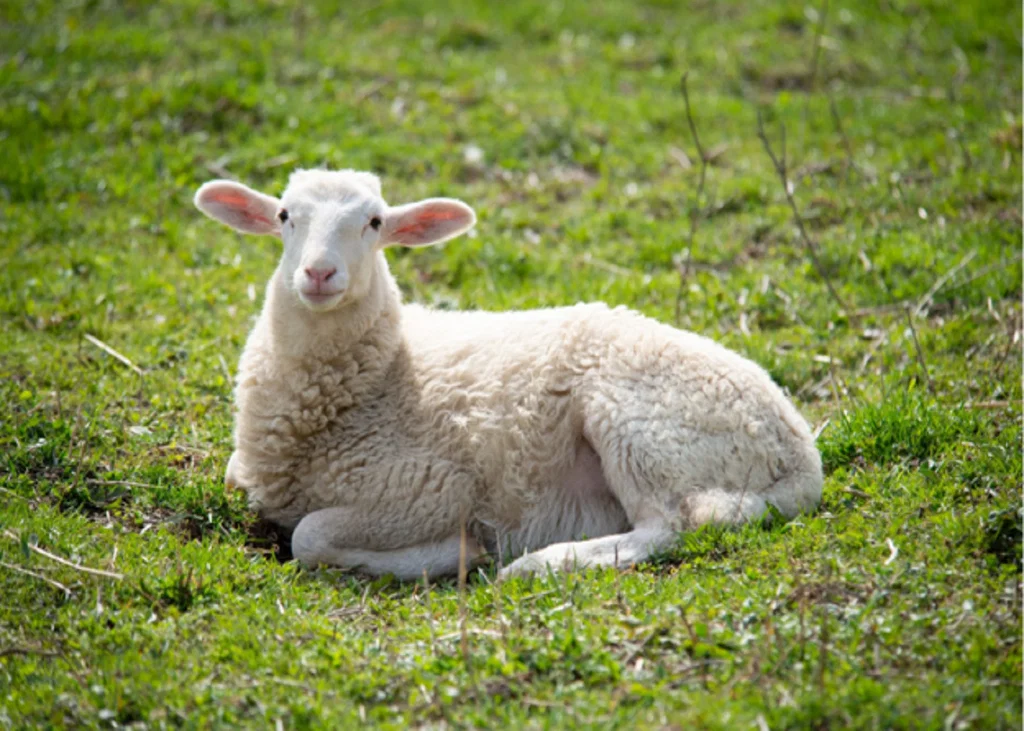
Article
Sudden Death in Sheep: Key Differential Diagnoses for the Veterinarian
A sheep found dead on pasture may leave little warning. One animal may have been affected by a rapid...
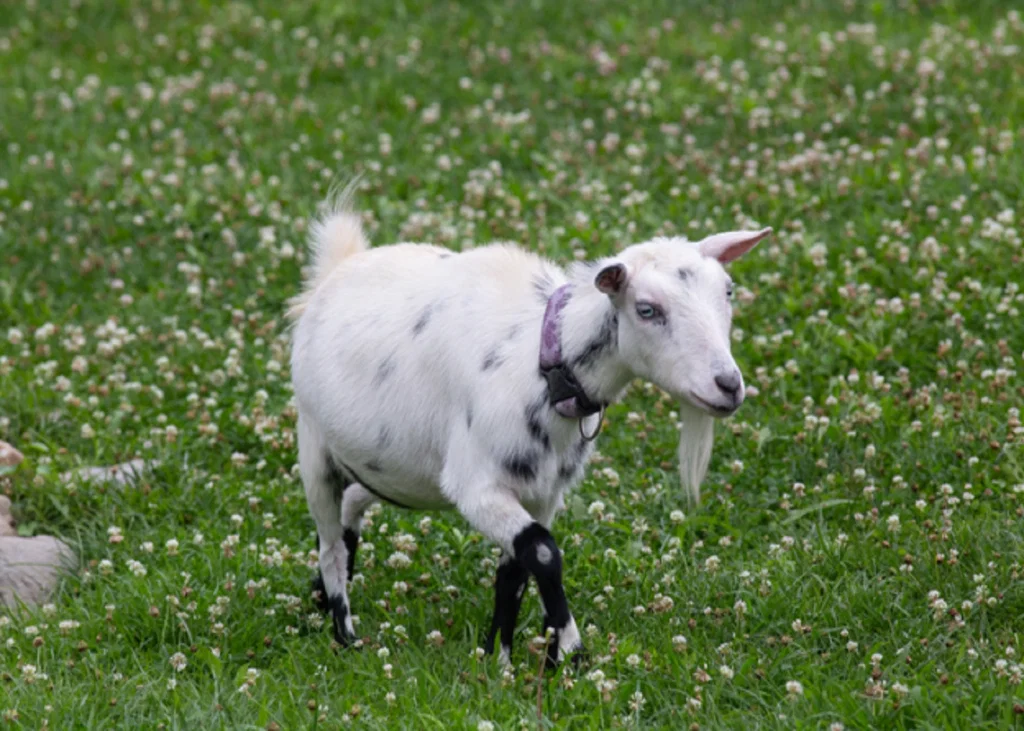
Article
Sudden Death in Goats: Recognising Peracute Infectious and Metabolic Causes
A goat found dead with little or no warning can leave very few clinical clues. In these cases, the p...
Article
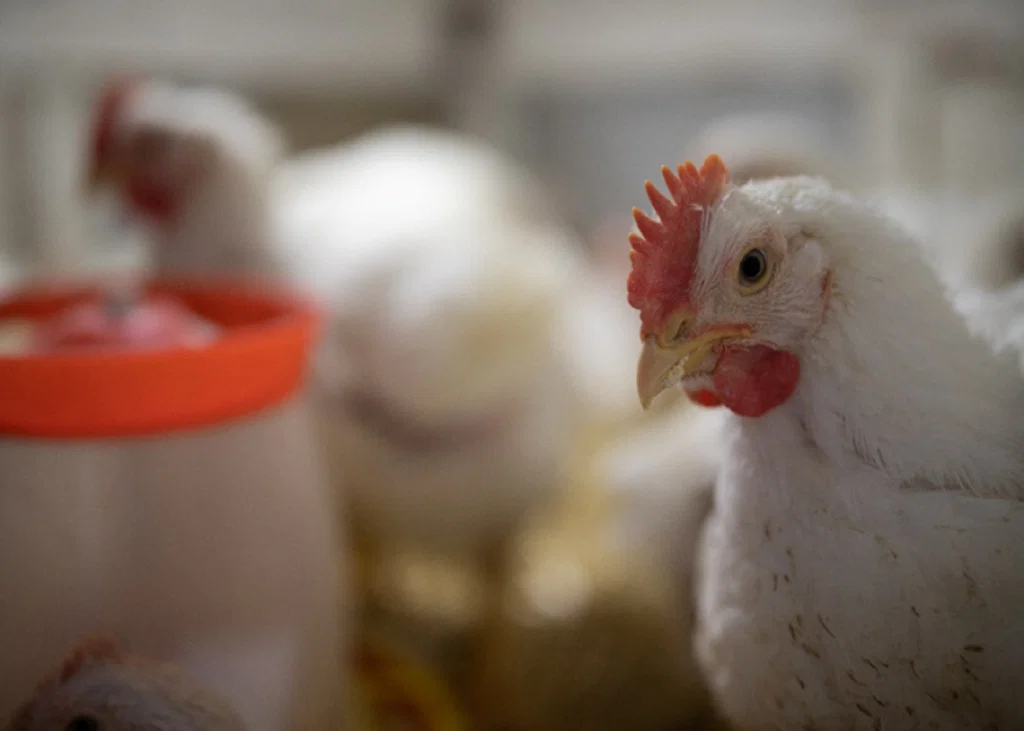
Necrotic Enteritis in Broilers: Identifying the Farm-Level Risk Factors
A broiler flock showing wet litter, poor performance or rising mortality may have several problems o...
Article
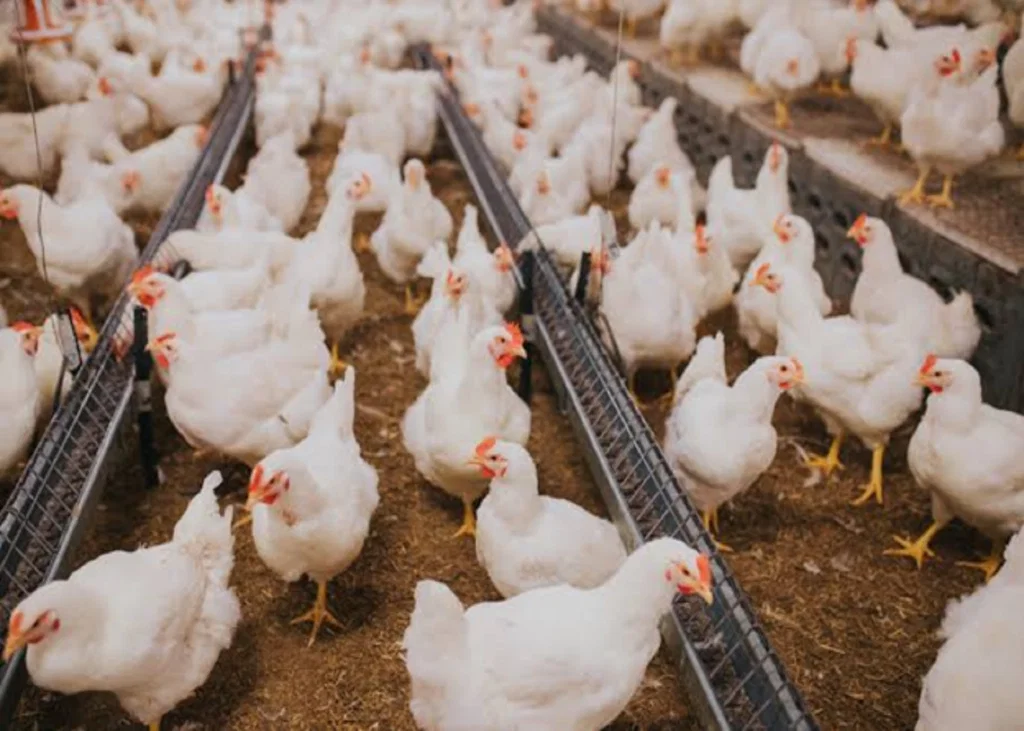
Necrotic Enteritis in Broilers: Linking Intestinal Lesions with Laboratory Diagnosis
A broiler may arrive for postmortem examination with a distended, fragile small intestine covered by...
Article
Controlling Necrotic Enteritis Without Antibiotic Growth Promoters: What Can Feed-Based Strategies Offer?
When antibiotic growth promoters are no longer the main option for controlling necrotic enteritis (N...
Article
Necrotic Enteritis and Antimicrobial Resistance: Implications for Poultry and Food Safety
When a broiler flock develops necrotic enteritis (NE), antimicrobial treatment may appear to be the...