Article
Downer Cow Syndrome and Postpartum Metabolic Disease in Dairy Cattle—Practical Field Approach
Most metabolic diseases in dairy cattle cluster within the periparturient period, when rapid physiological adaptation to lactation creates abrupt shifts in calcium, phosphorus, potassium, and energy metabolism. This highly dynamic phase predisposes cows to systemic metabolic instability and overlapping disease conditions⁴. Even subtle disruptions during this window can significantly affect mobility, feed intake, and recovery outcomes.
Common metabolic disorders
Milk fever, ketosis, retained placenta, and downer cow syndrome frequently present together in transition cows. Rather than isolated entities, these conditions often reflect a shared underlying disruption in metabolic homeostasis, particularly involving mineral imbalance and negative energy balance1,2,3,4. The coexistence of these disorders can complicate diagnosis and delay targeted therapy in field conditions.
Downer cow definition in practice
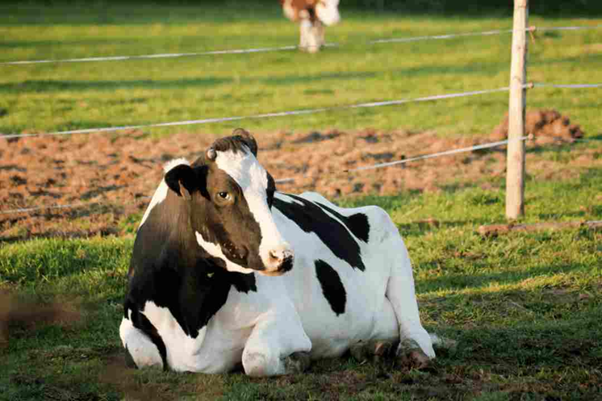
In field settings, cows that remain in sternal recumbency for more than 24 hours but remain alert and responsive should be classified as downer cows and actively investigated for underlying metabolic causes. Particular attention should be given to phosphorus and potassium imbalances, especially when calcium status has already been corrected but the animal fails to rise. This subgroup often represents metabolically compromised cows requiring further diagnostic and therapeutic intervention2.
Pathophysiology relevant to treatment
Phosphorus plays a central role in cellular energy metabolism through ATP synthesis and is essential for maintaining muscle integrity and function. Potassium is critical for neuromuscular excitability, membrane potential maintenance, and coordinated muscular activity. Deficiency of either nutrient can result in generalized weakness, reduced mobility, and delayed recovery, while combined deficiencies can significantly exacerbate recumbency and impair response to standard therapy⁵˒⁷.
Treatment approach
Oral supplementation is preferred over intravenous therapy in field conditions due to its safety profile and more sustained physiological correction. Intravenous phosphate administration results in only short-lived improvement and is therefore not ideal for persistent postpartum deficiencies. In contrast, oral phosphate provides more prolonged and clinically meaningful correction²˒³. Similarly, oral potassium supplementation remains the standard field approach for hypokalemia due to safety concerns and the risk of serious cardiac complications associated with intravenous administration⁵.
Clinical insight
In cows that remain recumbent despite correction of hypocalcemia, further evaluation for concurrent hypophosphatemia and hypokalemia is strongly recommended. This is particularly important in animals with reduced appetite, ketosis, or other metabolic stressors, where combined electrolyte deficits are more likely to be present and clinically significant⁵˒⁷. Early identification of these imbalances can meaningfully improve responsiveness to therapy.
Prognosis
The prognosis for downer cows is variable and depends on duration of recumbency, severity of underlying metabolic disturbances, and timeliness of intervention. Evidence suggests that early correction of metabolic deficits, particularly phosphorus and potassium imbalance, is associated with improved recovery rates and overall survival outcomes⁶.
References (Article 2)
- Goselink R, Klop G, Dijkstra J, Bannink A. Phosphorus metabolism in dairy cattle: literature study on recent developments and gaps in knowledge. Wageningen UR. 2015. https://edepot.wur.nl/363222
- Verhoef W, Zuidhof S, Ross JA, Beaugrand K, Olson M. Evaluation of a novel dipotassium phosphate bolus for treatment of metabolic disorders in dairy cattle. Frontiers in Veterinary Science. 2023 Dec 8;10:1274183.https://www.frontiersin.org/journals/veterinary-science/articles/10.3389/fvets.2023.1274183/pdf
- Cohrs I, Grünberg W. Oral phosphate administration for rapid correction of hypophosphatemia in cattle. J Vet Intern Med. 2018;32:1253–8. https://doi.org/10.1111/jvim.15094
- Caixeta LS, Omontese BO. Monitoring and improving the metabolic health of dairy cows during the transition period. Animals. 2021;11:352. https://www.mdpi.com/2076-2615/11/2/352
- Wittek T, Müller AE, Wolf F, Schneider S. Oral potassium formulations for treatment of hypokalemia in dairy cows. J Vet Intern Med. 2019;33:1814–21. https://doi.org/10.1111/jvim.15521
- Puerto-Parada M, Bilodeau M, Francoz D, et al. Survival and prognostic indicators in downer dairy cows. J Vet Intern Med. 2021;35:2534–43. https://doi.org/10.1111/jvim.16249
- Plöntzke J, Berg M, Ehrig R, et al. Model-based exploration of hypokalemia in dairy cows. Sci Rep. 2022;12:19781. https://www.nature.com/articles/s41598-022-22596-0
Related Contents
.jpg)
Video
Transjugular Removal of Canine Heartworms: A Clinical and Surgical Overview
Transjugular removal of canine heartworms is a specialized intervention used in selected dogs with s...

Article
Feline Pregnancy Endocrinology: Hormonal Changes and Placental Function
Pregnancy in cats involves a distinctive endocrine pattern in which ovarian and placental hormones w...

Article
Hormonal Control of Pregnancy Termination in Cats
Pregnancy maintenance in cats depends strongly on coordinated hormonal support, particularly progest...

Article
Feline Embryo Implantation and Early Placental Development
Pregnancy establishment in cats involves a sequence of precisely timed events between fertilization,...

Article
Ultrasonographic Monitoring of Pregnancy in Cats: A Gestational Timeline
Ultrasonography provides a practical way to follow the progression of feline pregnancy by identifyin...

Article
Feline Mismating: Pregnancy Diagnosis and Clinical Management
Mismating or unplanned mating is a common clinical problem in sexually mature queen cats because of...

Article
Medical Termination of Pregnancy in Queens: Drugs, Timing and Treatment Protocols
Medical termination of pregnancy (MTP) in queen cats should be approached according to the timing of...

Article
Safety and Aftercare Following Pregnancy Termination in Queen Cats
Pregnancy termination in queen cats requires more than selecting an appropriate abortifacient. Once...