Article
Alternative Feed Additives for Coccidiosis Management: Integrating Gut Health Strategies Into Flock Programs
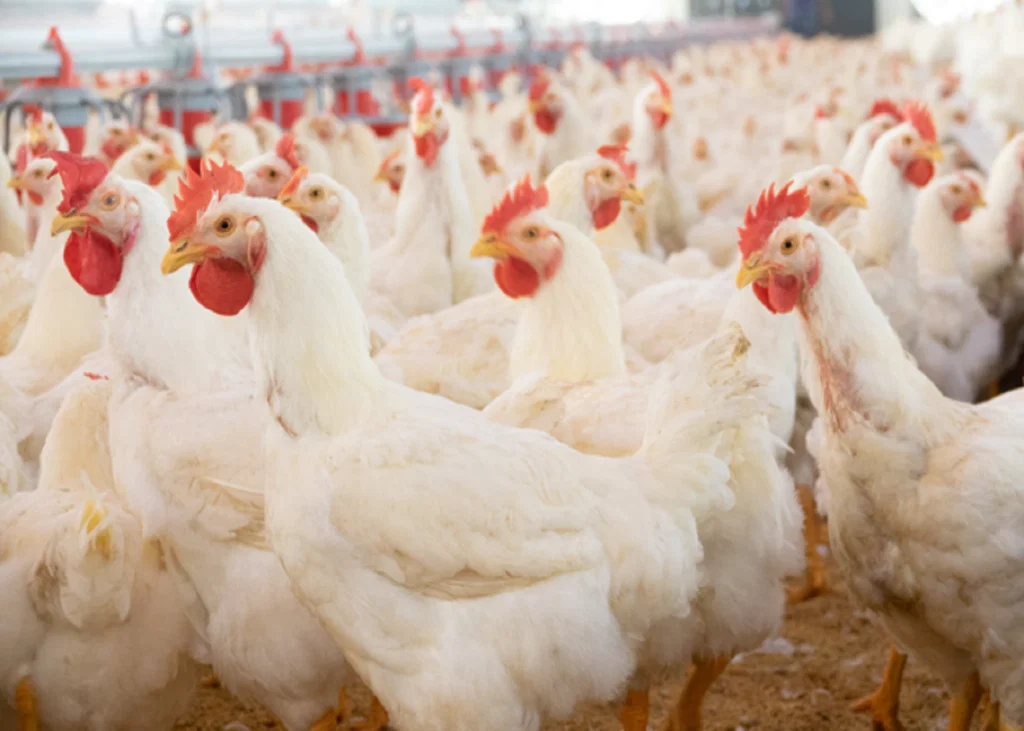
When a flock faces repeated enteric challenges, the practical question is not always whether to replace an anticoccidial program. It may be where complementary feed additives can fit within the existing coccidiosis management strategy.
Probiotics, prebiotics, postbiotics, phytogenics and antioxidants are increasingly used as part of broader gut-health programs. Their potential value lies in supporting several components of the Eimeria–microbiota–host interaction rather than relying on a single mode of action.
What Can These Additives Actually Do?
Coccidiosis involves more than parasite multiplication. Eimeria infection interacts with intestinal microbiota, intestinal function, and host immunity. This provides several potential targets for complementary interventions.
Different feed additives have demonstrated different effects, including:
- Reducing parasite numbers
- Influencing intestinal microbiota
- Supporting intestinal function
- Modulating oxidative stress
- Supporting protective immune responses
However, these categories should not be treated as interchangeable. Products within the same category can differ substantially in their selection criteria, growing conditions, processing, bioactive components, and combinations. Consequently, their modes of action and field performance can also vary[1],[2].
Why Does Product Selection Matter?[2]
Not every feed additive will perform in the same way across different flock conditions. Probiotics, prebiotics, postbiotics, phytogenics and antioxidants can differ in their effects, and results may vary between products within the same category.
Product selection should therefore be considered alongside the flock’s actual challenge, production goals and existing coccidiosis control program. An additive should not be selected simply because it belongs to a particular product category.
Where Can Alternatives Fit?[2]
Feed additives used for coccidiosis management may be incorporated in several ways:
- Independently
- Alongside an anticoccidial drug program
- With a coccidiosis vaccination program
- As part of a combination of management strategies
Programs may also differ between flocks or seasons. Strategies can change between summer and winter months depending on the company, location, and flock.
The choice of approach can therefore be adapted to the flock and its existing coccidiosis control program rather than relying on a single intervention.
Think Beyond a Single Trigger[2]
The impact of coccidiosis may be amplified when several stressors occur simultaneously. The interaction among Eimeria, intestinal microbiota and host responses can be influenced by multiple factors, creating what has been described as a “death by a thousand cuts” situation.
For the veterinarian, this means that feed additives should be considered as one component of a wider management strategy. Their usefulness depends on how their intended action fits the specific challenge and production objective.
Clinical Bottom Line
Alternative feed additives may provide useful complementary tools for coccidiosis management, but “alternative” does not mean universally effective or interchangeable. Probiotics, prebiotics, postbiotics, phytogenics and antioxidants differ in their biological actions and field performance. Selecting and combining them should therefore be based on the flock's specific challenges, existing coccidiosis program and production goals rather than on the product category alone.
References:
- Broom LJ. Evidence-based consideration of dietary ‘alternatives’ to anticoccidial drugs to help control poultry coccidial infections. World's Poultry Science Journal. 2021 Jan 2;77(1):43-54. https://www.preprints.org/frontend/manuscript/32eb2e2d6eb6271e815ae63150c7e5a3/download_pub
- Mathis GF, Lumpkins B, Cervantes HM, Fitz-Coy SH, Jenkins MC, Jones MK, Price KR, Dalloul RA. Coccidiosis in poultry: Disease mechanisms, control strategies, and future directions. Poultry Science. 2025 May 1;104(5):104663. https://www.sciencedirect.com/science/article/pii/S0032579124012410
Related Contents
_Resize_2.jpg)
Upcoming Event
Leptospirosis in Animals: Diagnosis and Zoonotic Prevention
Leptospirosis can cause significant illness in animals and pose a zoonotic risk to humans. Explore c...
Article
Sudden Death in Cattle: A Practical Differential Diagnosis
A cow is found dead during the morning inspection. There were no obvious warning signs the previous...
Article
Caudal Vena Cava Thrombosis in Cattle: Recognising a Fatal Complication of Liver Abscessation
A cow may appear completely healthy until sudden respiratory distress, haemoptysis or death occurs....
Article
Sudden Death in Sheep: Key Differential Diagnoses for the Veterinarian
A sheep found dead on pasture may leave little warning. One animal may have been affected by a rapid...
Article
Sudden Death in Goats: Recognising Peracute Infectious and Metabolic Causes
A goat found dead with little or no warning can leave very few clinical clues. In these cases, the p...
Article
Necrotic Enteritis in Broilers: Identifying the Farm-Level Risk Factors
A broiler flock showing wet litter, poor performance or rising mortality may have several problems o...
Article
Necrotic Enteritis in Broilers: Linking Intestinal Lesions with Laboratory Diagnosis
A broiler may arrive for postmortem examination with a distended, fragile small intestine covered by...
Article
Controlling Necrotic Enteritis Without Antibiotic Growth Promoters: What Can Feed-Based Strategies Offer?
When antibiotic growth promoters are no longer the main option for controlling necrotic enteritis (N...