Video
Induction-to-Delivery Time in Canine Cesarean Section: Why Timing Can Influence Puppy Vitality
Efficient timing during canine cesarean sections plays an important role in improving neonatal survival and vitality. This webinar focuses on the clinical significance of induction-to-delivery time and how anesthetic protocols, surgical preparation, and intraoperative coordination can influence puppy outcomes. The session discusses common causes of delivery delays, neonatal depression associated with prolonged anesthesia exposure, and practical strategies for optimizing surgical workflow in emergency and elective C-sections. Important considerations related to maternal stabilization, neonatal resuscitation readiness, monitoring, and team communication are also covered. Through clinically oriented discussions and practical insights, this webinar highlights how veterinarians can improve perioperative decision-making and support safer cesarean procedures in canine practice.
Related Contents

Upcoming Event
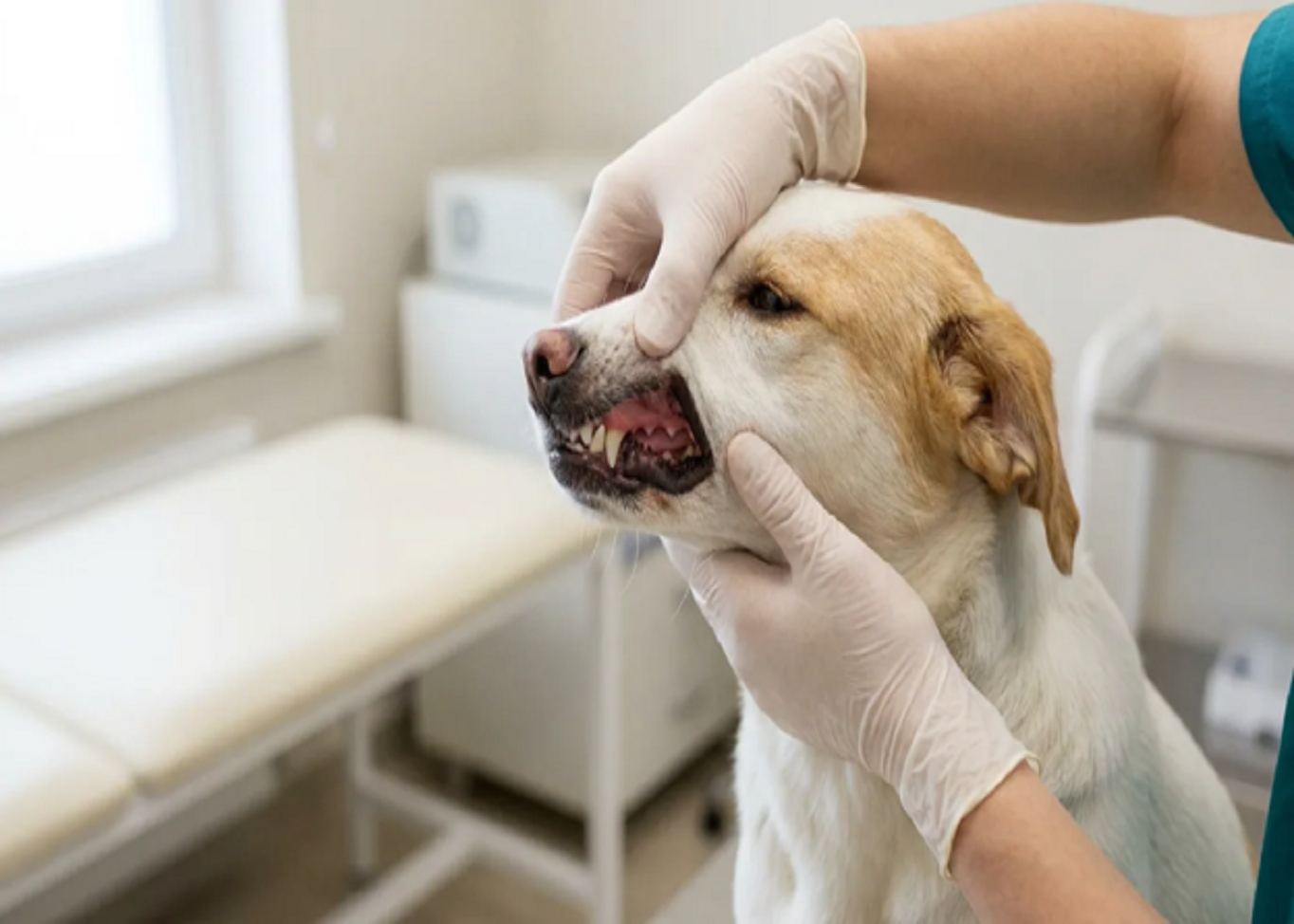
Canine Pyoderma: Antibiotic Selection and Treatment Failure
Explore antibiotic selection, treatment challenges and approaches to managing canine pyoderma cases...
Article
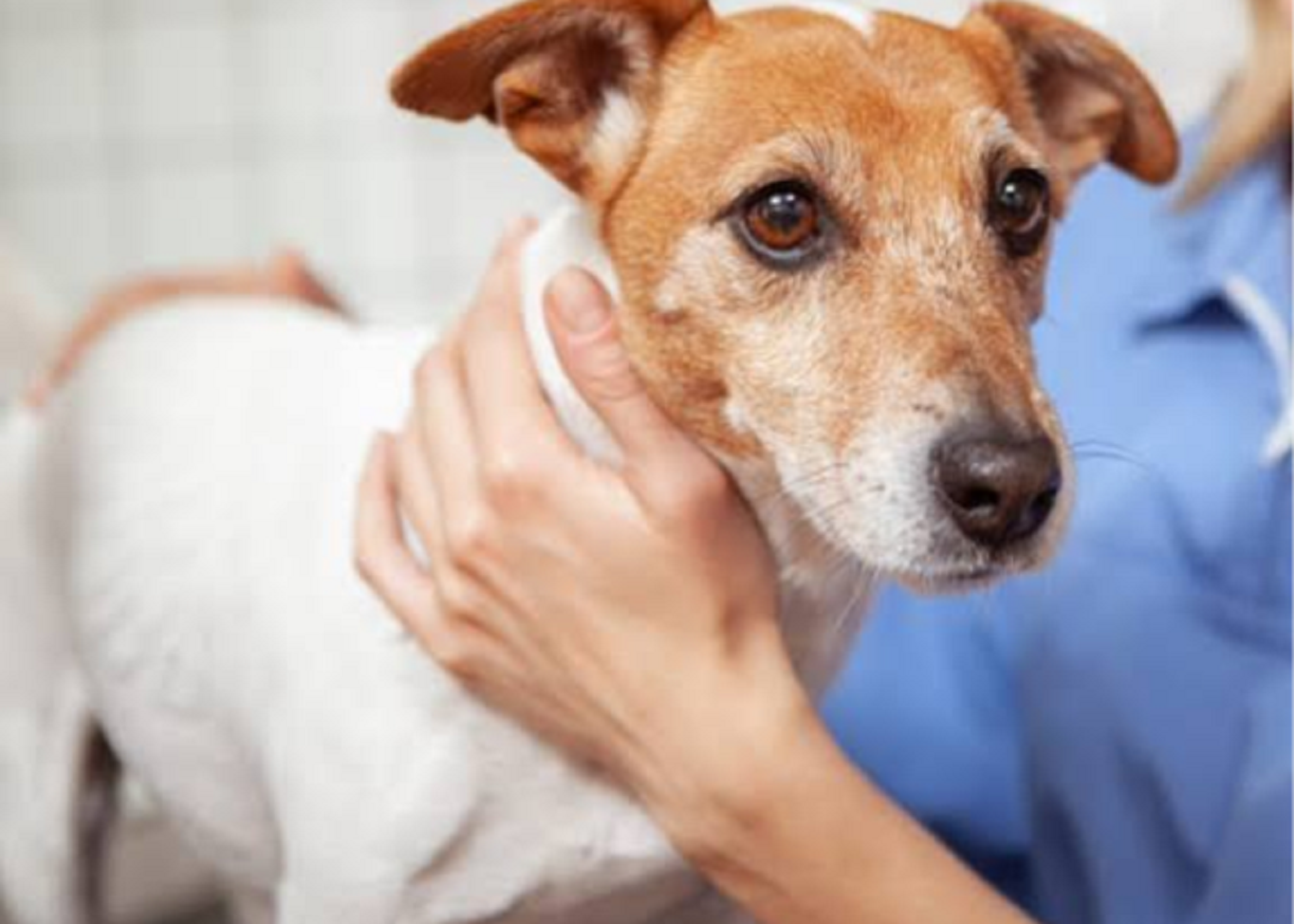
Recognising Leptospirosis Across Animal Species: Clinical Presentations and Organ-Specific Changes
A dog presents with fever and systemic illness, while cattle experience reproductive failure without...
Article
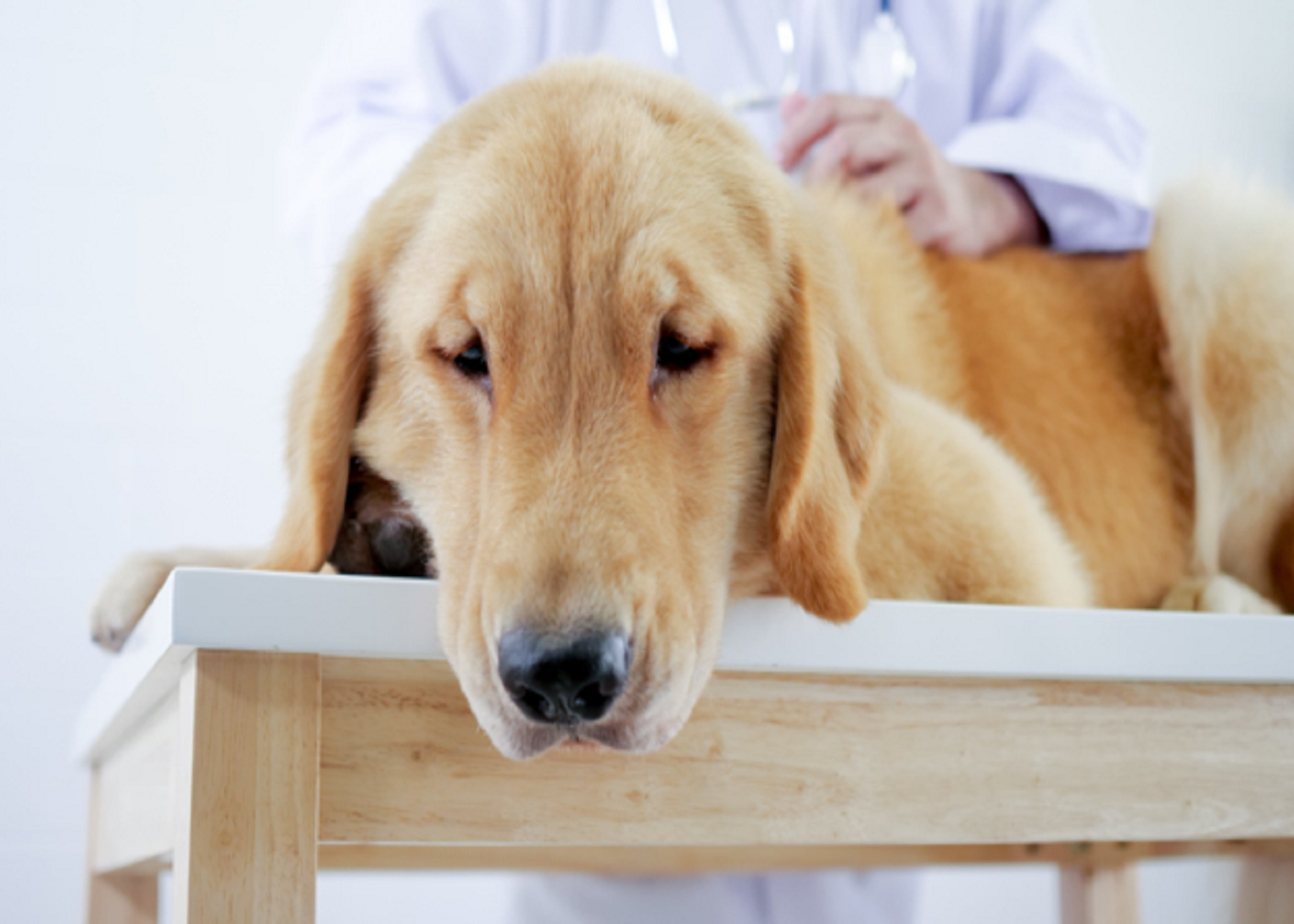
Psychogenic Polydipsia in Dogs: Recognising Behavioural Triggers and Clinical Indicators
A dog presents with persistent excessive drinking and urination, yet its physical examination reveal...
Article
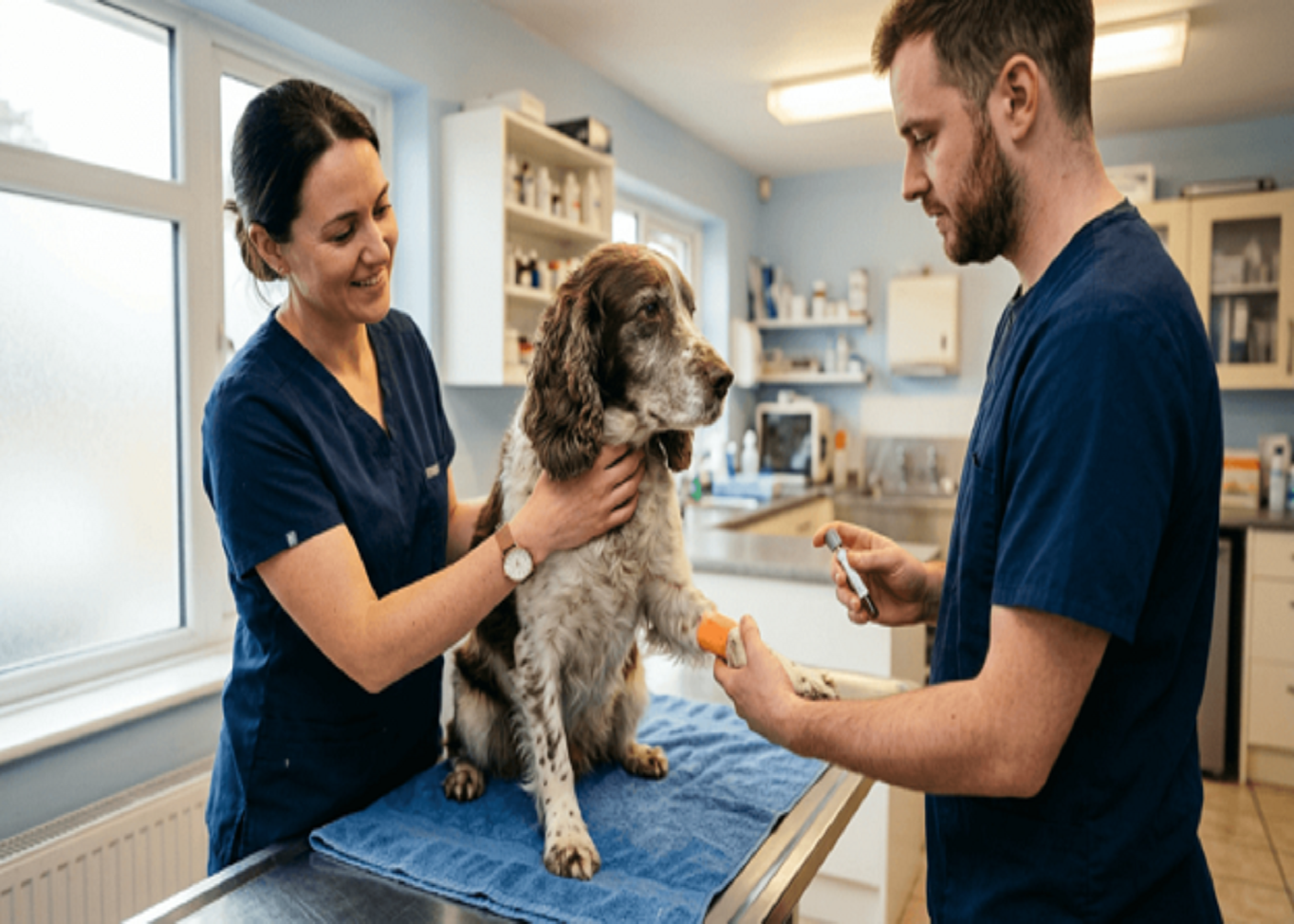
Diagnostic Approach to Canine PU/PD: Differentiating Primary Polydipsia from Primary Polyuria
Persistent excessive drinking and urination can be the presenting signs of several conditions in dog...
.jpg)
Upcoming Event
Culture-Guided Treatment of UTIs in Dogs and Cats
Make informed antibiotic choices in canine and feline UTIs with a culture-guided approach. Explore h...
Article
Managing Psychogenic Polydipsia in Dogs: Water Intake, Behavioural Therapy and Pharmacological Intervention
Once psychogenic polydipsia (PPD) has been identified, management needs to address more than the vol...

Article
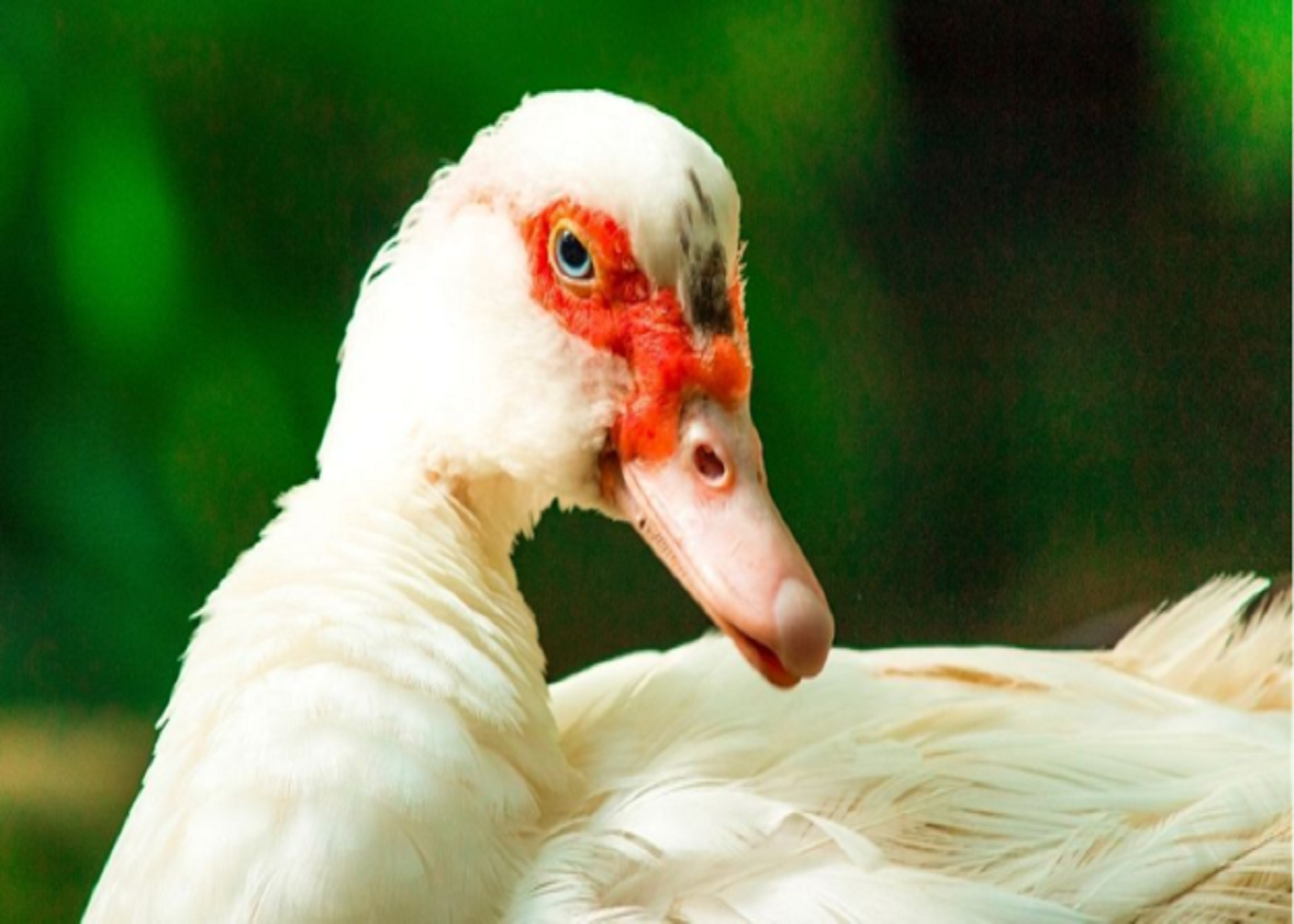
Duck Viral Hepatitis in Ducklings: Clinical Recognition and Differential Diagnosis
A sudden rise in mortality among young ducklings, particularly those under three weeks of age, shoul...
Article
Confirming Duck Viral Hepatitis: Choosing and Interpreting Diagnostic Tests
When young ducklings develop sudden mortality and liver lesions suggestive of duck viral hepatitis (...