Article
PRP, IRAP or Stem Cells? Choosing the Right Biologic for Equine Osteoarthritis
Biologics are everywhere—but which one to choose?
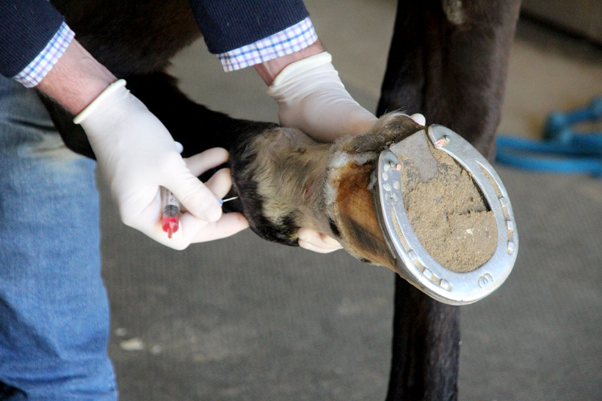
Regenerative medicine has transformed equine orthopaedics over the past decade. Today, platelet-rich plasma (PRP), interleukin-1 receptor antagonist protein (IRAP), and mesenchymal stem cells (MSCs) are frequently discussed as alternatives or adjuncts to conventional osteoarthritis treatments1.
The challenge for practising veterinarians is not finding these therapies—it is determining when they are truly justified.
Why Biologics Gained Popularity
Traditional OA therapies primarily target symptoms. Biologic therapies, on the other hand, aim to influence the inflammatory environment within the joint and support tissue repair processes.
Although none of these therapies can currently be classified as disease-modifying osteoarthritis drugs (DMOADs), they offer new possibilities for managing difficult cases1.
PRP: The Most Accessible Orthobiologic
PRP is produced by concentrating platelets from the horse's own blood. These platelets release growth factors and anti-inflammatory mediators that may support healing and modulate inflammation2.
Advantages
- Easy to obtain
- Minimally invasive
- Widely available
- Relatively affordable
Limitations
- Significant variability between products
- Lack of standardization
- Limited high-quality clinical evidence
Best Suited For
- Mild to moderate OA
- Early intervention strategies
- Performance horses requiring conservative management
IRAP: Designed to Block Joint Inflammation
IRAP focuses on increasing concentrations of interleukin-1 receptor antagonist (IL-1Ra), which counters one of the major inflammatory pathways involved in OA3.
Potential Benefits
- Targets inflammation more specifically
- Useful for recurrent synovitis
- May reduce reliance on repeated corticosteroid injections
Current Evidence
Several studies report clinical improvement, but high-quality blinded trials remain limited1.
Best Suited For
- Horses with chronic inflammatory joint disease
- Athletes requiring long-term joint management
- Cases where corticosteroid use is less desirable
Mesenchymal Stem Cells: The Regenerative Contender
Stem cells have generated significant interest because of their ability to influence inflammation and potentially support tissue repair.
In horses, MSCs may be harvested from:
- Bone marrow
- Adipose tissue
- Umbilical cord tissue
- Dental pulp
- Muscle tissue4
What Makes MSCs Different?
Unlike PRP or IRAP, MSCs possess immunomodulatory properties that may affect the joint environment beyond simple inflammation control.
Current Evidence
Among biologic therapies, MSC studies generally demonstrate stronger research design, including randomized and placebo-controlled trials. Overall clinical outcomes have been encouraging1.
Best Suited For
- High-value sport horses
- Chronic OA cases
- Horses requiring long-term management plans
The Standardization Problem
One of the biggest challenges facing biologic therapies is inconsistency.
Factors affecting the final product include:
- Horse age
- Health status
- Collection technique
- Processing methods
- Cell concentration
- Growth factor content
As a result, two treatments labeled "PRP" or "MSC therapy" may differ significantly in biological composition and clinical effect5.
Clinical Pearl
Ask not only "Which biologic?" but also "How was it prepared?"
What Does the Evidence Actually Say?
A recent systematic review evaluating commonly used intra-articular therapies found:
- PRP showed promising clinical improvement but lacked strong study design.
- IRAP demonstrated beneficial effects, though evidence remains limited.
- MSCs showed the most consistently positive outcomes among biologics.
- Long-term safety and durability remain uncertain for all three therapies1.
Importantly, none of the reviewed studies reported serious adverse effects.
Questions to Ask Before Recommending a Biologic
Before selecting a biologic treatment, consider:
- What is the severity of OA?
- Is synovitis a major component?
- What are the owner's expectations?
- What is the horse's athletic goal?
- Is repeat treatment financially feasible?
- How strong is the evidence supporting the chosen product?
These practical considerations often influence outcomes as much as the therapy itself.
The Future of Equine OA Treatment
Biologics continue to represent one of the most exciting areas in equine medicine. However, practitioners should recognize that many products currently outpace the available evidence.
Future advances will likely focus on:
- Standardized preparation protocols
- Better patient selection
- Objective gait-analysis outcomes
- Longer follow-up studies
- Identification of true disease-modifying therapies
Take-Home Message
PRP, IRAP, and MSC therapies all offer potential benefits in equine OA management, but they should not be viewed as miracle treatments. Current evidence suggests MSCs have the strongest scientific support, while PRP and IRAP remain promising options in appropriately selected cases. For practising veterinarians, success depends on understanding both the strengths and limitations of each biologic and matching the therapy to the individual horse.
References
- Nedergaard A, Carlsson LE, Lindegaard C. Evidence of the clinical effect of commonly used intra‐articular treatments of equine osteoarthritis. Equine Veterinary Education. 2024 Dec;36(12):646-58.
- Brossi PM, Moreira JJ, Machado TS, Baccarin RY. Platelet-rich plasma in orthopedic therapy: a comparative systematic review of clinical and experimental data in equine and human musculoskeletal lesions. BMC veterinary research. 2015 Apr 22;11(1):98. https://link.springer.com/article/10.1186/s12917-015-0403-z
- Tokawa, P.K.A., Brossi, P.M. & Baccarin, R.Y.A. (2022) Autologous conditioned serum in equine and human orthopedic therapy: a systematic review. Research in Veterinary Science, 146, 34–52. https://pubmed.ncbi.nlm.nih.gov/35325755/
- Gugjoo MB, Sharma GT. Equine mesenchymal stem cells: properties, sources, characterization, and potential therapeutic applications. Journal of equine veterinary science. 2019 Jan 1;72:16-27. https://doi.org/10.1016/j.jevs.2018.10.007
- Mayet A, Zablotski Y, Roth SP, Brehm W, Troillet A. Systematic review and meta-analysis of positive long-term effects after intra-articular administration of orthobiologic therapeutics in horses with naturally occurring osteoarthritis. Frontiers in Veterinary Science. 2023 Feb 23;10:1125695. https://doi.org/10.3389/fvets.2023.1125695
Related Contents

Article
The Elephant is Walking Differently: Where Should the Investigation Begin?
When an elephant begins walking differently, the first challenge is not necessarily to identify the...
Article
When an Elephant’s Blood Report Says “Abnormal”: How Should It Be Interpreted?
A laboratory report can flag a value as abnormal even when an elephant appears clinically healthy. C...
.jpg)
Upcoming Event
World Animal Day
World Animal Day highlights the importance of protecting animal health and welfare through responsib...
Video
Rabies: Epitome of the One Health Paradigm
Rabies exemplifies the One Health approach, linking animal health, human health, veterinary services...
Video
One Health Webinar on Important Updates on Rabies for Veterinary Practitioners and Students
Rabies remains a major zoonotic disease requiring vigilance across veterinary practice and public he...
.jpg)
Video
Transjugular Removal of Canine Heartworms: A Clinical and Surgical Overview
Transjugular removal of canine heartworms is a specialized intervention used in selected dogs with s...

Article
Feline Pregnancy Endocrinology: Hormonal Changes and Placental Function
Pregnancy in cats involves a distinctive endocrine pattern in which ovarian and placental hormones w...

Article
Hormonal Control of Pregnancy Termination in Cats
Pregnancy maintenance in cats depends strongly on coordinated hormonal support, particularly progest...