Article
The Gut–Skin Connection in Dogs: How Probiotics May Help Manage Canine Atopic Dermatitis
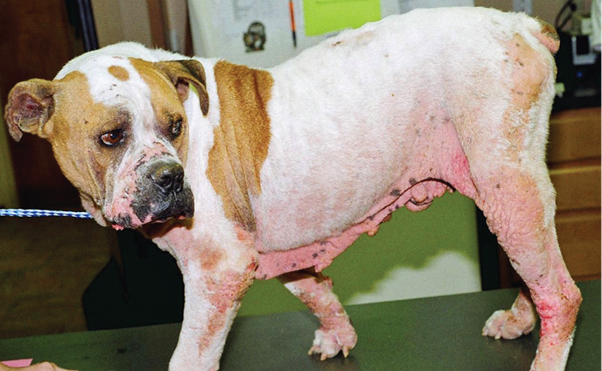
Canine atopic dermatitis (AD) is one of the most frustrating chronic dermatological disorders encountered in small animal practices. Persistent itching, recurrent skin infections, erythema, and inflammation can significantly affect both patient welfare and owner compliance. While therapies such as glucocorticoids, ciclosporin, and oclacitinib remain central to disease management, growing attention is now being directed toward the relationship between gut health and immune-mediated skin disease1.
Recent research suggests that intestinal microbiota may play a larger role in allergic and inflammatory disorders than previously understood. This evolving concept, often referred to as the “gut–skin axis,” has opened interest in probiotics as supportive tools in managing canine atopic dermatitis1.
Understanding the Immunological Basis of Atopic Dermatitis
Canine AD is a genetically predisposed allergic skin disease associated with environmental allergens and characterized by chronic inflammation and pruritus1. A hallmark of the condition is the development of allergen-specific immunoglobulin E (IgE) antibodies and an exaggerated immune response.
The disease process is strongly linked to an imbalance within the Th1/Th2 immune system. Excessive Th2-mediated immune activity contributes to allergic inflammation, whereas Th1 responses help maintain immune equilibrium2.
Research suggests that probiotics may influence this balance by reducing exaggerated Th2 activity and supporting more balanced immune regulation2. This immunomodulatory effect is one reason probiotics are increasingly being explored as adjunctive therapies in allergic skin disorders.
How Probiotics May Influence Skin Health
The intestinal microbiota plays an important role in immune development and inflammatory regulation3. Dysbiosis, or imbalance of gut microbial populations, may contribute to abnormal immune activation and chronic inflammatory conditions.
Probiotics may help support dogs with AD through several mechanisms:
- Modulating immune responses
- Supporting intestinal barrier integrity
- Enhancing mucosal immunity
- Reducing systemic inflammatory signaling
- Improving microbial balance within the gut1,2
By improving gastrointestinal microbial stability, probiotics may indirectly reduce inflammatory processes associated with allergic skin disease.
Clinical Findings with Bifidobacterium longum
Among the probiotic strains investigated in canine AD, Bifidobacterium longum has shown encouraging results.
A study evaluating dogs with atopic dermatitis reported that oral administration of B. longum at 5 × 10¹⁰ CFU/day over 12 weeks resulted in progressive improvement in skin lesion severity4. Clinical response was measured using the Canine Atopic Dermatitis Extent and Severity Index (CADESI), a commonly used scoring system for assessing lesion severity in dogs with AD.
The gradual reduction in CADESI scores suggested that probiotic supplementation may provide supportive benefits in managing inflammatory skin lesions4.
Although probiotics should not be viewed as replacements for established dermatologic therapies, these findings highlight their potential role as adjunctive support in chronic allergic skin disease.
Why the Gut–Skin Axis Matters in Practice1
Many dogs with chronic allergic skin disease experience fluctuating clinical signs despite ongoing therapy. Recurrent flare-ups, stress, dietary sensitivities, and secondary infections can further complicate management.
Supporting gastrointestinal health may offer additional benefits in these patients by:
- Stabilizing immune responses
- Reducing inflammatory burden
- Supporting long-term skin health
- Potentially improving therapeutic response
This approach aligns with the broader shift toward multimodal management strategies in chronic dermatological disorders.
Practical Considerations for Veterinarians
When considering probiotic use in dogs with AD, veterinarians should remember that probiotic effects are strain-specific1. Clinical outcomes depend on:
- The probiotic strain selected
- Dosage administered
- Duration of supplementation
- Severity of disease
Probiotics are best considered supportive nutritional interventions rather than standalone treatments.
They may be particularly valuable in dogs with concurrent gastrointestinal sensitivity, recurrent antibiotic exposure, or chronic inflammatory conditions affecting multiple body systems.
Conclusion
The growing understanding of the gut–skin axis is reshaping perspectives on canine atopic dermatitis management. By influencing immune regulation and supporting intestinal microbial balance, probiotics may offer meaningful adjunctive support in dogs with chronic allergic skin disease.
Although additional research is still needed, current findings involving strains such as Bifidobacterium longum suggest that microbiome-focused approaches may become increasingly relevant in long-term dermatological care for canine patients.
Reference
- Karukayil Gopalakrishnan N, Pappuswamy M, Meganathan G, Shanmugam S, Pushparaj K, Balasubramanian B, Kim IH. Influence of probiotic administration in canine feed: a comprehensive review. Veterinary Sciences. 2025 May 7;12(5):449. https://www.mdpi.com/2306-7381/12/5/449
- Eslami M, Bahar A, Keikha M, Karbalaei M, Kobyliak NM, Yousefi B. Probiotics function and modulation of the immune system in allergic diseases. Allergologia et Immunopathologia. 2020 Nov 1;48(6):771-88. https://www.all-imm.com/index.php/aei/article/download/142/118
- Wegh CA, Geerlings SY, Knol J, Roeselers G, Belzer C. Postbiotics and their potential applications in early life nutrition and beyond. International journal of molecular sciences. 2019 Sep 20;20(19):4673. https://www.mdpi.com/1422-0067/20/19/4673
- Lee KI, Yun T, Ham J, Lee WK, Kang JH, Yang MP, Kang BT. Clinical trial of oral administration of Bifidobacterium longum in dogs with atopic dermatitis. Korean Journal of Veterinary Research. 2020;60(1):19-24. https://www.researchgate.net/profile/Taesik-Yun-3/publication/350971185_Clinical_trial_of_oral_administration_of_Bifidobacterium_longum_in_dogs_with_atopic_dermatitis/links/621f392139529602315a4e68/Clinical-trial-of-oral-administration-of-Bifidobacterium-longum-in-dogs-with-atopic-dermatitis.pdf?_sg%5B0%5D=started_experiment_milestone&origin=journalDetail
Related Contents
Upcoming Event
African Swine Fever: Diagnosis and Management
African swine fever can cause severe disease and significant losses in affected pig populations.&nbs...
.jpg)
Video
Transjugular Removal of Canine Heartworms: A Clinical and Surgical Overview
Transjugular removal of canine heartworms is a specialized intervention used in selected dogs with s...

Article
Feline Pregnancy Endocrinology: Hormonal Changes and Placental Function
Pregnancy in cats involves a distinctive endocrine pattern in which ovarian and placental hormones w...

Article
Hormonal Control of Pregnancy Termination in Cats
Pregnancy maintenance in cats depends strongly on coordinated hormonal support, particularly progest...

Article
Feline Embryo Implantation and Early Placental Development
Pregnancy establishment in cats involves a sequence of precisely timed events between fertilization,...

Article
Ultrasonographic Monitoring of Pregnancy in Cats: A Gestational Timeline
Ultrasonography provides a practical way to follow the progression of feline pregnancy by identifyin...

Article
Feline Mismating: Pregnancy Diagnosis and Clinical Management
Mismating or unplanned mating is a common clinical problem in sexually mature queen cats because of...

Article
Medical Termination of Pregnancy in Queens: Drugs, Timing and Treatment Protocols
Medical termination of pregnancy (MTP) in queen cats should be approached according to the timing of...