Article
Managing the Zoonotic Risk of Chlamydiales in Poultry: A One Health Approach
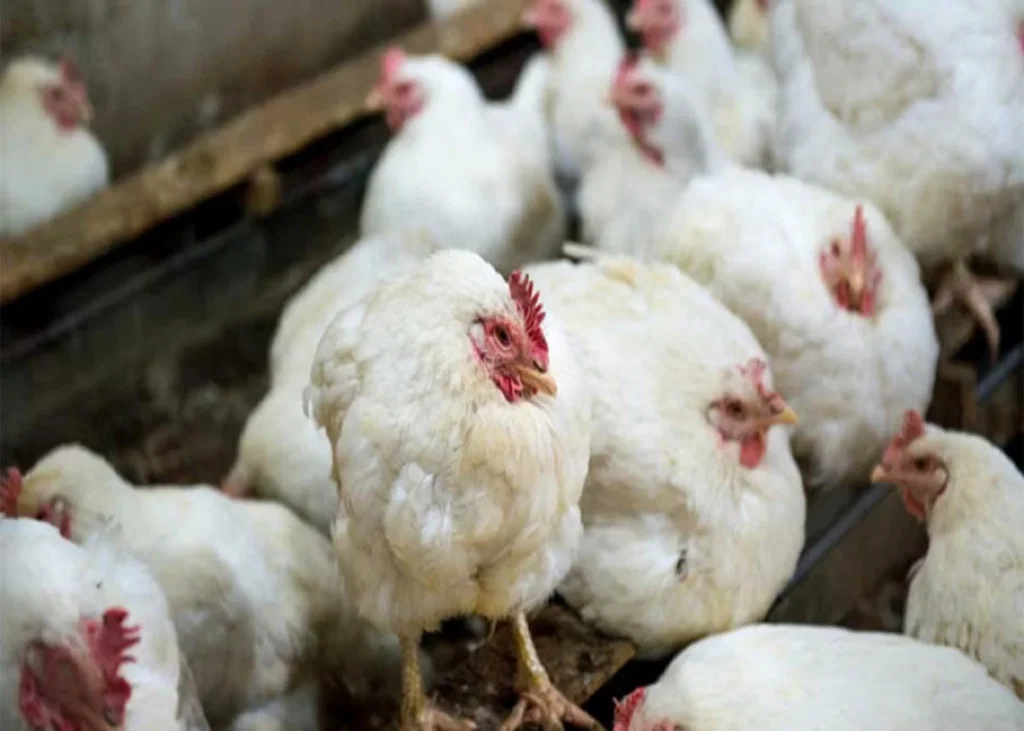
Poultry infection does not always remain limited to animal health. When Chlamydiales are involved, veterinarians also need to consider the people who handle birds, the environments in which poultry.
This makes zoonotic risk assessment a shared responsibility across veterinary and public health systems.
Why Poultry Workers Need Attention[1]
People working closely with poultry may encounter infected birds, fecal materials, respiratory secretions, or contaminated materials.
For C. psittaci, human exposure may occur through direct contact or inhalation of infectious aerosols. Infected urine, feces, or other materials can also come into contact with the mouth, skin, or conjunctiva. Poultry workers therefore represent an occupational group that warrants particular attention when avian chlamydiosis is suspected.
The clinical picture in humans may be nonspecific, which can make early recognition challenging. This is one reason veterinary awareness should extend beyond the affected flock.
The Zoonotic Picture is Not Limited to C. psittaci
C. psittaci is recognised as the primary zoonotic avian Chlamydia species. However, C. gallinacea and C. avium have also been discussed in relation to potential zoonotic risk[2],[3].
Evidence linking poultry-associated Chlamydiales with human infection has also been reported. Guo et al. (2016) identified C. gallinacea in domestic poultry and reported a correlation with atypical pneumonia among slaughterhouse workers[4]. An outbreak of atypical pneumonia among slaughterhouse workers was also reported in connection with C. gallinacea[1].
These findings highlight why poultry-associated Chlamydiales should not be considered solely from an animal-health perspective.
What Does One Health Change?
A One Health approach brings veterinary, human health, and environmental considerations into the same risk assessment.
For veterinarians, this means that information about a suspected poultry infection may be relevant to:
- Public health professionals
- Environmental scientists
- Wildlife biologists and conservationists
- Poultry workers and other occupational groups
- Authorities involved in disease surveillance and response
Communication between these groups can help connect information that would otherwise remain within separate sectors.
Surveillance Should Cross Sector Boundaries
Monitoring only poultry may provide an incomplete picture of zoonotic risk.
Integrated surveillance can involve humans, animals, vectors, and the environment, supported by tracking, notification, and sharing of relevant diagnostic information. Such coordination can help identify connections between animal infections and human or environmental exposure[5],[6],[7].
For veterinarians, timely communication is particularly important when occupational exposure or human illness is suspected.
Risk Communication is Part of Disease Management[1]
Zoonotic risk is not managed through diagnostics alone. Clear communication about potential exposure and appropriate biosecurity awareness can help reduce avoidable occupational risks.
Environmental management also matters. The source highlights concerns surrounding the unsafe or illegal disposal of culled infected poultry into waste-recovery systems and aquatic habitats. Such practices can create opportunities for organisms to move beyond the original production setting.
Veterinary input can therefore contribute to both farm-level disease management and wider risk communication.
Reporting Can Connect the Dots
Nonspecific clinical signs can make early recognition of Chlamydiales difficult. When infection is suspected, reporting and coordination become important because information from poultry, occupational health, public health, and environmental surveillance may need to be considered together.
Rather than managing each event independently, a coordinated response can help determine whether apparently separate findings are connected.
A Shared Responsibility
The zoonotic risk associated with Chlamydiales makes the veterinarian an important link between animal health and public health. Recognising potential occupational exposure, communicating relevant findings, supporting integrated surveillance, and involving appropriate sectors can strengthen the response beyond the poultry house.
A One Health approach is therefore not simply about adding human health to a poultry disease investigation, it is about connecting the information needed to understand and manage risk across animals, people, and the environment.
References:
- Narayan J, Yadav V, Prakash D, Diwakar RP, Joshi RK. A Review on Chlamydiales in Indian Poultry and its Zoonotic Transmission. https://www.researchgate.net/profile/Dp-Shrivastava-2/publication/394943252
- Ravichandran K, Anbazhagan S, Karthik K, Angappan M, Dhayananth B. A comprehensive review on avian chlamydiosis: a neglected zoonotic disease. Tropical animal health and production. 2021 Sep;53(4):414. https://pmc.ncbi.nlm.nih.gov/articles/PMC8313243/pdf/11250_2021_Article_2859.pdf
- Stokes HS, Berg ML, Bennett AT. A review of chlamydial infections in wild birds. Pathogens. 2021 Jul 28;10(8):948. https://www.mdpi.com/2076-0817/10/8/948
- Guo W, Li J, Kaltenboeck B, Gong J, Fan W, Wang C. Chlamydia gallinacea, not C. psittaci, is the endemic chlamydial species in chicken (Gallus gallus). Scientific reports. 2016 Jan 18;6(1):19638. https://www.nature.com/articles/srep19638.pdf
- Wilson AL, Courtenay O, Kelly-Hope LA, Scott TW, Takken W, Torr SJ, Lindsay SW. The importance of vector control for the control and elimination of vector-borne diseases. PLoS neglected tropical diseases. 2020 Jan 16;14(1):e0007831. https://journals.plos.org/plosntds/article/file?id=10.1371/journal.pntd.0007831&type=printable
- Pley C, Evans M, Lowe R, Montgomery H, Yacoub S. Digital and technological innovation in vector-borne disease surveillance to predict, detect, and control climate-driven outbreaks. The Lancet Planetary Health. 2021 Oct 1;5(10):e739-45. https://www.thelancet.com/pdfs/journals/lanplh/PIIS2542-5196(21)00141-8.pdf
- Zinsstag J, Kaiser-Grolimund A, Heitz-Tokpa K, Sreedharan R, Lubroth J, Caya F, Stone M, Brown H, Bonfoh B, Dobell E, Morgan D. Advancing one human–animal–environment health for global health security: what does the evidence say?. The Lancet. 2023 Feb 18;401(10376):591-604. https://discovery.ucl.ac.uk/id/eprint/10178350/1/Zinsstag%20et%20al%20Paper%201-%20Lancet%20OneHealthEvidence.pdf
Related Contents

Article
Chronic Cough in Dogs and Cats: How to Classify and Localize It
A dog has been coughing for several weeks. The owner describes it as “honking,” but the...
Article
Diagnosing the Coughing Dog or Cat: Choosing the Right Diagnostic Test
A coughing dog or cat does not automatically need every available respiratory test. The more useful...

Article
Bronchoscopy and Airway Sampling in Dogs and Cats with Chronic Cough
In dogs and cats with chronic cough, thoracic radiographs may not fully explain the airway abnormali...
Article
When Should Veterinarians Suppress Cough?
Cough suppression plays a specific role in managing respiratory diseases in dogs and cats. The aim i...
Article
Managing Persistent Cough in Dogs and Cats: From Conventional Therapy to Emerging Options
Persistent cough in dogs and cats may require more than treatment of the primary disease. When cough...
Article
Bacterial Diseases in Farmed Fish: Recognising Clinical Patterns in Practice
A fish population develops haemorrhagic lesions, lethargy and poor appetite. Another shows exophthal...
Article
Viral Diseases in Aquaculture: Recognising Clinical Patterns Before the Outbreak Escalates
A group of cultured fish begins showing dark skin, haemorrhage, anaemia and abnormal behaviour. In a...
Article
Parasitic Diseases in Farmed Fish: Recognising Gill, Skin and Systemic Involvement
A group of fingerlings is losing appetite and becoming increasingly inactive. Some fish have excessi...