Article
Early Recognition and Field Management of PPR in Goats: Practical Lessons from a Clinical Case
Peste des Petits Ruminants (PPR) remains a major infectious disease affecting goats and sheep, with substantial implications for animal health and farm productivity. Characterized by rapid spread and high morbidity, the disease often presents with a combination of respiratory, gastrointestinal, and oral manifestations that require prompt recognition and timely intervention. Although vaccination is available, inadequate coverage continues to leave susceptible populations at risk1. Supportive therapy, combined with appropriate medical management, continues to play an important role in field situations2.
A field case involving a herd of goats illustrates how systematic clinical assessment, supportive care, and practical management measures can contribute to favorable outcomes when intervention is initiated early.
Recognizing the Clinical Picture in the Field
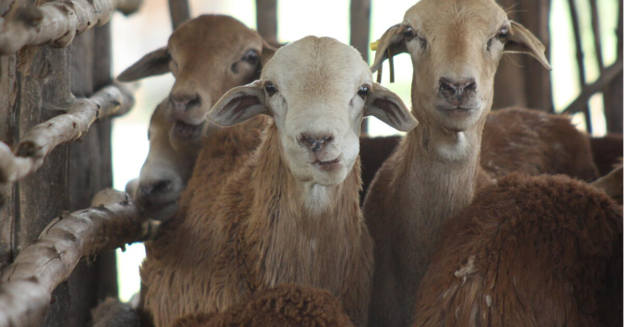
A herd comprising 12 does, 2 bucks, and 8 kids was presented with multiple animals showing fever, nasal and ocular discharge, coughing, and erosive lesions affecting the oral mucosa. Clinical examination further revealed dehydration, depression, reluctance to move, drooping of the head, pasty eyes, and excessive bleating during the night. The severity of illness varied among affected animals, highlighting the importance of evaluating each individual while considering the herd as a whole3.
The owner reported that the animals had not been vaccinated, an important management detail that supported the clinical suspicion. Based on the history and physical examination, the herd was diagnosed with PPR virus infection.
Building a Practical Treatment Plan
Management focused on addressing dehydration, controlling secondary complications, and supporting recovery over a seven-day treatment period.
The therapeutic approach included:
- Intravenous metronidazole (10 mg/kg body weight once daily) to reduce the protozoal load in the gut and help alleviate diarrhoea.
- Intravenous ceftriaxone (7.5 mg/kg body weight) as a third-generation cephalosporin to manage respiratory infection. The usefulness of cephalosporins in PPR management has also been described by2,4.
- Levamisole (2.5 mg/kg body weight, subcutaneous) to improve immunity in affected animals. Its immunomodulatory role during PPR management has been reported by5.
- Normal saline to correct dehydration and maintain adequate hydration.
Supportive local therapy was also incorporated. Animals were advised to be housed in a dry environment, while ulcerative oral lesions were washed regularly using KMnO₄. Ocular involvement was managed with a subconjunctival injection of gentamicin and dexamethasone to resolve eye infections.
Management Beyond Medication
Successful field management extended beyond pharmacological treatment. Strict quarantine measures were implemented to limit disease spread. Infected animals were isolated, and biosecurity practices were reinforced to reduce the risk of introducing infection into neighbouring flocks. Continued surveillance was maintained to monitor treatment response and evaluate the overall health status of the herd2.
Practical Clinical Insights
Several practical observations from this case can assist veterinarians managing suspected PPR outbreaks under field conditions:
- Careful history taking, particularly regarding vaccination status, can strengthen clinical decision-making.
- Simultaneous respiratory, gastrointestinal, oral, and ocular involvement should prompt consideration of PPR during clinical examination.
- Effective case management may require a combination of systemic therapy, supportive care, local lesion management, and fluid therapy rather than relying on a single intervention.
- Herd-level disease control measures, including quarantine, isolation, and reinforcement of biosecurity, remain important components of outbreak management alongside treatment.
By the end of the first week of therapy, the affected animals showed resolution of clinical signs, demonstrating how early diagnosis, comprehensive supportive care, and practical field management can improve clinical outcomes. While vaccination remains an important preventive measure, prompt recognition of disease, timely therapeutic intervention, and effective flock management continue to be central to reducing the impact of PPR under field conditions.
References
- Sen A, Saravanan P, Balamurugan V, Rajak KK, Sudhakar SB, Bhanuprakash V, Parida S, Singh RK. Vaccines against peste des petits ruminants virus. Expert review of vaccines. 2010 Jul 1;9(7):785-96. https://www.academia.edu/download/83501014/Vaccines_against_peste_des_petits_rumina20220408-29899-19510vp.pdf
- Prajapat P. Management and treatment of Peste Des Petits Ruminants (PPR) in goat in field conditions-case report. Int J Vet Sci Anim Husb. 2024;9(1):744-746. https://www.veterinarypaper.com/pdf/2024/vol9issue1/PartJ/9-1-92-456.pdf
- Muniraju M, Munir M, Banyard AC, Ayebazibwe C, Wensman J, Zohari S, Berg M, Parthiban AR, Mahapatra M, Libeau G, Batten C. Complete genome sequences of lineage III peste des petits ruminants viruses from the Middle East and East Africa. Genome announcements. 2014 Oct 23;2(5):e01023-14. https://pmc.ncbi.nlm.nih.gov/articles/PMC4208319/pdf/e01023-14.pdf
- Baruti M, Barthakur A, Bhuyan M, Gohain O, Phukan K. Management and treatment of PPR Outbreak in Goat: A Case Report. International Journal of Current Microbiology and Applied Sciences. 2018;7(02):2182- 2184. https://www.academia.edu/download/56021039/Manna_Baruti__et_al1.pdf
- Das M, Isore DP, Joardar SN, Samanta I, Mukhopadhayay SK. Immunomodulatory effect of levamisole on PPR vaccine in goats and change in haematological profile. Indian Journal of Animal Research. 2016 Jun 1;50(3):411-4. https://www.academia.edu/download/110100448/ArticleFile-B-2856-23_20411-414_20B-2856.pdf
Related Contents
.jpg)
Video
Transjugular Removal of Canine Heartworms: A Clinical and Surgical Overview
Transjugular removal of canine heartworms is a specialized intervention used in selected dogs with s...

Article
Feline Pregnancy Endocrinology: Hormonal Changes and Placental Function
Pregnancy in cats involves a distinctive endocrine pattern in which ovarian and placental hormones w...

Article
Hormonal Control of Pregnancy Termination in Cats
Pregnancy maintenance in cats depends strongly on coordinated hormonal support, particularly progest...

Article
Feline Embryo Implantation and Early Placental Development
Pregnancy establishment in cats involves a sequence of precisely timed events between fertilization,...

Article
Ultrasonographic Monitoring of Pregnancy in Cats: A Gestational Timeline
Ultrasonography provides a practical way to follow the progression of feline pregnancy by identifyin...

Article
Feline Mismating: Pregnancy Diagnosis and Clinical Management
Mismating or unplanned mating is a common clinical problem in sexually mature queen cats because of...

Article
Medical Termination of Pregnancy in Queens: Drugs, Timing and Treatment Protocols
Medical termination of pregnancy (MTP) in queen cats should be approached according to the timing of...

Article
Safety and Aftercare Following Pregnancy Termination in Queen Cats
Pregnancy termination in queen cats requires more than selecting an appropriate abortifacient. Once...