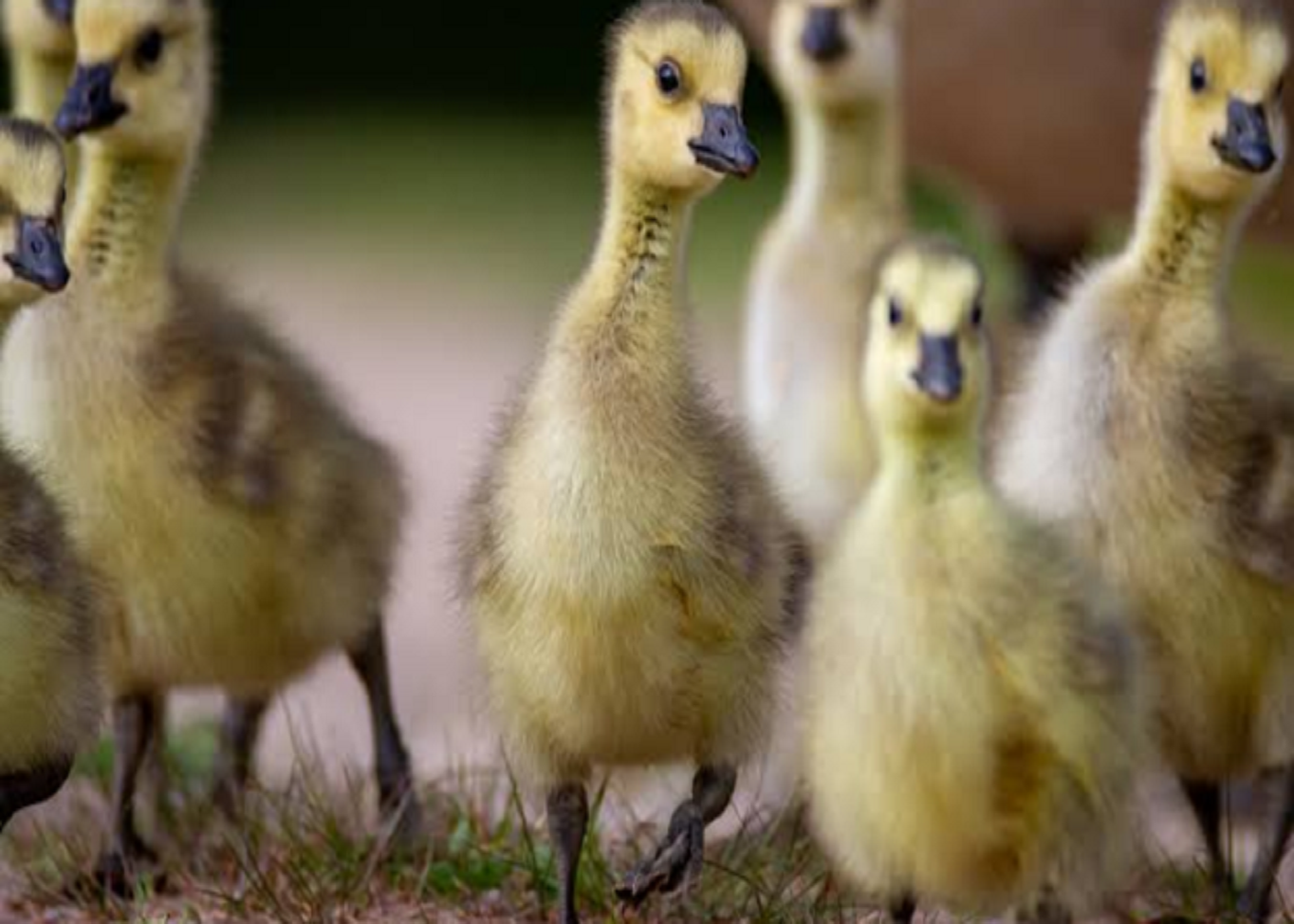
Article
Live Attenuated DHAV Vaccines: Safety and Risk of Virulence Reversion
Live attenuated vaccines are an important tool for preventing duck hepatitis A virus (DHAV) infection. They are developed by repeatedly passaging virulent virus strains in embryonated eggs or other suitable systems to reduce pathogenicity while retaining the ability to stimulate protective immunity. However, attenuation alone does not establish long-term vaccine safety. The stability of the vaccine strain, particularly its potential to regain virulence, also needs to be considered.
How Attenuation is Achieved
Serial passage in embryonated chicken eggs has been used to develop live attenuated vaccines against different DHAV types. During this process, the virus adapts to the embryonated host, and its pathogenicity in ducklings may decrease. Experimental DHAV-3 vaccine candidates, including SD70 and HB80, showed reduced pathogenicity after serial passage and provided protection against virulent challenge[1],[2].
These findings demonstrate the potential of attenuation through repeated passage. However, the number of passages required and the resulting safety profile can vary between viral strains. A vaccine candidate that performs well under experimental conditions should not automatically be assumed to have the same stability under field conditions.
Why Virulence Reversion Matters[2]
A key concern with live attenuated DHAV vaccines is the possibility that the virus may regain pathogenicity after replication and repeated transmission in susceptible ducks. Historical experiments reported reversion to virulence in attenuated DHAV strains following serial passage in ducklings. Although some newer DHAV-3 candidates showed no reversion during defined back-passage experiments, these results do not eliminate the concern across all vaccine strains.
The distinction is important: demonstrating that a particular vaccine strain remains attenuated over a specified number of passages provides evidence of stability under those experimental conditions, not a guarantee of universal or indefinite safety.
What Veterinarians Should Consider[1]
Vaccine safety assessment should include monitoring for clinical signs, mortality and pathological changes following administration. Back-passage testing in susceptible ducklings is also important for evaluating whether attenuation is maintained. The World Organisation for Animal Health (WOAH) recommends that live attenuated vaccines should remain stable and should not revert to virulence during back-passage testing.
Veterinarians should also consider vaccine type, target age, administration route, storage conditions and the manufacturer's approved instructions when planning flock vaccination. Unexpected disease following vaccination warrants investigation rather than being automatically attributed to vaccine reversion. Diagnostic confirmation and, where possible, characterisation of the virus are needed to distinguish vaccine-associated events from infection with circulating field strains.
Live attenuated DHAV vaccines can provide valuable protection, but their use depends on reliable evidence of safety and genetic stability. Continued monitoring and appropriate investigation of suspected vaccine-associated disease remain important components of responsible vaccination programmes.
References:
- Zhang Y, Wu S, Liu W, Hu Z. Current status and future direction of duck hepatitis A virus vaccines. Avian Pathology. 2023 Mar 4;52(2):89-99. https://www.tandfonline.com/doi/pdf/10.1080/03079457.2022.2162367
- Wu F, Lu F, Fan X, Pan Q, Zhao S, Sun H, Zhang J, Liu C, Chao J, Zhang X. Development of a live attenuated duck hepatitis A virus type 3 vaccine (strain SD70). Vaccine. 2020 Jun 19;38(30):4695-703. https://www.sciencedirect.com/science/article/abs/pii/S0264410X20306496
Related Contents
Article
Recognising Leptospirosis Across Animal Species: Clinical Presentations and Organ-Specific Changes
A dog presents with fever and systemic illness, while cattle experience reproductive failure without...
Article
Psychogenic Polydipsia in Dogs: Recognising Behavioural Triggers and Clinical Indicators
A dog presents with persistent excessive drinking and urination, yet its physical examination reveal...
Article
Diagnostic Approach to Canine PU/PD: Differentiating Primary Polydipsia from Primary Polyuria
Persistent excessive drinking and urination can be the presenting signs of several conditions in dog...
.jpg)
Upcoming Event
Culture-Guided Treatment of UTIs in Dogs and Cats
Make informed antibiotic choices in canine and feline UTIs with a culture-guided approach. Explore h...
Article
Managing Psychogenic Polydipsia in Dogs: Water Intake, Behavioural Therapy and Pharmacological Intervention
Once psychogenic polydipsia (PPD) has been identified, management needs to address more than the vol...
Article
Duck Viral Hepatitis in Ducklings: Clinical Recognition and Differential Diagnosis
A sudden rise in mortality among young ducklings, particularly those under three weeks of age, shoul...
Article
Confirming Duck Viral Hepatitis: Choosing and Interpreting Diagnostic Tests
When young ducklings develop sudden mortality and liver lesions suggestive of duck viral hepatitis (...
Article
Duck Viral Hepatitis Vaccination: Managing Maternal Antibody Interference and Field Efficacy
Vaccination is a key strategy for controlling Duck Viral Hepatitis (DVH), particularly in intensive...