Article
Managing Feline Hyperthyroidism: Comparing Medical, Dietary and Definitive Treatment Options
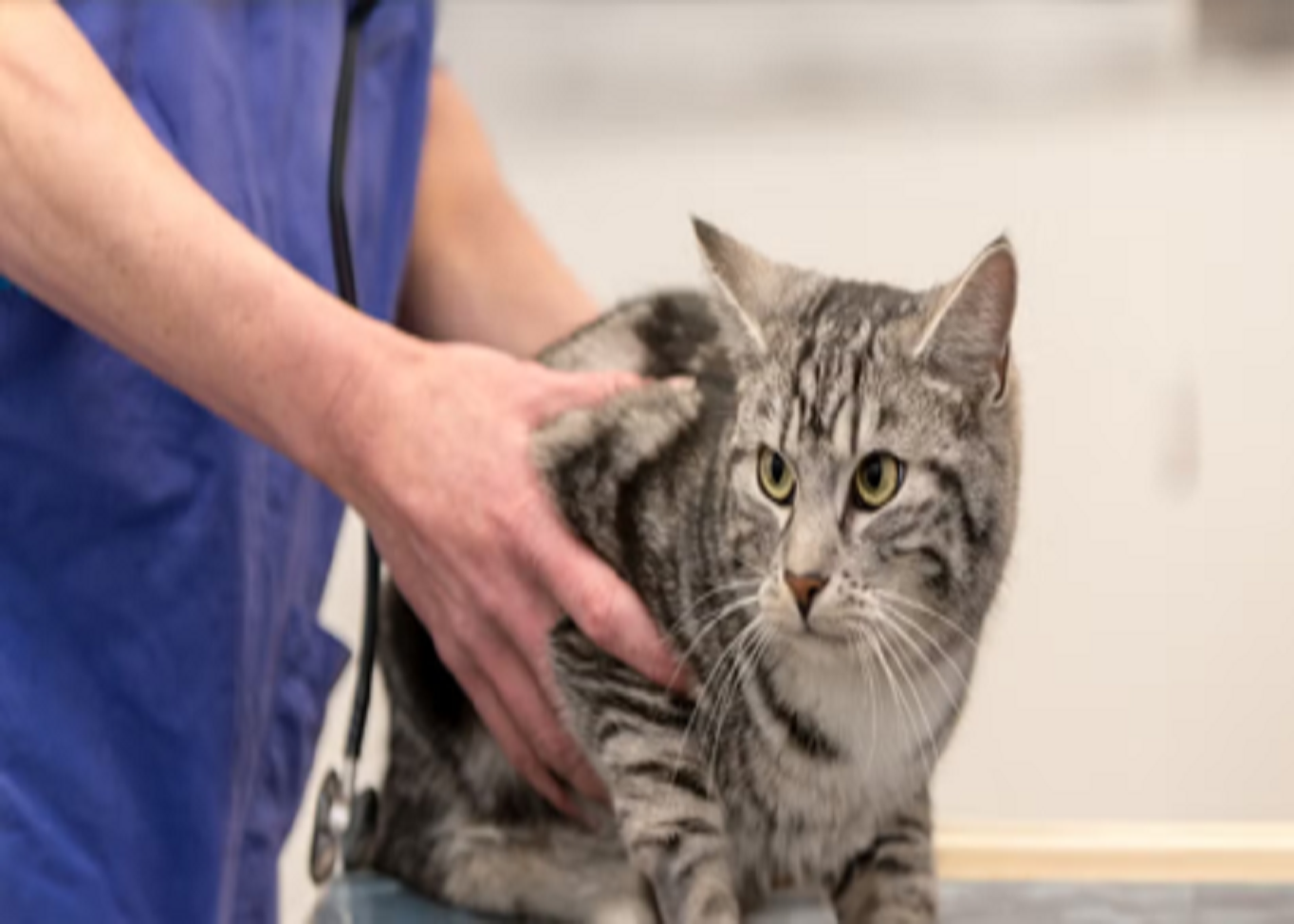
A cat with confirmed hyperthyroidism may be managed with long-term medication, an iodine-restricted diet, or a treatment intended to eliminate the abnormal thyroid tissue. Choosing the appropriate approach requires consideration of the cat’s age, concurrent conditions, treatment accessibility, and the owner’s preferences. The primary goals are to restore normal thyroid hormone levels, avoid hypothyroidism, and minimise treatment-associated complications[1].
Definitive Treatment: Radioiodine Therapy and Thyroidectomy
Radioiodine therapy (I-131) is a curative option that selectively targets overactive thyroid tissue while sparing adjacent parathyroid tissue. It can be administered orally, intravenously or subcutaneously. Most cats require a single administration, and more than 90% have been reported to achieve euthyroidism. A significant reduction in T4 levels may be observed within 30 days of treatment. Early intervention may also reduce the risk of cardiac complications associated with severe hyperthyroidism[1],[2].
Thyroidectomy is another curative approach, with a reported success rate above 90%. However, anaesthetic and surgical risks require consideration, particularly in cats with concurrent cardiac disease. Preoperative scintigraphy helps assess whether thyroid involvement is unilateral or bilateral and identify ectopic thyroid tissue. Bilateral thyroidectomy may require lifelong L-thyroxine supplementation, while damage to the parathyroid glands can cause potentially life-threatening hypocalcaemia. Staging bilateral surgery at a four-week interval may help reduce the risk of iatrogenic hypoparathyroidism[1],[3].
Medical Management and Dietary Therapy[1]
Antithyroid medication, commonly methimazole, inhibits thyroid hormone synthesis. It can be used for long-term management or to stabilise thyroid function before definitive treatment. Oral and transdermal formulations are available, although transdermal preparations have lower bioavailability and a slower onset of action. Regular thyroid and renal function monitoring is essential to assess treatment response and avoid iatrogenic hypothyroidism, which may contribute to azotaemia and reduced survival.
An iodine-restricted prescription diet offers a non-invasive alternative by limiting the iodine required for thyroid hormone production. However, some cats remain mildly hyperthyroid, and poor palatability may affect compliance. Dietary management also does not address the underlying thyroid tissue changes.
Clinical Takeaway: Radioiodine therapy and thyroidectomy offer definitive treatment, while medication and dietary management may suit cats in whom definitive options are unsuitable or declined. Treatment selection should account for comorbidities, monitoring requirements and the likelihood of achieving sustained euthyroidism.
References:
- van Zuiden B, Santarelli G, Galac S, Kooistra HS, Szatmári V. Cardiac Abnormalities in Feline Hyperthyroidism. Veterinary Sciences. 2025 Nov 23;12(12):1115. https://www.mdpi.com/2306-7381/12/12/1115
- Watson N, Murray JK, Fonfara S, Hibbert A. Clinicopathological features and comorbidities of cats with mild, moderate or severe hyperthyroidism: a radioiodine referral population. Journal of feline medicine and surgery. 2018 Dec;20(12):1130-7. https://journals.sagepub.com/doi/pdf/10.1177/1098612X18755925
- Peterson ME, Broome MR. Thyroid scintigraphy findings in 2096 cats with hyperthyroidism. Veterinary Radiology & Ultrasound. 2015 Jan;56(1):84-95. https://www.researchgate.net/profile/Mark-Peterson-28/publication/262027121
Related Contents
Article
Recognising Leptospirosis Across Animal Species: Clinical Presentations and Organ-Specific Changes
A dog presents with fever and systemic illness, while cattle experience reproductive failure without...
Article
Psychogenic Polydipsia in Dogs: Recognising Behavioural Triggers and Clinical Indicators
A dog presents with persistent excessive drinking and urination, yet its physical examination reveal...
Article
Diagnostic Approach to Canine PU/PD: Differentiating Primary Polydipsia from Primary Polyuria
Persistent excessive drinking and urination can be the presenting signs of several conditions in dog...
.jpg)
Upcoming Event
Culture-Guided Treatment of UTIs in Dogs and Cats
Make informed antibiotic choices in canine and feline UTIs with a culture-guided approach. Explore h...
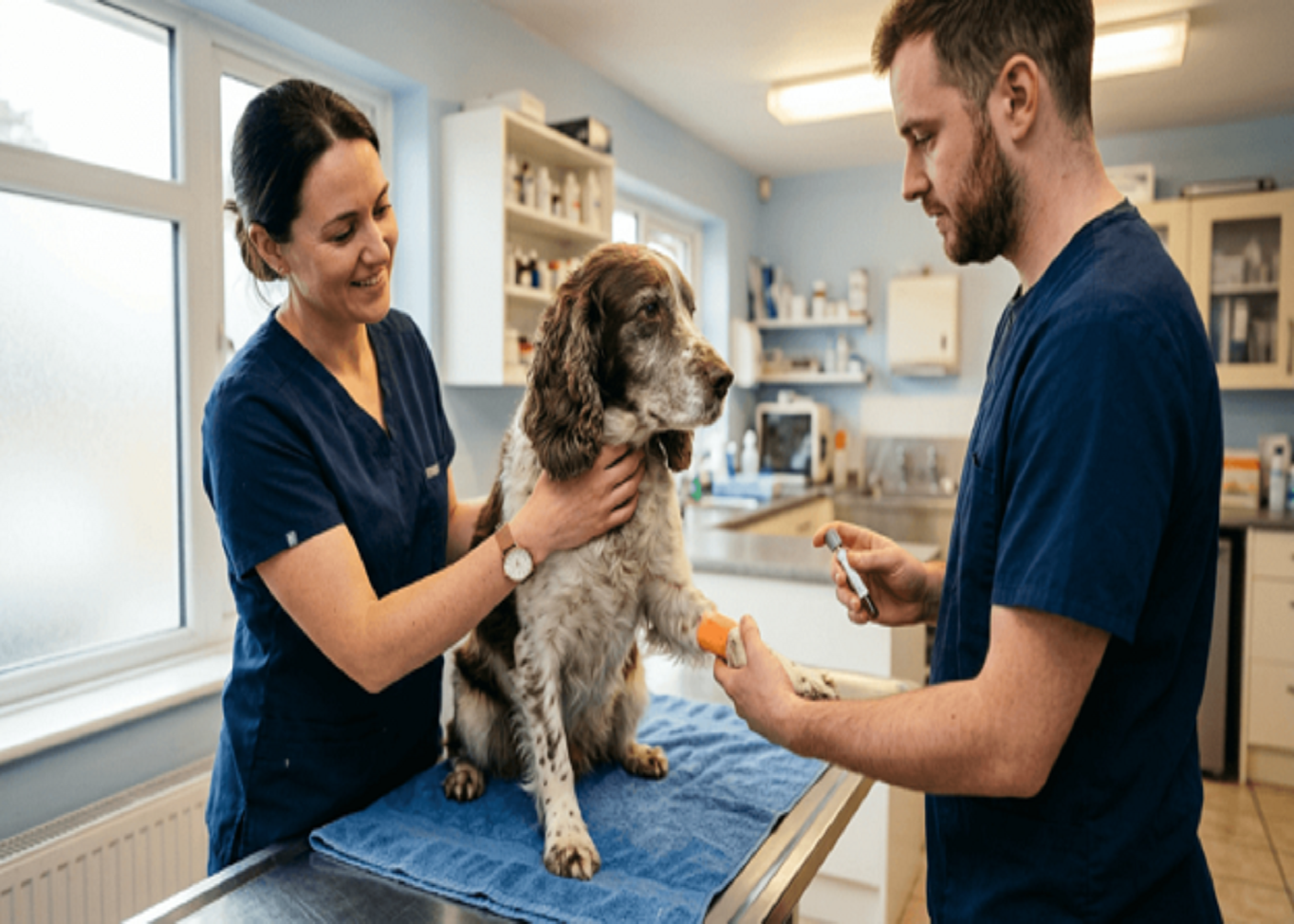
Article
Managing Psychogenic Polydipsia in Dogs: Water Intake, Behavioural Therapy and Pharmacological Intervention
Once psychogenic polydipsia (PPD) has been identified, management needs to address more than the vol...
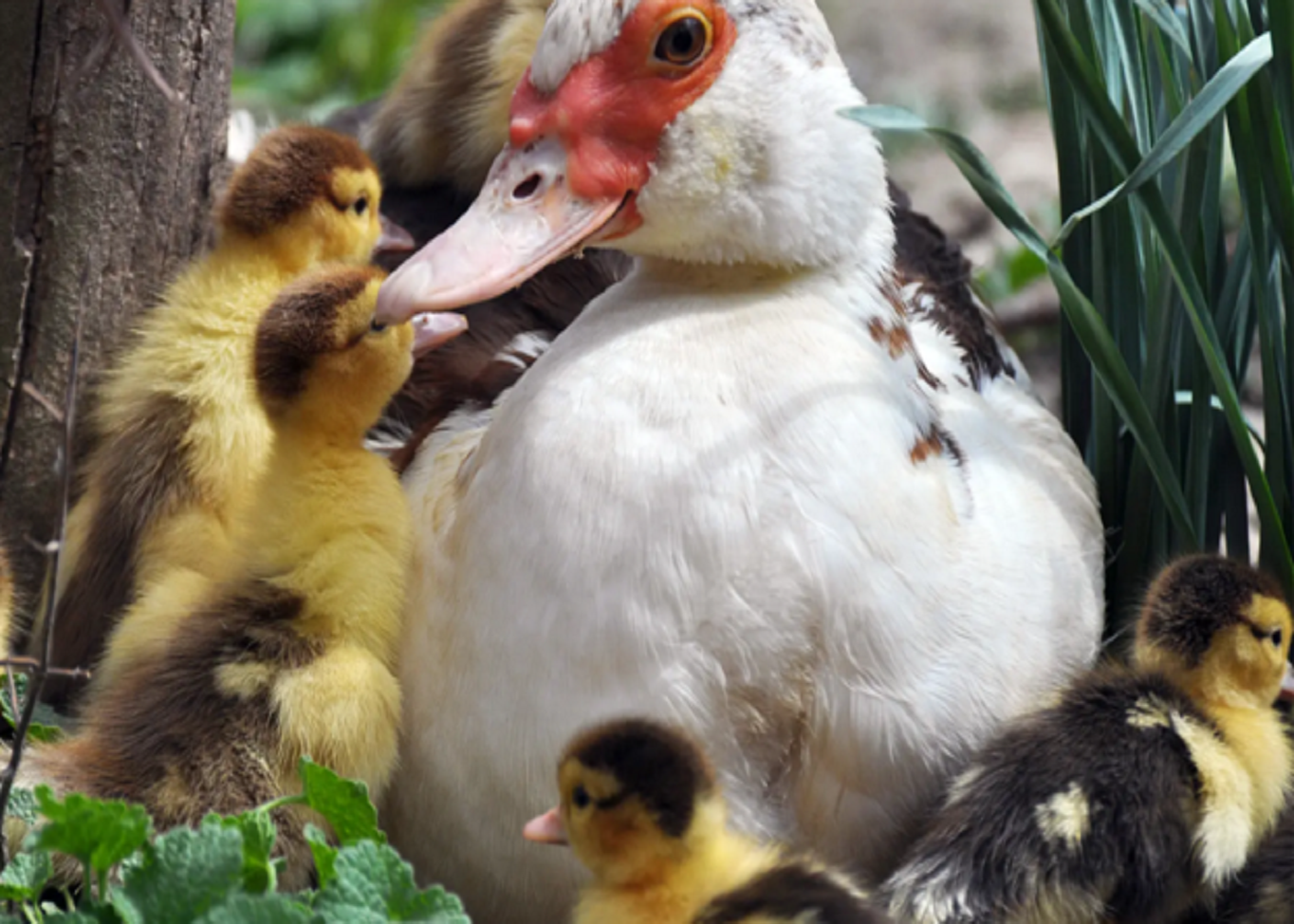
Article
Duck Viral Hepatitis in Ducklings: Clinical Recognition and Differential Diagnosis
A sudden rise in mortality among young ducklings, particularly those under three weeks of age, shoul...
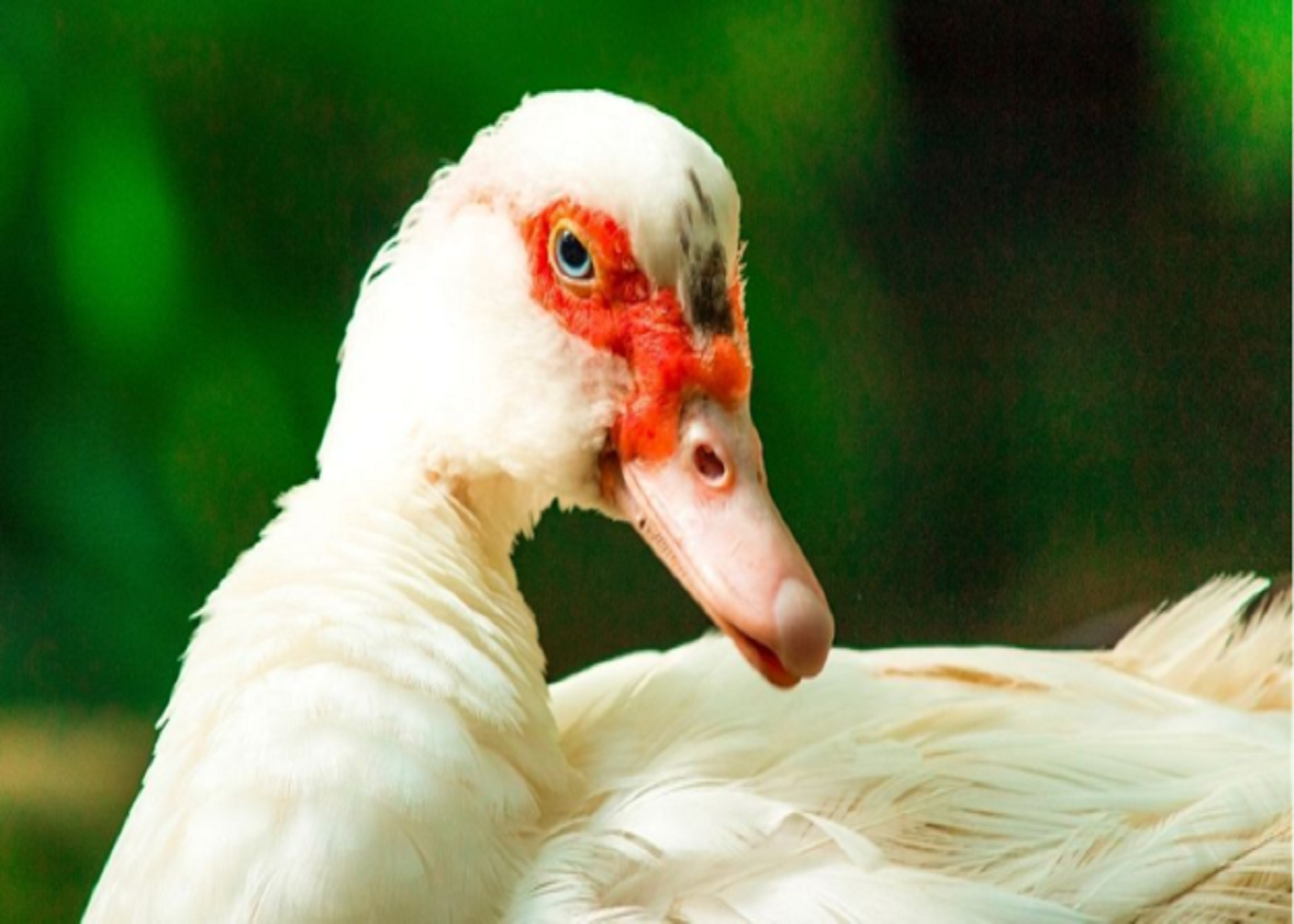
Article
Confirming Duck Viral Hepatitis: Choosing and Interpreting Diagnostic Tests
When young ducklings develop sudden mortality and liver lesions suggestive of duck viral hepatitis (...
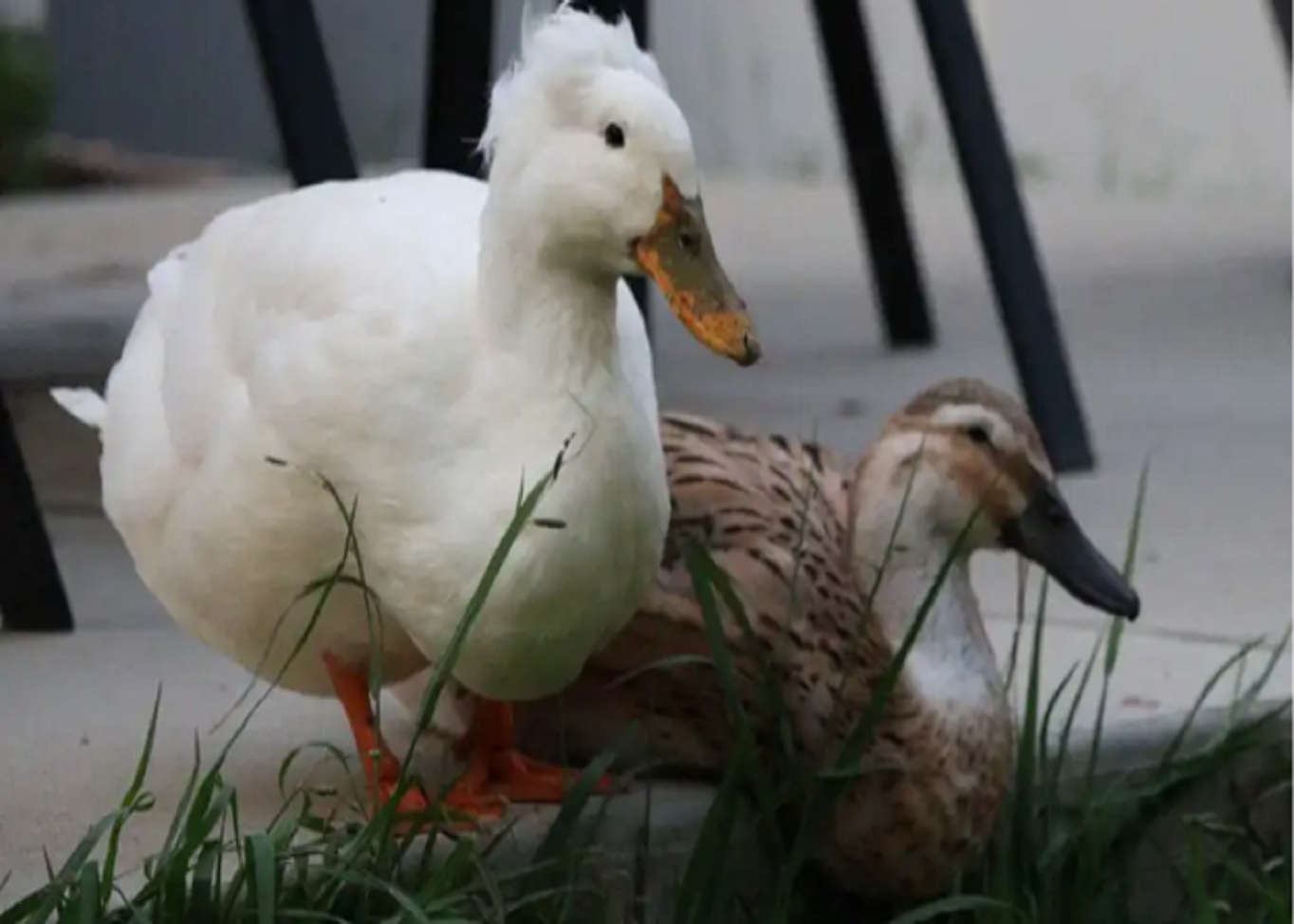
Article
Duck Viral Hepatitis Vaccination: Managing Maternal Antibody Interference and Field Efficacy
Vaccination is a key strategy for controlling Duck Viral Hepatitis (DVH), particularly in intensive...