Article
Antibiotic Therapy and Antimicrobial Stewardship in Porcine Proliferative Enteropathy
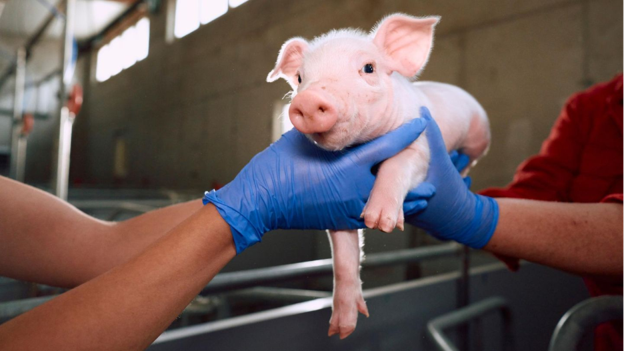
Antibiotics have long played an important role in controlling porcine proliferative enteropathy (PE), particularly during disease outbreaks and periods of increased infection pressure. However, successful treatment of Lawsonia intracellularis requires more than simply administering antimicrobials. The timing of therapy, disease dynamics within the herd, and the need to preserve antimicrobial efficacy all influence treatment outcomes. As antimicrobial stewardship becomes an increasingly important component of swine health management, veterinarians must balance effective disease control with responsible antimicrobial use1,2,3.
Understanding the Role of Antibiotics in PE
Antibiotics have traditionally been used in swine production for three purposes: therapeutic treatment, disease prevention, and growth promotion. Therapeutic and preventive applications involve relatively high doses administered over short periods to reduce disease occurrence, whereas growth-promoting use relies on low, subtherapeutic doses to improve growth performance and feed conversion efficiency1,2,3.
Historically, antimicrobial use has contributed to reduced morbidity and mortality while improving production efficiency, with reports suggesting that approximately 10–15% less feed may be required to achieve expected performance levels under certain production conditions4. Nevertheless, their use should always be guided by clinical need and herd-specific risk assessment.
Why Timing Matters
One of the biggest challenges in treating PE is that the disease does not occur uniformly across farms or even between production batches on the same farm. Consequently, antimicrobial timing has a significant influence on clinical outcomes5.
Administering in-feed antimicrobials too late may fail to adequately reduce clinical disease or improve production performance because intestinal damage has already progressed3,5.
Conversely, administering antimicrobials too early may suppress natural exposure to L. intracellularis. While this may temporarily delay infection, it can also prevent the development of natural immunity, leaving pigs immunologically naïve and potentially increasing their risk of developing the acute haemorrhagic form of proliferative enteropathy (PHE) following later exposure6.
This highlights the importance of tailoring antimicrobial programmes to individual herd infection patterns rather than relying on routine medication schedules.
Recognising the Limitations of Antibiotic Therapy
Although antibiotics remain valuable for disease management, they are not capable of eliminating L. intracellularis from infected herds. Medication of older pigs, including breeding stock, has not successfully eradicated infection, and attempts based on partial depopulation combined with antimicrobial treatment have largely been unsuccessful5.
These limitations reinforce that antimicrobial therapy should be viewed as one component of a broader disease-control programme rather than a standalone solution.
Antimicrobial Stewardship in Everyday Practice
The widespread and inappropriate use of antibiotics contributes to the emergence and dissemination of antimicrobial resistance. Resistance genes may develop in both pathogenic and commensal bacteria and can spread through animal populations, retail meat products, and the environment7,8,9.
Growing public health concerns have resulted in significant regulatory changes worldwide. The European Union prohibited the use of antibiotics as growth promoters in animal production in 20063. Similar restrictions have been implemented by the U.S. Food and Drug Administration for medically important antimicrobials, while China has also prohibited growth-promoting pharmaceutical feed additives3.
For practicing veterinarians, antimicrobial stewardship involves selecting antibiotics only when clinically justified, using appropriate timing and treatment duration, and integrating antimicrobial therapy with vaccination, nutrition, biosecurity, and husbandry practices to minimise disease recurrence and reduce reliance on routine medication3.
Moving Towards Integrated Disease Control
Because PE is influenced by pathogen exposure, management practices, nutrition, and herd immunity, long-term disease control requires a comprehensive strategy. Vaccination, improved hygiene, nutritional interventions, and effective biosecurity can reduce infection pressure and help decrease antimicrobial dependence without compromising herd health5.
Antibiotics therefore remain an important therapeutic tool, but their greatest value is achieved when incorporated into an integrated herd health programme that supports both animal welfare and responsible antimicrobial use.
Clinical Pearl
Antibiotic therapy for porcine proliferative enteropathy is most effective when it is strategically timed and integrated with herd-level disease management. Delayed treatment may fail to limit disease progression, while unnecessarily early medication may interfere with natural immunity and increase susceptibility to later clinical disease. Judicious antimicrobial use, combined with vaccination, nutrition, and biosecurity, remains the most sustainable approach for managing Lawsonia intracellularis infections.
References
- Beyene T. Veterinary drug residues in food-animal products: its risk factors and potential effects on public health. Journal of Veterinary Science & Technology. 2015;7(01). https://www.academia.edu/download/51757555/Veterinary_Drug_Residues_in_Food-animal_Products_Its_Risk_Factors_and_potential_effects_on_public_health.pdf
- Rushton J. Anti‐microbial use in animals: how to assess the trade‐offs. Zoonoses and public health. 2015 Apr;62:10-21. https://onlinelibrary.wiley.com/doi/pdfdirect/10.1111/zph.12193
- Gómez-Osorio LM, Penagos-Tabares F, Bosnjak-Neumuller J, Guedes RM, Vasiljevic M, Steiner T, McOrist S. Porcine proliferative enteropathy: overview of disease dynamics and non-antibiotic alternatives for prevention and control strategies. Frontiers in Veterinary Science. 2025 Nov 7;12:1596316. https://www.frontiersin.org/journals/veterinary-science/articles/10.3389/fvets.2025.1596316/pdf
- Hao H, Cheng G, Iqbal Z, Ai X, Hussain HI, Huang L, Dai M, Wang Y, Liu Z, Yuan Z. Benefits and risks of antimicrobial use in food-producing animals. Frontiers in microbiology. 2014 Jun 12;5:288. https://www.frontiersin.org/journals/microbiology/articles/10.3389/fmicb.2014.00288/pdf
- Karuppannan AK, Opriessnig T. Lawsonia intracellularis: revisiting the disease ecology and control of this fastidious pathogen in pigs. Frontiers in veterinary science. 2018 Aug 9;5:181. https://www.frontiersin.org/journals/veterinary-science/articles/10.3389/fvets.2018.00181/full
- Vannucci FA, Gebhart CJ, McOrist S. Proliferative enteropathy. Diseases of swine. 2019 Jun 3:898-911. https://www.academia.edu/download/60674736/Diseases_of_Swine__11th_Edition_VetBooks.ir20190922-31639-a6z8g5.pdf#page=922
- Patel SJ, Wellington M, Shah RM, Ferreira MJ. Antibiotic stewardship in food-producing animals: challenges, progress, and opportunities. Clinical therapeutics. 2020 Sep 1;42(9):1649-58. https://www.clinicaltherapeutics.com/article/S0149-2918(20)30338-6/pdf
- Ghimpețeanu OM, Pogurschi EN, Popa DC, Dragomir N, Drăgotoiu T, Mihai OD, Petcu CD. Antibiotic use in livestock and residues in food—A public health threat: A review. Foods. 2022 May 16;11(10):1430. https://www.mdpi.com/2304-8158/11/10/1430
- Skandalis N, Maeusli M, Papafotis D, Miller S, Lee B, Theologidis I, Luna B. Environmental spread of antibiotic resistance. Antibiotics. 2021 May 27;10(6):640. https://www.mdpi.com/2079-6382/10/6/640
Related Contents

Article
Camel Tuberculosis: Clinical Signs and Pathological Lesions
A camel may appear clinically normal despite having substantial pulmonary lesions. Conve...
.jpg)
Upcoming Event
World Animal Day
World Animal Day highlights the importance of protecting animal health and welfare through responsib...
Video
Rabies: Epitome of the One Health Paradigm
Rabies exemplifies the One Health approach, linking animal health, human health, veterinary services...
Video
One Health Webinar on Important Updates on Rabies for Veterinary Practitioners and Students
Rabies remains a major zoonotic disease requiring vigilance across veterinary practice and public he...
.jpg)
Video
Transjugular Removal of Canine Heartworms: A Clinical and Surgical Overview
Transjugular removal of canine heartworms is a specialized intervention used in selected dogs with s...

Article
Feline Pregnancy Endocrinology: Hormonal Changes and Placental Function
Pregnancy in cats involves a distinctive endocrine pattern in which ovarian and placental hormones w...

Article
Hormonal Control of Pregnancy Termination in Cats
Pregnancy maintenance in cats depends strongly on coordinated hormonal support, particularly progest...

Article
Feline Embryo Implantation and Early Placental Development
Pregnancy establishment in cats involves a sequence of precisely timed events between fertilization,...