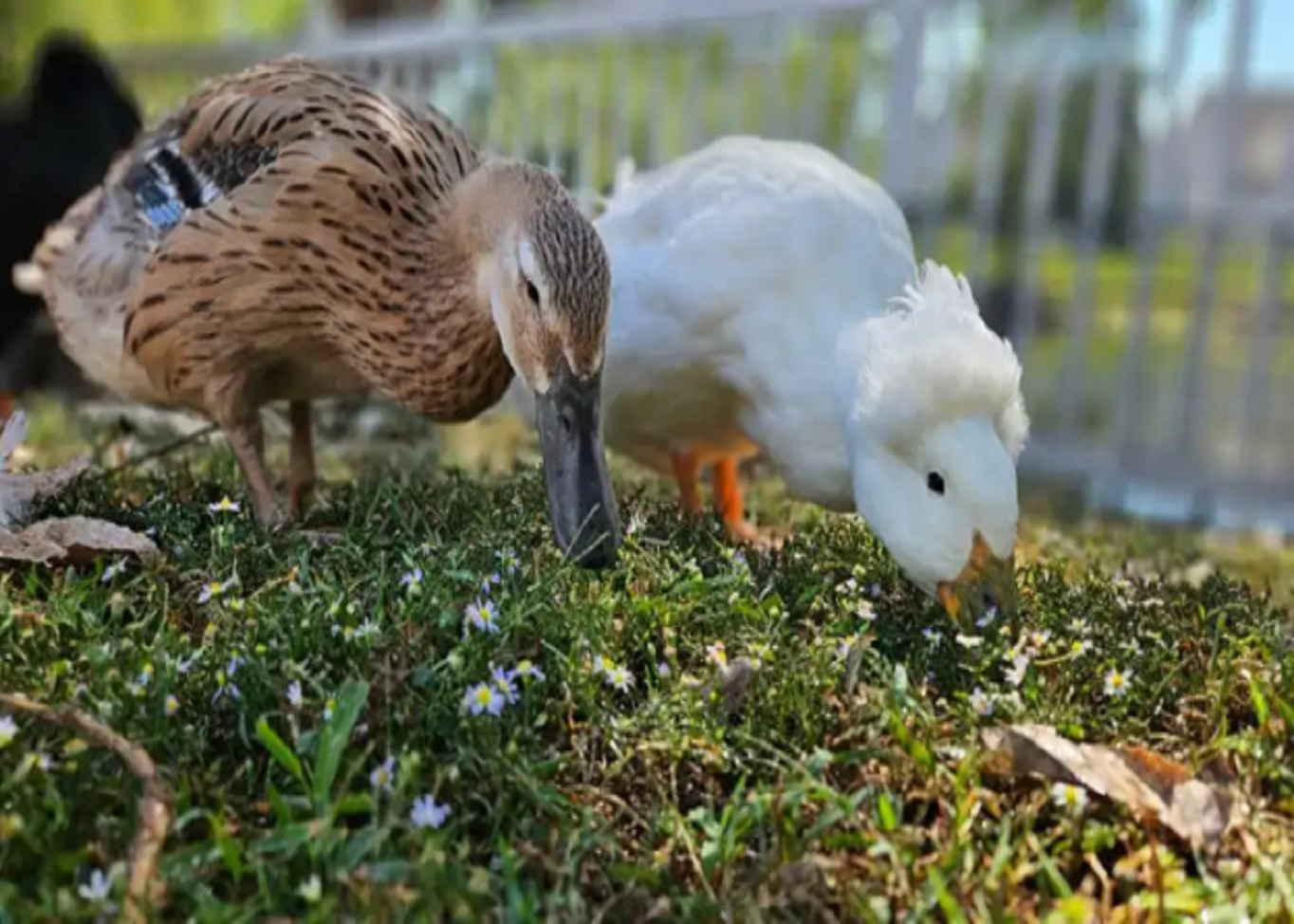
Article
Controlling Duck Viral Hepatitis Outbreaks Through Farm Biosecurity and Management
Duck Viral Hepatitis (DVH) can spread rapidly through susceptible duck populations, making prevention and early outbreak response essential. Control measures aim to prevent Duck Hepatitis A Virus (DHAV) from entering the farm and interrupt its transmission within the flock. Since the disease can progress quickly and cause high mortality, relying on a single intervention is insufficient[1].
Strengthening Farm Biosecurity[1],[2],[3]
Strict biosecurity is central to limiting DHAV introduction and spread. Access to duck pens should be restricted, with dedicated clothing and footwear for employees. Vehicles and equipment require routine disinfection, as contaminated objects can mechanically transfer the virus between rearing units.
The movement of people and goods also needs to be regulated. Uncontrolled traffic between pens or farm units can create opportunities for infectious agents to enter and spread across the production system.
Managing Flock Density and Production Cycles[1],[2]
High stocking density increases contact between ducks and can accelerate transmission. Regulating the number of birds per pen helps reduce contact and infection pressure.
An all-in, all-out production system can further interrupt the infection cycle. Pens are emptied between production batches and thoroughly cleaned and disinfected before new duck populations are introduced. This provides an opportunity to reduce environmental contamination between flocks.
Maintaining Clean Housing, Feed and Water[1]
Environmental management is another important component of DVH prevention. Drinking water, feed and litter should be kept clean to minimise contamination. Feed requires dry storage to prevent contamination with virus-containing faecal matter, while water sources should remain uncontaminated.
Adequate ventilation helps reduce humidity within duck housing. This is relevant because humid conditions may contribute to the environmental persistence of DHAV.
Surveillance and Outbreak Response[1]
Daily mortality monitoring, clinical observation and laboratory testing of suspected cases support early detection of DVH outbreaks. Prompt identification allows control measures to be introduced before infection spreads further.
When an outbreak occurs, affected groups should be isolated, disinfection intensified and movement between pens restricted. Selective depopulation may be considered in certain situations to reduce environmental viral load and interrupt transmission.
Clinical Takeaway
Effective DVH control requires coordinated farm-level measures rather than dependence on vaccination alone. Biosecurity, appropriate stocking density, clean housing, surveillance, and rapid outbreak response work together to limit DHAV transmission and reduce the risk of recurring infections.
References:
- Nuradji H, Khairullah AR, Dharmayanti NL, Wiyono A, Noor SM, Saepulloh M, Adji RS, Ekawasti F, Fauziah I, Prihandani SS, Nurjanah D. Duck hepatitis A virus (DHAV): Pathogenesis, diagnosis, prevention, and control in duck production systems. Open Veterinary Journal. 2026 Sep 1;16(9):5905. https://www.researchgate.net/profile/Sutiastuti-Wahyuwardani-4/publication/413903277
- Lei S, Yang Y, Zhao C, Liu A, He P. Innovative approaches to combat duck viral hepatitis: dual-specific anti-DHAV-1 and DHAV-3 yolk antibodies. Vaccines. 2025 Feb 2;13(2):154. https://www.mdpi.com/2076-393X/13/2/154
- Huang M, Shuo D, Xiong Y, Tang M, Wang Y, Pan X, Yuan C, Liu Q, Zhang Z, Teng Q, Xu B. Isolation and characterization of a duck hepatitis A virus type 3 SH52 strain in ducklings. Microorganisms. 2025 Nov 22;13(12):2652. https://www.mdpi.com/2076-2607/13/12/2652
Related Contents
Article
Recognising Leptospirosis Across Animal Species: Clinical Presentations and Organ-Specific Changes
A dog presents with fever and systemic illness, while cattle experience reproductive failure without...
Article
Psychogenic Polydipsia in Dogs: Recognising Behavioural Triggers and Clinical Indicators
A dog presents with persistent excessive drinking and urination, yet its physical examination reveal...
Article
Diagnostic Approach to Canine PU/PD: Differentiating Primary Polydipsia from Primary Polyuria
Persistent excessive drinking and urination can be the presenting signs of several conditions in dog...
.jpg)
Upcoming Event
Culture-Guided Treatment of UTIs in Dogs and Cats
Make informed antibiotic choices in canine and feline UTIs with a culture-guided approach. Explore h...
Article
Managing Psychogenic Polydipsia in Dogs: Water Intake, Behavioural Therapy and Pharmacological Intervention
Once psychogenic polydipsia (PPD) has been identified, management needs to address more than the vol...
Article
Duck Viral Hepatitis in Ducklings: Clinical Recognition and Differential Diagnosis
A sudden rise in mortality among young ducklings, particularly those under three weeks of age, shoul...
Article
Confirming Duck Viral Hepatitis: Choosing and Interpreting Diagnostic Tests
When young ducklings develop sudden mortality and liver lesions suggestive of duck viral hepatitis (...
Article
Duck Viral Hepatitis Vaccination: Managing Maternal Antibody Interference and Field Efficacy
Vaccination is a key strategy for controlling Duck Viral Hepatitis (DVH), particularly in intensive...