Article
PCV2 Transmission and Disease Risk Factors: Understanding Farm-Level Drivers of Infection
Porcine Circovirus type 2 (PCV2) continues to challenge swine production because infection does not always result in the same clinical outcome across farms. While PCV2 is the primary agent associated with Porcine Circovirus-Associated Disease (PCVAD), the severity and expression of disease depend on multiple interacting factors, including viral characteristics, host susceptibility, co-infections, immune status, and farm management conditions1.
For practicing veterinarians, understanding how PCV2 spreads and identifying factors that increase disease risk are essential for developing effective herd-level control strategies. Transmission pathways, environmental persistence, and farm conditions all influence how infection circulates within a production system.
Transmission Pathways of PCV2
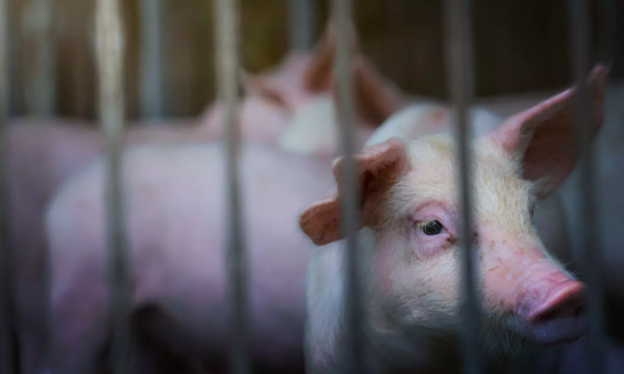
PCV2 spreads through both horizontal and vertical transmission routes. Direct contact between pigs is considered one of the most efficient transmission methods because infected animals shed the virus through respiratory, digestive, and urinary secretions.
The ability of PCV2 to remain viable under environmental conditions also contributes to its persistence within farms. Indirect transmission may occur through contaminated equipment, surfaces, personnel, and other fomites. Under certain conditions, airborne spread may also contribute to virus movement between animals2.
Maintaining strict hygiene practices and controlling animal movement are therefore important components of reducing PCV2 exposure within production units.
Vertical and Semen-Associated Transmission
Maternal transmission plays an important role in maintaining PCV2 circulation within herds. The virus can be transmitted from infected sows to piglets during pregnancy or through colostrum. Although maternal antibodies may reduce circulating virus levels, they do not completely prevent the establishment of infection in piglets1.
Boar semen can also contain PCV2 DNA, creating a potential risk, particularly in breeding operations using artificial insemination. Although viral levels in semen may be lower compared with other body fluids, detection of PCV2 highlights the importance of considering semen as a possible transmission pathway1.
Experimental findings have also demonstrated that consumption of infected tissues, such as lymph nodes or muscle, can transmit PCV2 infection. This emphasizes the importance of appropriate carcass handling and biosecurity practices to limit exposure risks3.
Viral Factors Influencing Disease Development
Changes within the PCV2 population contribute to differences in disease severity. PCV2 has evolved through multiple genotypes, including PCV2a, PCV2b, and PCV2d, with genotype shifts associated with changes in clinical disease patterns4.
Although different PCV2 genotypes share high genetic similarity, specific mutations, particularly within the capsid gene, may influence viral behavior and immune interaction. Certain genetic changes can affect the ability of the virus to evade host immune responses and contribute to increased disease severity1.
Host Susceptibility and Co-infections
Not all pigs respond similarly to PCV2 infection. Genetic background can influence susceptibility, with differences observed among breeds in their response to PCVAD. Landrace and Large White pigs have shown greater susceptibility to clinical PCVAD compared with Duroc pigs, highlighting the role of host-related factors in disease expression1.
Co-infections are among the most important contributors to severe PCVAD. Pathogens such as Porcine Reproductive and Respiratory Syndrome Virus (PRRSV), Porcine Parvovirus (PPV), Mycoplasma hyopneumoniae, and swine influenza virus can worsen disease progression by altering immune responses and increasing tissue damage1.
PRRSV co-infection has been associated with increased PCVAD risk, particularly in high-density farming environments where exposure to multiple pathogens is more likely5.
Environmental and Management Factors
Farm conditions strongly influence PCV2 transmission dynamics. Poor ventilation, high humidity, overcrowding, and inadequate hygiene can increase viral spread and worsen clinical outcomes.
Management practices that reduce environmental contamination and stress can support better control. Regular cleaning of pens, isolation of affected animals, appropriate disinfectant use, and improved farm biosecurity can reduce viral load and limit transmission6.
Practical Clinical Insights
When investigating PCVAD problems, veterinarians should evaluate:
- Transmission pathways within the herd, including animal movement and breeding practices.
- Presence of co-infections that may increase disease severity.
- Environmental conditions contributing to viral persistence.
- Differences in susceptibility among groups of animals.
Understanding the factors that influence PCV2 infection allows veterinarians to move from treating individual cases toward identifying herd-level drivers of disease. A comprehensive evaluation of transmission routes and risk factors is essential for improving PCVAD control programs.
References
- Borah D, Hazarika R, Hazarika G, Saikia DP, Mili P, Bappu HP, Islam I, Barua J, Brahma D, George S. Porcine circovirus diseases: current insights and future strategies for effective Control, with a focus on Porcine circovirus 2 (PCV2). Microbiol Res J Int. 2024 Dec 30;34(12):283-98. https://www.researchgate.net/publication/387723361
- López-Lorenzo G, Díaz-Cao JM, Prieto A, López-Novo C, López CM, Díaz P, Rodríguez-Vega V, Díez-Baños P, Fernández G. Environmental distribution of Porcine Circovirus Type 2 (PCV2) in swine herds with natural infection. Scientific reports. 2019 Oct 15;9(1):14816. https://www.nature.com/articles/s41598-019-51473-6.pdf
- Maity HK, Samanta K, Deb R, Gupta VK. Revisiting porcine circovirus infection: recent insights and its significance in the piggery sector. Vaccines. 2023 Jul 31;11(8):1308. https://www.mdpi.com/2076-393X/11/8/1308
- Dei Giudici S, Mura L, Bonelli P, Hawko S, Angioi PP, Sechi AM, Denti S, Sulas A, Burrai GP, Madrau MP, Antuofermo E. Evidence of porcine circovirus type 2 (PCV2) genetic shift from PCV2b to PCV2d genotype in Sardinia, Italy. Viruses. 2023 Oct 26;15(11):2157. https://www.mdpi.com/1999-4915/15/11/2157
- Vargas-Bermudez DS, Diaz A, Polo G, Mogollon JD, Jaime J. Infection and coinfection of porcine-selected viruses (PPV1 to PPV8, PCV2 to PCV4, and PRRSV) in gilts and their associations with reproductive performance. Veterinary Sciences. 2024 Apr 24;11(5):185. https://www.mdpi.com/2306-7381/11/5/185
- Galindo-Barboza AJ, Rivera-Benítez JF, De la Luz-Armendáriz J, Sánchez-Betancourt JI, Hernández J, Sauceda-Cerecer SG, De Alba-Campos JE. Molecular Positivity of Porcine Circovirus Type 2 Associated with Production Practices on Farms in Jalisco, Mexico. Viruses. 2024 Oct 19;16(10):1633. https://www.mdpi.com/1999-4915/16/10/1633
Related Contents
Article
Camel Tuberculosis: Clinical Signs and Pathological Lesions
A camel may appear clinically normal despite having substantial pulmonary lesions. Conve...
.jpg)
Upcoming Event
World Animal Day
World Animal Day highlights the importance of protecting animal health and welfare through responsib...
Video
Rabies: Epitome of the One Health Paradigm
Rabies exemplifies the One Health approach, linking animal health, human health, veterinary services...
Video
One Health Webinar on Important Updates on Rabies for Veterinary Practitioners and Students
Rabies remains a major zoonotic disease requiring vigilance across veterinary practice and public he...
.jpg)
Video
Transjugular Removal of Canine Heartworms: A Clinical and Surgical Overview
Transjugular removal of canine heartworms is a specialized intervention used in selected dogs with s...

Article
Feline Pregnancy Endocrinology: Hormonal Changes and Placental Function
Pregnancy in cats involves a distinctive endocrine pattern in which ovarian and placental hormones w...

Article
Hormonal Control of Pregnancy Termination in Cats
Pregnancy maintenance in cats depends strongly on coordinated hormonal support, particularly progest...

Article
Feline Embryo Implantation and Early Placental Development
Pregnancy establishment in cats involves a sequence of precisely timed events between fertilization,...