.jpg)
Upcoming Event
Emerging Tick-Borne Diseases in Dogs and Cats
Tick-borne diseases are an increasing concern in companion animal practice due to changing vector distribution, climate variability, urbanization, and greater movement of pets across regions. In dogs and cats, infections caused by organisms such as Ehrlichia, Anaplasma, Babesia, Hepatozoon, and Borrelia can present with a wide range of clinical manifestations, often making diagnosis challenging. Early recognition depends on a thorough understanding of epidemiology, risk factors, clinical presentation, hematological and biochemical abnormalities, and appropriate laboratory testing. Effective tick control, timely diagnosis, targeted therapy, and preventive healthcare remain essential for reducing disease burden and improving outcomes in companion animals.
Related Contents

Upcoming Event
ECG Interpretation Made Easy for Small Animal Practitioners
Electrocardiography (ECG) is an essential diagnostic tool in small animal practice, yet many clinici...
Upcoming Event
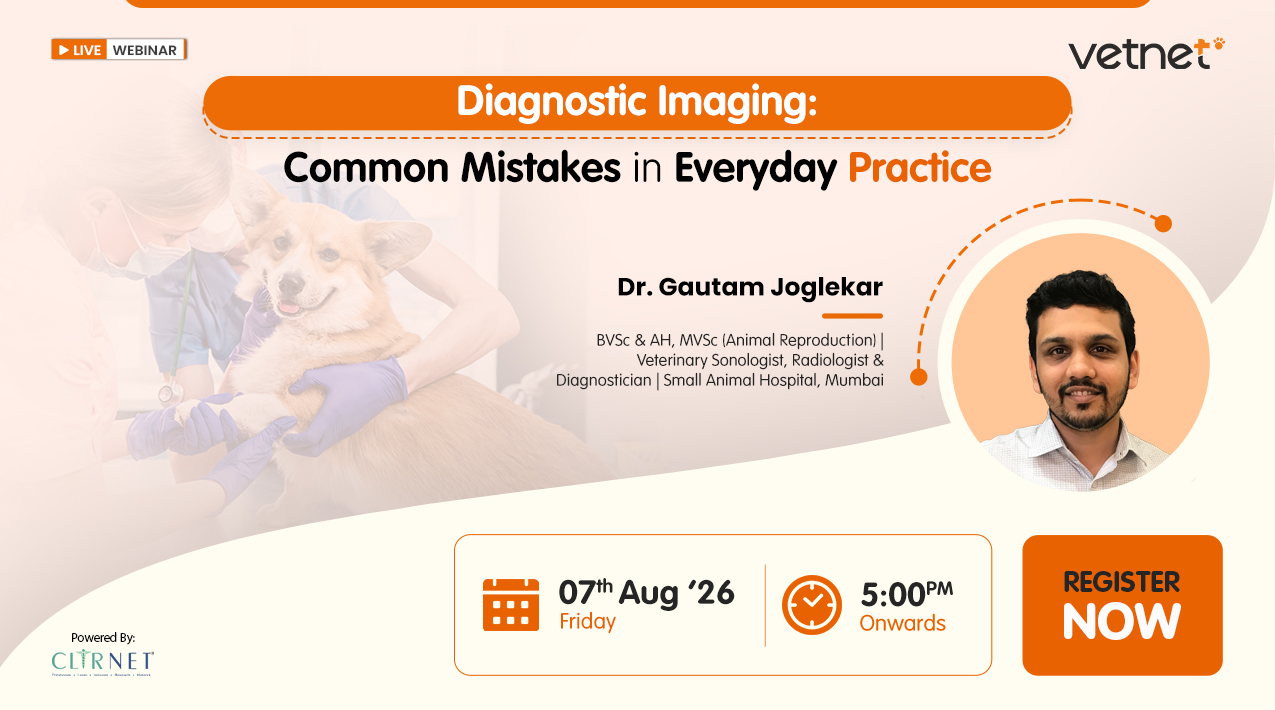
Diagnostic Imaging: Common Mistakes in Everyday Practice
Diagnostic imaging is an indispensable tool in veterinary practice, supporting the diagnosis of a wi...
 Subhasis Batabyal 2 (1).jpg)
Upcoming Event
Clinical Biochemistry and Veterinary Practice: Recent Trends in Veterinary Laboratory Diagnosis
Clinical biochemistry plays a pivotal role in modern veterinary diagnostics by providing objective i...

Upcoming Event
Emergency Drugs Every Veterinarian Should Know
Timely administration of the right emergency drug can make the difference between life and death in...

Upcoming Event
Obesity Management: Building Successful Weight Loss Programs in Dogs
Canine obesity is one of the most common nutritional disorders encountered in veterinary practice an...
.jpg)
Upcoming Event
Approach to Kidney and Liver Injury
Kidney and liver injuries require timely recognition and a structured diagnostic approach. Explore p...
Upcoming Event
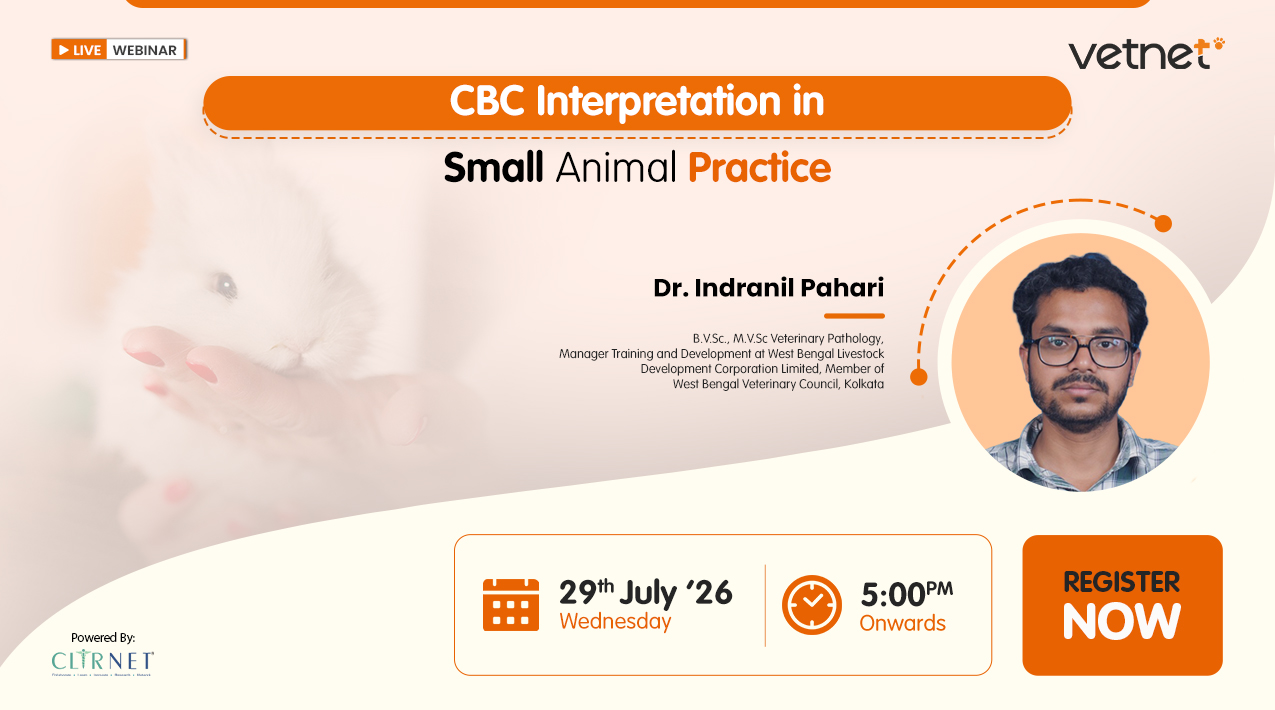
CBC Interpretation in Small Animal Practice
A complete blood count (CBC) is one of the most valuable diagnostic tools in small animal practice....
Upcoming Event
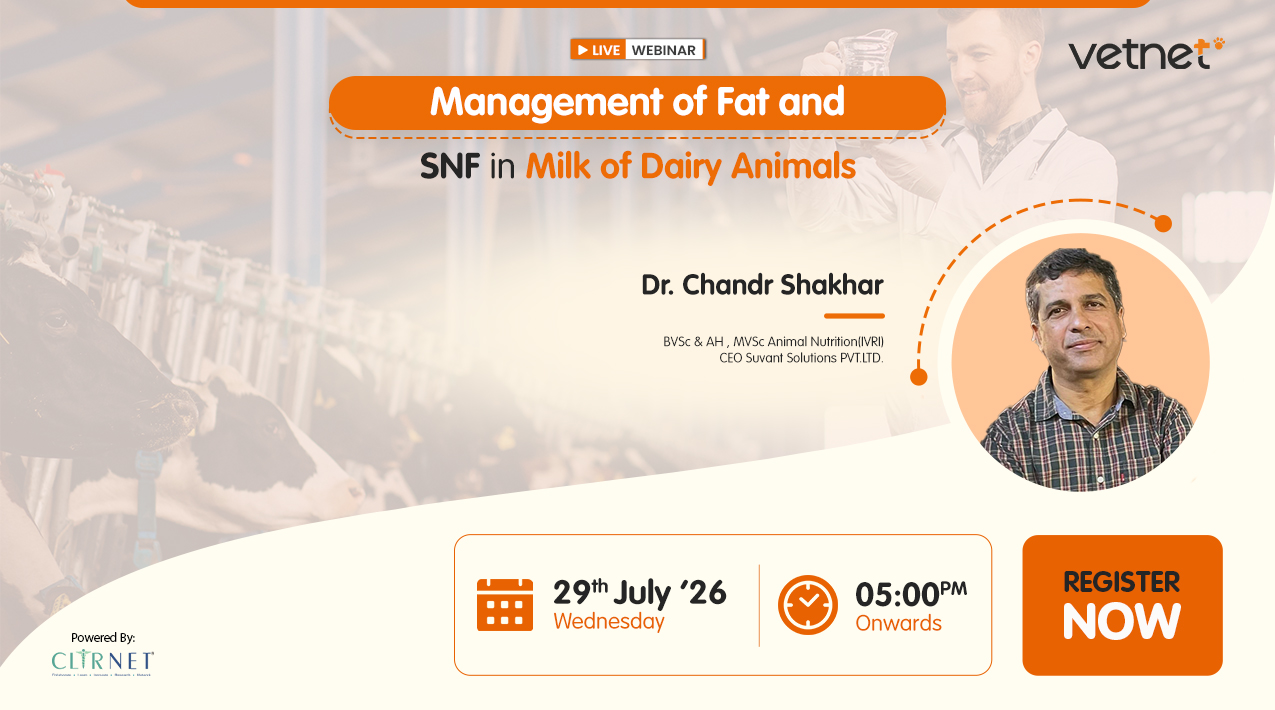
Management of Fat and SNF in Milk of Dairy Animals
Milk fat and solids-not-fat (SNF) are key indicators of milk quality, nutritional value, and economi...