Video
Lactose intolerance in dogs A Fact or A Myth
Lactose intolerance in dogs is often misunderstood in everyday practice. While many pet owners believe all dogs can safely consume milk, gastrointestinal disturbances after dairy intake are frequently reported. This session breaks down the science behind lactose digestion in dogs, explains why some dogs develop intolerance after weaning, and helps differentiate between lactose intolerance and milk allergy.
Designed for veterinary students and junior practitioners, the webinar focuses on recognising clinical signs, taking a proper dietary history, advising clients appropriately, and managing mild to moderate cases in clinical settings. Practical feeding guidance, common myths, and real-world case insights make this session highly relevant for small animal practice.
To know more, download this article
https://www.veterinarypaper.com/pdf/2025/vol10issue6/PartB/10-6-11-854.pdf
Related Contents
Article
FGF-23 in Feline CKD: An Early Signal of Phosphate Dysregulation
A cat with early chronic kidney disease (CKD) may have a normal serum phosphate concentration. Does...
Article
Albuminuria or Transferrinuria? Reading the Glomerular Signal in Feline CKD
A cat can have chronic kidney disease (CKD) with only mild proteinuria. So, when urinary protein is...
Article
Tubular Injury Biomarkers in Feline CKD: What Can NGAL, KIM-1 and L-FABP Tell You?
When feline CKD is already suspected, identifying reduced renal function is only part of the clinica...
Article
Can Renal Fibrosis Biomarkers Reveal CKD Progression in Cats?
Chronic kidney disease in cats is not only a problem of declining renal function. Structural changes...
Article
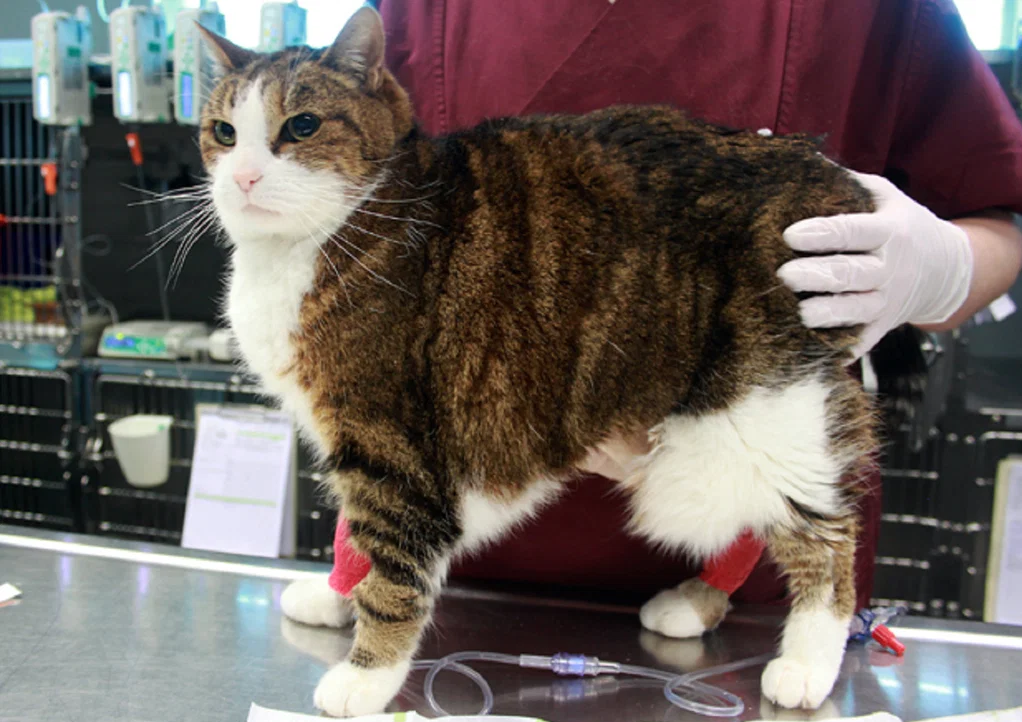
When Creatinine May Not Tell the Full Story in Feline Acute Kidney Injury
Serum creatinine is routinely used with changes in urine output to diagnose and grade Acute Kidney I...
Article
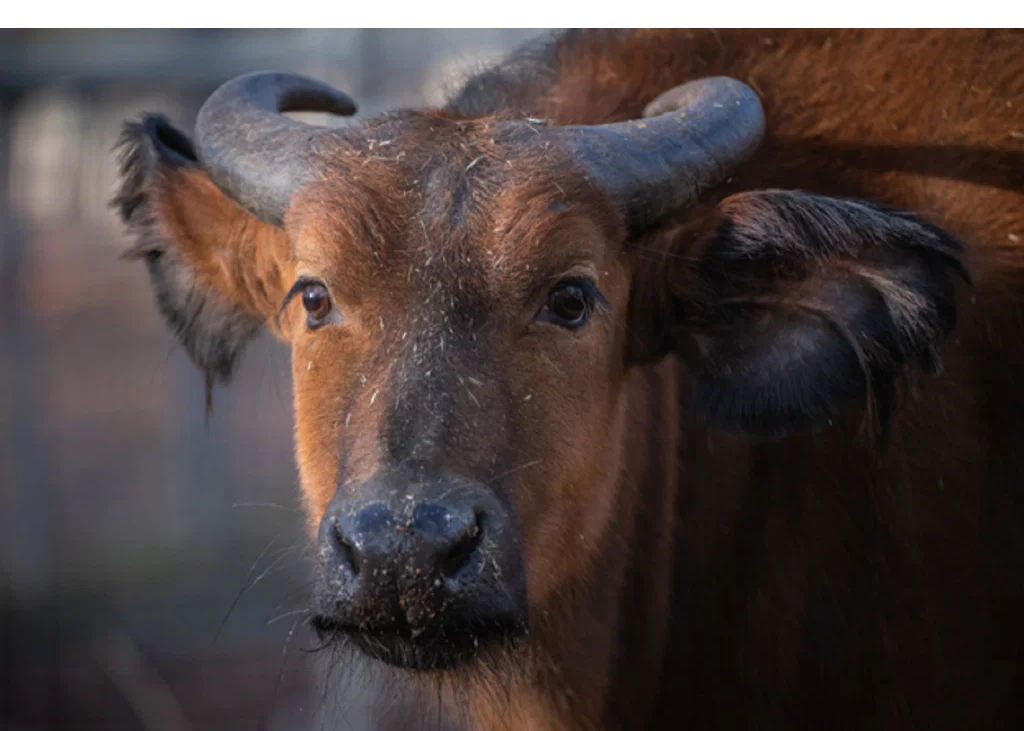
When a Normal-Looking Udder Hides Mastitis: Recognising Subclinical Mastitis in Buffaloes
A buffalo can appear clinically normal while mastitis is already affecting the udder and milk produc...
Article
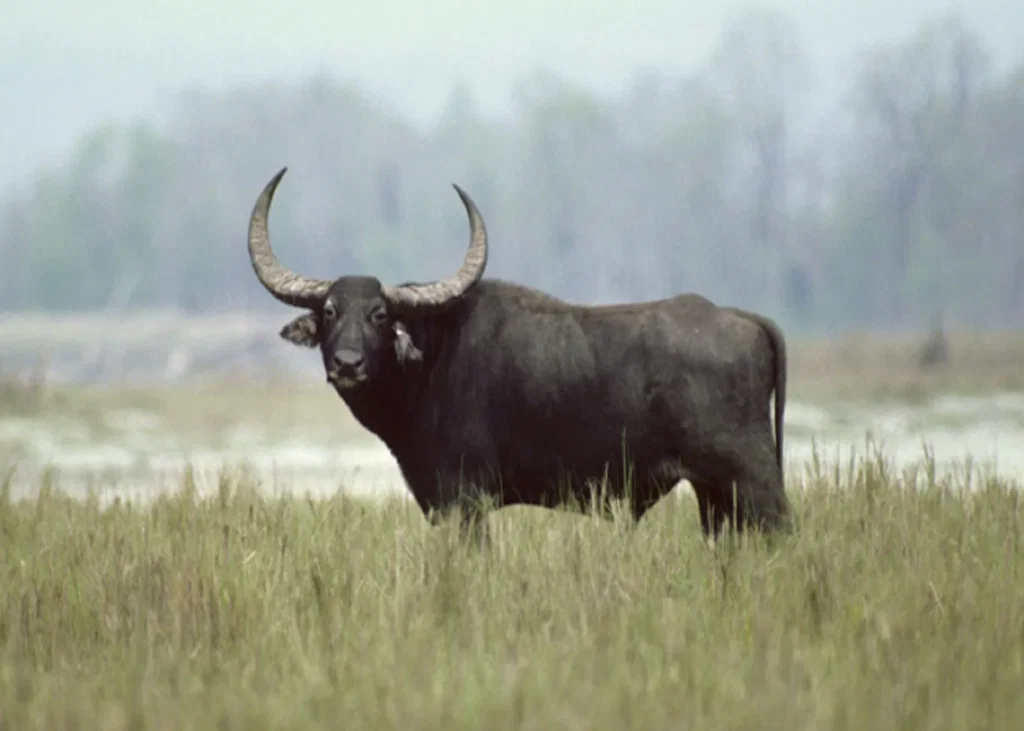
Buffalo Subclinical Mastitis: Which Risk Factors Should Vets Investigate?
When subclinical mastitis (SCM) keeps appearing in a buffalo herd, looking only at the affected anim...
Article
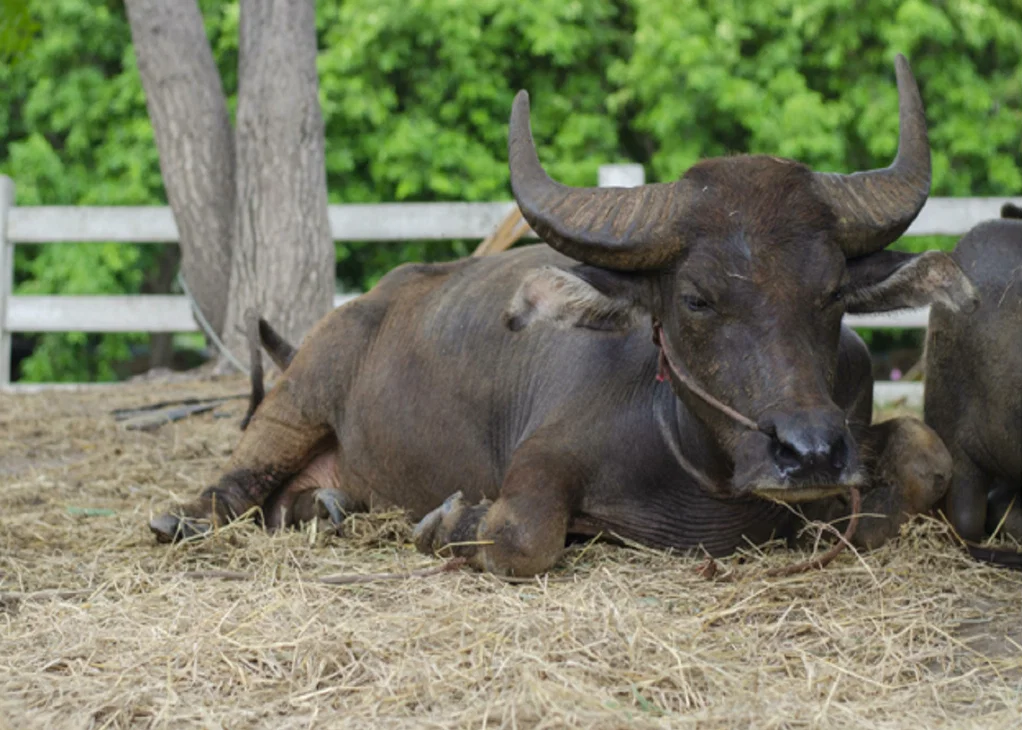
Diagnosing Subclinical Mastitis in Buffaloes: From SCC and CMT to Molecular Tests
Subclinical mastitis (SCM) can remain hidden because the buffalo may show no obvious udder or milk a...