Article
Small Colon Focal Impaction: The Hidden Cause of Equine Colic
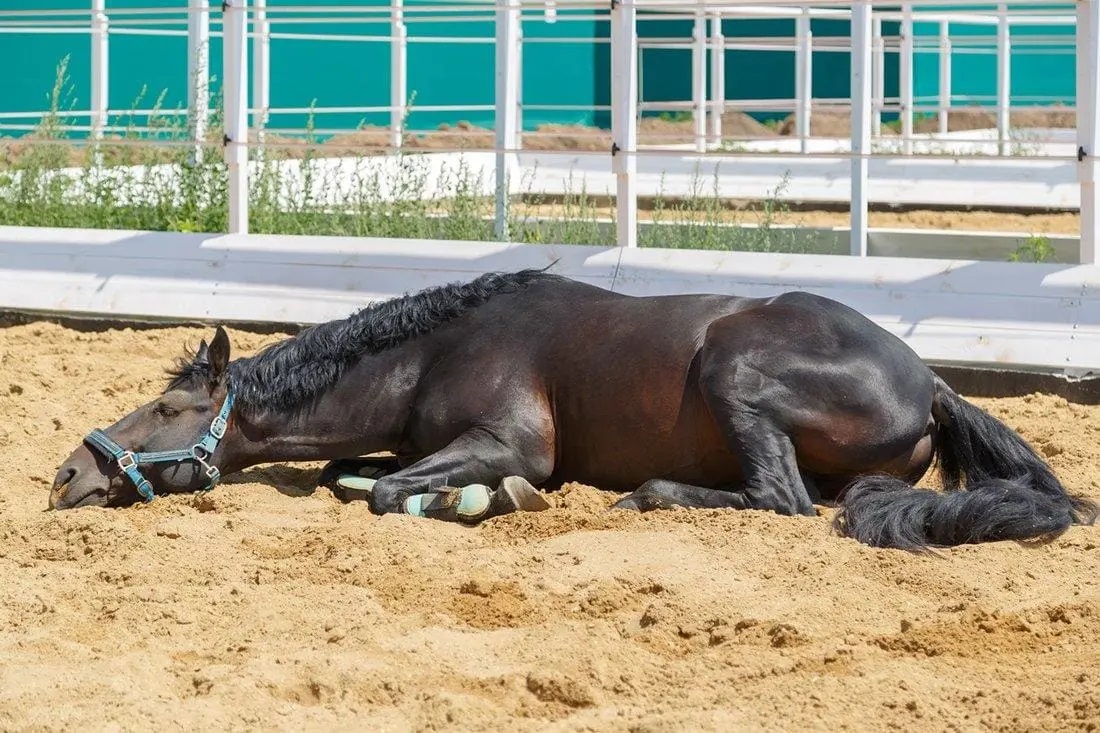
Not all equine colic cases present dramatically. Some horses experience intermittent, low-grade abdominal discomfort for days before developing severe clinical signs. One often-overlooked cause is small colon focal impaction (SCF)—a localized obstruction of the small colon caused by a faecalith, enterolith, or dense accumulation of faecal material. Among these, faecal obstruction remains one of the most commonly reported causes of SCF1.
Although uncommon, SCF can have serious consequences if not recognised and treated promptly.
Which Horses Are Most at Risk?
Studies suggest that SCF is most frequently observed in1:
- Horses younger than one year
- Horses older than 15 years
- Ponies
Additional risk factors include:
- Poor-quality forage
- Dental abnormalities
- Reduced feed digestibility
Foreign material has occasionally been identified within focal impactions, particularly in young horses, likely reflecting less selective feeding behaviour2.
Why Diagnosis Is So Challenging
One of the greatest challenges with SCF is its subtle clinical presentation.
Early in the disease process, affected horses often show only mild-to-moderate or intermittent colic signs. Some horses may experience repeated episodes of minor colic that temporarily improve with medical management, creating the impression of a self-limiting condition.
Unlike acute surgical emergencies, SCF tends to progress slowly. In many cases, more than 24 hours pass between the onset of significant clinical signs and referral for surgical evaluation1,3.
Diagnostic Blind Spots
Diagnosing SCF can be difficult even during a thorough clinical work-up.
While diffuse small colon impactions are often detectable on rectal palpation, focal impactions located in the transverse colon or proximal descending colon may be inaccessible. Gas distension of the large colon, caecum, or small colon can further obscure the lesion.
Transabdominal ultrasonography also provides limited assistance because SCF lacks specific ultrasonographic features that reliably distinguish it from other causes of colic1,3.
As a result, clinicians may underestimate the severity of the condition or pursue treatments aimed at other suspected gastrointestinal disorders.
The Consequences of Delayed Recognition
Failure to identify and address SCF can have devastating consequences.
Persistent obstruction increases pressure within the affected intestinal segment, compromising blood supply to the bowel wall. Progressive compression may ultimately lead to tissue necrosis and intestinal rupture, both of which carry a grave prognosis1.
Because clinical signs are often vague and diagnostic findings inconclusive, surgical exploration may be required to establish a definitive diagnosis before irreversible damage occurs.
Why Early Surgical Intervention Matters
Medical management—including aggressive fluid therapy—is often attempted initially4. However, some focal impactions are resistant to hydration and fail to resolve conservatively1.
In these cases, timely surgical intervention becomes essential to relieve obstruction and prevent progression to intestinal compromise.
For equine practitioners, maintaining a high index of suspicion for SCF in horses with prolonged or recurrent colic can be critical for improving outcomes.
Key Clinical Takeaway
Small colon focal impaction may be uncommon, but its ability to masquerade as less serious gastrointestinal disease makes it a condition that clinicians should not overlook. Early recognition, careful monitoring of recurrent colic cases, and timely surgical intervention can make the difference between successful recovery and catastrophic intestinal injury.
References
- Scilimati N, Cerullo A, Nannarone S, Gialletti R, Giusto G, Bertoletti A. Small Colon Faecalith with Large Colon Displacement in Ten Cases (2015–2023): A Detailed Case Description and Literature Review. Animals. 2024 Jan 15;14(2):262. https://www.mdpi.com/2076-2615/14/2/262
- Hanson RR, Schumacher J. Diagnosis, management and prognosis of large colon impactions. Equine Veterinary Education. 2021 Feb;33(2):90-101. https://doi.org/10.1111/eve.13120
- Tharwat M, Al-Sobayil F. Equine colic: A comprehensive overview of the sonographic evaluation, diagnostic criteria, and management of different categories. Open Veterinary Journal. 2025 Mar 31;15(3):1116. https://pmc.ncbi.nlm.nih.gov/articles/PMC12017722/
- Rhoads WS, Barton MH, Parks AH. Small colon impactions in horses: 84 cases (1986-1996). InAAEP Proceedings 1997 (Vol. 43, pp. 248-249). https://www.ivis.org/sites/default/files/library/aaep/1997/Rhoads.pdf
Related Contents

Upcoming Event
African Swine Fever: Diagnosis and Management
African swine fever can cause severe disease and significant losses in affected pig populations.&nbs...
.jpg)
Video
Transjugular Removal of Canine Heartworms: A Clinical and Surgical Overview
Transjugular removal of canine heartworms is a specialized intervention used in selected dogs with s...

Article
Feline Pregnancy Endocrinology: Hormonal Changes and Placental Function
Pregnancy in cats involves a distinctive endocrine pattern in which ovarian and placental hormones w...

Article
Hormonal Control of Pregnancy Termination in Cats
Pregnancy maintenance in cats depends strongly on coordinated hormonal support, particularly progest...

Article
Feline Embryo Implantation and Early Placental Development
Pregnancy establishment in cats involves a sequence of precisely timed events between fertilization,...

Article
Ultrasonographic Monitoring of Pregnancy in Cats: A Gestational Timeline
Ultrasonography provides a practical way to follow the progression of feline pregnancy by identifyin...

Article
Feline Mismating: Pregnancy Diagnosis and Clinical Management
Mismating or unplanned mating is a common clinical problem in sexually mature queen cats because of...

Article
Medical Termination of Pregnancy in Queens: Drugs, Timing and Treatment Protocols
Medical termination of pregnancy (MTP) in queen cats should be approached according to the timing of...