Article
Clinical Nutrition in Neonatal Ruminants: Key Considerations During Illness
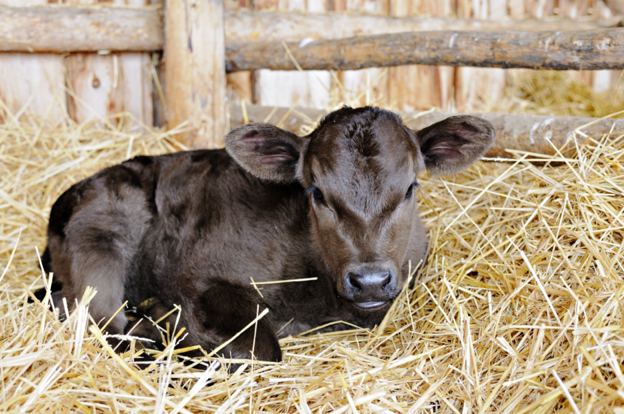
Nutritional management is a critical component of supportive care in neonatal ruminants. Unlike mature animals, neonates have limited body energy reserves, higher nutrient demands relative to body weight, and a reduced capacity to tolerate prolonged periods of inadequate nutrient intake. During illness, anorexia, impaired gastrointestinal function, and increased metabolic demands can rapidly lead to energy deficits that compromise growth, immune function, and recovery. For these reasons, nutritional intervention should be considered early and incorporated into the overall treatment plan alongside correction of fluid, electrolyte, and metabolic abnormalities1,2.
Recognize the Nutritional Vulnerability of Neonates
Healthy adult ruminants can tolerate relatively short periods of reduced feed intake because of their substantial gastrointestinal capacity and body reserves. Neonatal ruminants, however, possess limited energy stores and should generally not remain without nutritional support for more than approximately 12 hours. Delayed nutritional intervention increases the risk of rapid deterioration and negatively affects recovery1,2.
Before initiating nutritional support, the clinician should evaluate the calf's nutritional status, diagnosis, prognosis, and overall clinical condition. Correction of dehydration, electrolyte imbalances, acid-base disturbances, and other metabolic abnormalities should remain the immediate priority, after which nutritional support can be introduced to restore normal gastrointestinal function and minimize further tissue catabolism3.
Estimate Nutrient Requirements Carefully
Developing a nutrition plan for neonatal ruminants requires consideration of both maintenance requirements and the additional metabolic demands imposed by illness. Nutrient calculations should be individualized according to body weight, physiological status, degree of inappetence, and disease severity.
Protein is particularly important during neonatal illness because reduced feed intake is often accompanied by increased nitrogen losses. Under normal conditions, neonatal ruminants require approximately 2–4 g of protein/kg body weight. Although the absolute protein requirement may remain relatively unchanged, compromised calves often require diets with a higher protein concentration to compensate for reduced voluntary feed intake and increased protein catabolism. Highly digestible protein sources should be selected to maximize nutrient utilization while minimizing digestive disturbances. Particular attention may be given to amino acids such as arginine, glutamine, branched-chain amino acids, lysine, and methionine3,4.
Energy provision should similarly account for the increased metabolic demands associated with illness. Conditions such as infection, inflammation, trauma, surgery, or fever may substantially increase energy expenditure, making careful nutritional planning essential during recovery3,5,6,7.
Select the Most Appropriate Feeding Route
Whenever possible, oral feeding remains the preferred route because it supports normal gastrointestinal development and function. If voluntary intake becomes inadequate but the gastrointestinal tract remains functional, enteral nutrition should be considered before parenteral nutrition.
Enteral feeding offers several important advantages in neonatal patients. It maintains gastrointestinal integrity, supports gut-associated lymphoid tissue, preserves intestinal function, and allows nutrients to pass through the digestive tract in a physiological manner. Feed consistency can be modified to facilitate administration when suckling ability is reduced but gastrointestinal function remains intact3.
Parenteral nutrition should be reserved for situations in which oral or enteral feeding cannot safely meet nutritional requirements. Examples include severe gastrointestinal dysfunction, marked metabolic instability, or clinical conditions that prevent adequate nutrient delivery through the digestive tract. Even when parenteral nutrition is necessary, transition to enteral or oral feeding should occur as soon as the patient's condition allows in order to restore normal gastrointestinal function3.
Introduce Nutritional Support Gradually
Nutritional support should not be initiated at full calculated requirements. A gradual increase in nutrient delivery allows the digestive system to adapt while reducing the risk of metabolic complications such as refeeding syndrome.
Feeding frequency should also be adjusted according to the patient's condition, with multiple smaller meals often being better tolerated than larger individual feedings. Continuous monitoring of appetite, gastrointestinal function, hydration, and clinical response is essential throughout the recovery period so that nutritional support can be modified as the patient's condition changes3.
Monitor Response Throughout Recovery
Clinical nutrition should remain a dynamic component of patient management rather than a one-time intervention. As appetite improves and metabolic abnormalities resolve, the nutrition plan should be reassessed regularly. Progression toward normal voluntary feeding should occur whenever possible while ensuring that nutrient intake continues to meet the demands of growth and recovery.
Ongoing evaluation of body condition, weight gain, feed acceptance, and overall clinical progress helps determine whether nutritional goals are being achieved and whether adjustments to the feeding strategy are required.
Practical Clinical Insights
Successful nutritional management of neonatal ruminants depends on early recognition of nutritional risk and timely intervention. Because neonates possess limited energy reserves and cannot tolerate prolonged feed deprivation, nutritional support should be introduced soon after stabilization of fluid and metabolic abnormalities. Individualized nutrient calculations, appropriate protein and energy provision, selection of the most physiological feeding route, and gradual advancement of feeding together provide a practical framework for supporting recovery while maintaining gastrointestinal function and promoting healthy growth.
References
- Min BR, Barry TN, Attwood GT, McNabb WC. The effect of condensed tannins on the nutrition and health of ruminants fed fresh temperate forages: a review. Animal feed science and technology. 2003 Apr 21;106(1-4):3-19. https://www.academia.edu/download/45972452/s0377-8401_2803_2900041-520160526-32460-1o8cgtu.pdf
- Bourne N, Laven R, Wathes DC, Martinez T, McGowan M. A meta-analysis of the effects of Vitamin E supplementation on the incidence of retained foetal membranes in dairy cows. Theriogenology. 2007 Feb 1;67(3):494-501. https://www.academia.edu/download/78257953/j.theriogenology.2006.08.01520220106-6971-hab8vo.pdf
- Teixeira Rodrigues de Almeida S, Caetano M, Kirkwood RN, Petrovski KR. The Basics of Clinical Nutrition for Compromised Ruminants—A Narrative Review. Ruminants. 2025 Oct 23;5(4):51. https://www.mdpi.com/2673-933X/5/4/51
- Gouvêa VN, Cooke RF, Marques RS. Impacts of stress-induced inflammation on feed intake of beef cattle. Frontiers in Animal Science. 2022 Nov 15;3:962748. https://www.frontiersin.org/journals/animal-science/articles/10.3389/fanim.2022.962748/pdf
- Sahoo A. Clinical nutrition and therapeutic diets: New opportunities in farm animal practice. EC Veterinary Science. 2020;5(4):12-29. https://www.researchgate.net/profile/Artabandhu-Sahoo/publication/344899570
- Clark A, Imran J, Madni T, Wolf SE. Nutrition and metabolism in burn patients. Burns & trauma. 2017 Dec 1;5. https://academic.oup.com/burnstrauma/article-pdf/doi/10.1186/s41038-017-0076-x/34865283/burns_v5_1_76.pdf
- Smith-Ryan AE, Hirsch KR, Saylor HE, Gould LM, Blue MN. Nutritional considerations and strategies to facilitate injury recovery and rehabilitation. Journal of athletic training. 2020 Sep 1;55(9):918-30. https://pmc.ncbi.nlm.nih.gov/articles/PMC7534941/pdf/i1062-6050-55-9-918.pdf
Related Contents

Article
FGF-23 in Feline CKD: An Early Signal of Phosphate Dysregulation
A cat with early chronic kidney disease (CKD) may have a normal serum phosphate concentration. Does...

Article
Albuminuria or Transferrinuria? Reading the Glomerular Signal in Feline CKD
A cat can have chronic kidney disease (CKD) with only mild proteinuria. So, when urinary protein is...
Article
Tubular Injury Biomarkers in Feline CKD: What Can NGAL, KIM-1 and L-FABP Tell You?
When feline CKD is already suspected, identifying reduced renal function is only part of the clinica...
Article
Can Renal Fibrosis Biomarkers Reveal CKD Progression in Cats?
Chronic kidney disease in cats is not only a problem of declining renal function. Structural changes...
Article
When Creatinine May Not Tell the Full Story in Feline Acute Kidney Injury
Serum creatinine is routinely used with changes in urine output to diagnose and grade Acute Kidney I...

Article
When a Normal-Looking Udder Hides Mastitis: Recognising Subclinical Mastitis in Buffaloes
A buffalo can appear clinically normal while mastitis is already affecting the udder and milk produc...
Article
Buffalo Subclinical Mastitis: Which Risk Factors Should Vets Investigate?
When subclinical mastitis (SCM) keeps appearing in a buffalo herd, looking only at the affected anim...
Article
Diagnosing Subclinical Mastitis in Buffaloes: From SCC and CMT to Molecular Tests
Subclinical mastitis (SCM) can remain hidden because the buffalo may show no obvious udder or milk a...