Article
Reversibility of Cardiac Changes After Treating Feline Hyperthyroidism: What Follow-Up Reveals
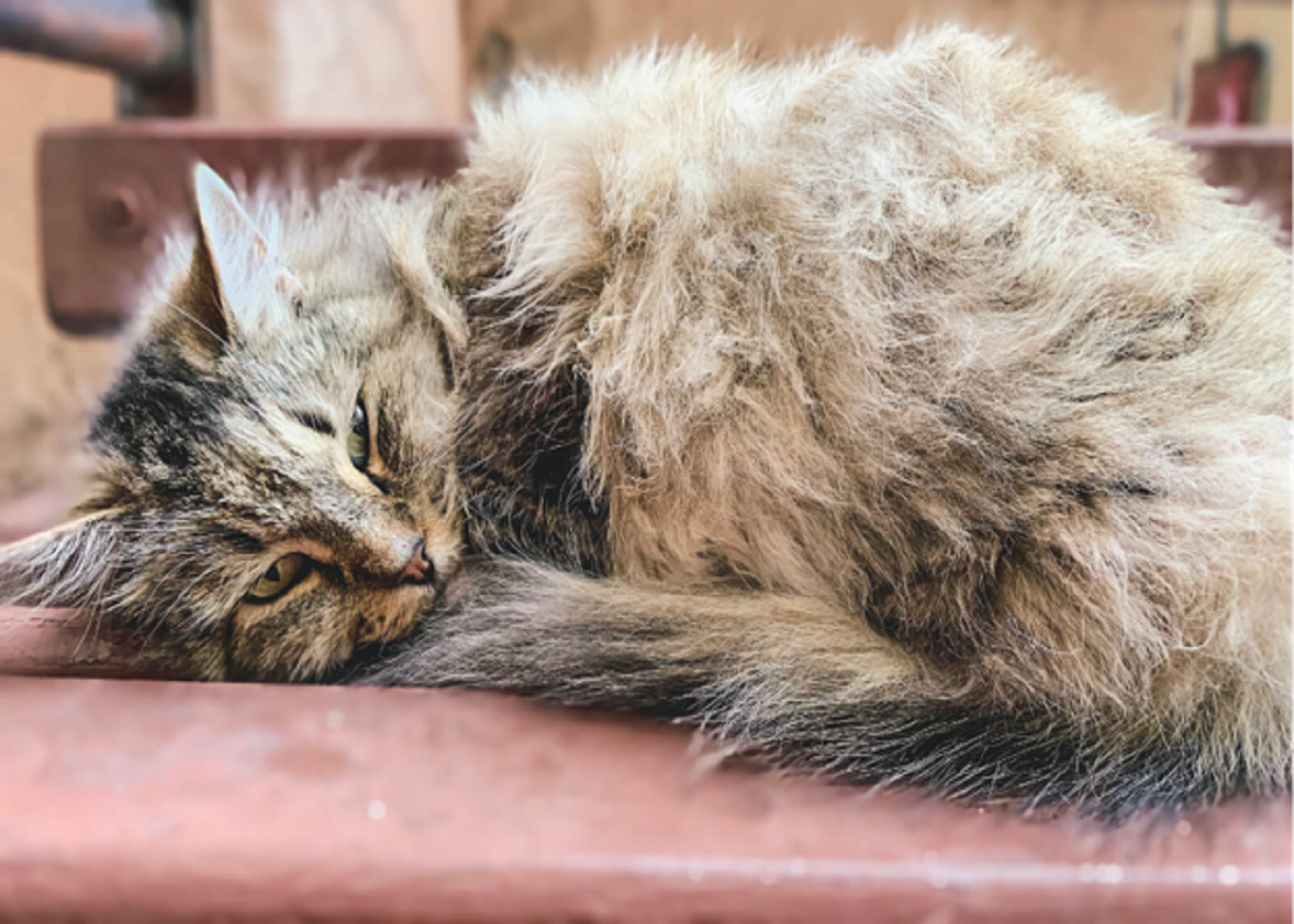
Cardiac changes associated with feline hyperthyroidism may improve or resolve after treatment restores normal thyroid hormone levels. However, the extent of recovery varies between cats. Follow-up is therefore important to determine whether cardiac abnormalities have resolved, improved or persisted[1].
Cardiac Changes After Restoring Euthyroidism[1]
Hyperthyroidism can cause cardiovascular changes, including increased left ventricular wall thickness and alterations in cardiac chamber dimensions. These changes may regress after treatment restores euthyroidism.
In one follow-up assessment, cardiac abnormalities improved or resolved in 16 of 24 cats evaluated between 4 and 21 months after treatment. This indicates that cardiac recovery may continue over an extended period rather than occurring immediately after thyroid hormone levels normalise.
What Follow-Up Assessments Reveal[1],[2]
Follow-up findings after radioiodine treatment also provide evidence of cardiac improvement. In an assessment involving 91 cats, cardiac changes were evaluated 2–3 months after treatment. These observations highlight the importance of reassessing cardiovascular status after restoring thyroid function.
Electrocardiography and echocardiography can help evaluate cardiac rhythm and structural changes during follow-up. Serial assessments allow veterinarians to monitor whether previously identified abnormalities are resolving or remaining detectable.
Why Some Cardiac Changes May Persist[1]
Not every cat experiences complete cardiac recovery. Persistent abnormalities may reflect delayed cardiac remodelling, permanent cardiac damage or concurrent primary cardiac disease. Therefore, continued abnormalities after treatment should not automatically be interpreted as evidence of persistent hyperthyroidism.
Longer-term findings reinforce this consideration. In one follow-up assessment, 7 of 57 cats continued to show cardiac abnormalities at a median of 25 months. This suggests that some cardiovascular changes may remain detectable well after treatment.
Implications for Long-Term Monitoring
Successful treatment of feline hyperthyroidism should be followed by assessment of both thyroid function and cardiovascular status. Follow-up helps identify cats showing cardiac improvement and those with persistent abnormalities.
For veterinarians, the key consideration is that biochemical control and cardiac recovery are related but not identical outcomes. Continued monitoring helps establish the extent of cardiovascular recovery and identify cases requiring further evaluation.
References:
- van Zuiden B, Santarelli G, Galac S, Kooistra HS, Szatmári V. Cardiac Abnormalities in Feline Hyperthyroidism. Veterinary Sciences. 2025 Nov 23;12(12):1115. https://www.mdpi.com/2306-7381/12/12/1115
- Weichselbaum RC, Feeney DA, Jessen CR. Relationship between selected echocardiographic variables before and after radioiodine treatment in 91 hyperthyroid cats. Veterinary Radiology & Ultrasound. 2005 Nov;46(6):506-13. https://www.academia.edu/download/82034728/j.1740-8261.2005.00099.x20220311-27938-tlz92x.pdf
Related Contents
Article
Recognising Leptospirosis Across Animal Species: Clinical Presentations and Organ-Specific Changes
A dog presents with fever and systemic illness, while cattle experience reproductive failure without...
Article
Psychogenic Polydipsia in Dogs: Recognising Behavioural Triggers and Clinical Indicators
A dog presents with persistent excessive drinking and urination, yet its physical examination reveal...
Article
Diagnostic Approach to Canine PU/PD: Differentiating Primary Polydipsia from Primary Polyuria
Persistent excessive drinking and urination can be the presenting signs of several conditions in dog...
.jpg)
Upcoming Event
Culture-Guided Treatment of UTIs in Dogs and Cats
Make informed antibiotic choices in canine and feline UTIs with a culture-guided approach. Explore h...
Article
Managing Psychogenic Polydipsia in Dogs: Water Intake, Behavioural Therapy and Pharmacological Intervention
Once psychogenic polydipsia (PPD) has been identified, management needs to address more than the vol...
Article
Duck Viral Hepatitis in Ducklings: Clinical Recognition and Differential Diagnosis
A sudden rise in mortality among young ducklings, particularly those under three weeks of age, shoul...
Article
Confirming Duck Viral Hepatitis: Choosing and Interpreting Diagnostic Tests
When young ducklings develop sudden mortality and liver lesions suggestive of duck viral hepatitis (...
Article
Duck Viral Hepatitis Vaccination: Managing Maternal Antibody Interference and Field Efficacy
Vaccination is a key strategy for controlling Duck Viral Hepatitis (DVH), particularly in intensive...