Article
Obesity-Associated Comorbidities in Cats: What Should Veterinarians Monitor?
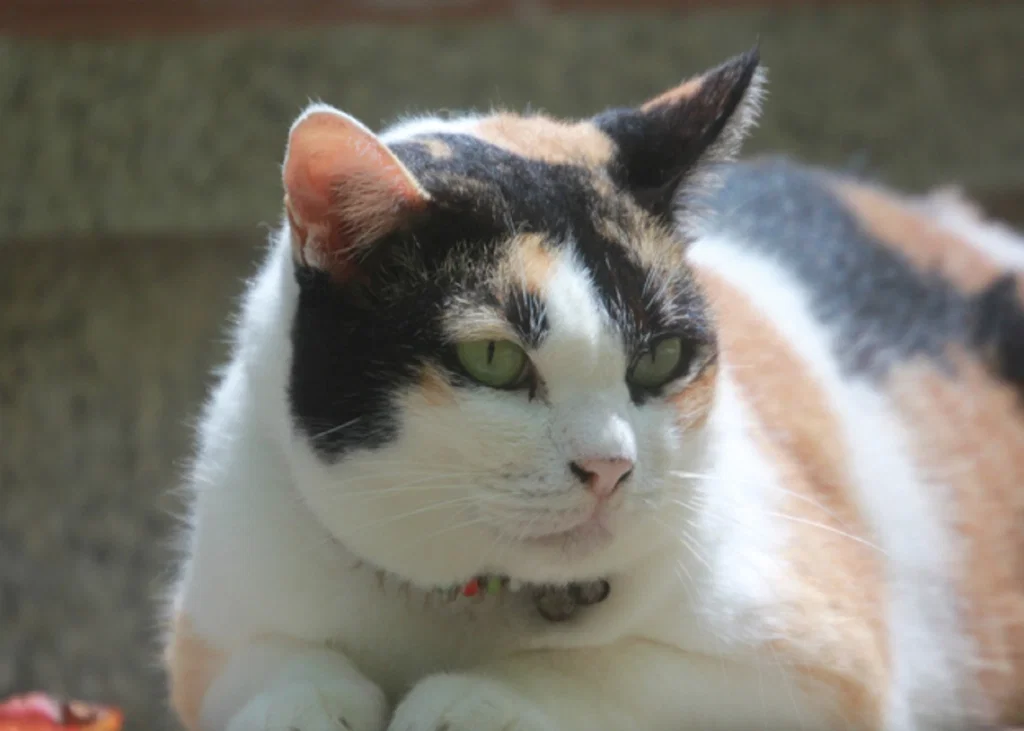
An overweight cat may appear clinically well during a routine consultation. But should body condition be considered only a weight-management issue?
Obesity can affect multiple organ systems, with consequences involving glucose metabolism, joints, urinary health, skin and potentially cardiorespiratory function.
For veterinarians, recognising these associations can help identify which problems deserve closer monitoring in an obese patient.
Diabetes: Look Beyond Body Condition
Obesity is a major risk factor for diabetes mellitus in cats. Dysfunctional adipose tissue can contribute to inflammation, altered adipokine signalling and impaired insulin sensitivity[1],[2].
Excess free fatty acids may also promote lipid accumulation in the liver and skeletal muscle, further affecting glucose metabolism[1],[3],[4]. Proposed inflammatory pathways such as NF-κB and JNK have been described mainly in human and rodent models, so their direct contribution in cats remains uncertain[5].
Practical point: An obese cat warrants attention to metabolic changes rather than relying on body condition alone.
Joint Disease: The Load Is Not the Whole Story
Obesity has important musculoskeletal implications. Obese cats have been reported to be almost twice as likely to show signs of joint disease[6].
Interestingly, joint problems are not restricted to weight-bearing joints. This has raised the possibility that inflammatory and biochemical effects of adipose tissue may contribute alongside mechanical loading[1].
Weight-loss interventions also suggest that reducing body fat may be more important for improving knee osteoarthritis-related signs than changes in body weight alone[1].
Urinary Health Deserves Attention
Obesity and urinary health can intersect through several factors. Sterilized cats have been reported to have an 8.3-fold higher risk of urinary stones than non-sterilized cats, while overweight cats have shown a fourfold higher risk of lower urinary tract disease compared with cats of normal weight[7].
Reduced activity may decrease water intake and contribute to more concentrated urine. Indoor housing and neutering can also reduce urination frequency[8],[9].
The relationship with chronic kidney disease is less clear. Current feline evidence does not establish a direct obesity–CKD relationship, so obesity should not automatically be considered a cause of CKD[1],[10].
Skin Problems Can Be Part of the Picture
Obesity may interfere with normal grooming and contribute to skin-fold problems, infection, and folliculitis. Obese cats have also been reported to have a 2.3-fold higher risk of nonspecific, non-allergic skin conditions[1].
The relationship may become self-reinforcing: Skin discomfort can reduce activity, while reduced activity can make weight control more difficult.
Medication history also matters. Corticosteroid therapy can stimulate appetite and contribute to weight gain, which may complicate management in an already overweight patient[1].
What About the Heart and Lungs?
Obesity does not appear to be a straightforward risk factor for feline hypertrophic cardiomyopathy (HCM). HCM is the most common feline cardiac disease, accounting for more than 60% of cardiac cases, but body weight and BCS have not consistently distinguished cats with HCM from controls[1],[11].
However, among cats with heart failure, overweight cats have been reported to have lower survival than cats with moderate body conditions[1].
Respiratory effects are also less consistent. Some investigations found no meaningful differences in respiratory parameters between healthy-weight and obese cats, while others reported reductions in tidal volume, minute ventilation, and inspiratory/expiratory flow in obese cats[1]. The relationship between obesity and feline bronchial disease therefore remains uncertain.
Don't Forget Quality of Life[1]
The consequences of obesity can extend beyond measurable disease. Joint problems, impaired grooming, reduced mobility, and metabolic dysfunction may interfere with activities such as jumping and playing.
These functional changes are clinically relevant when assessing an individual patient's overall health.
Clinical Bottom Line
Obesity should prompt more than a discussion about weight loss. Depending on the individual cat, veterinarians should remain alert to metabolic, musculoskeletal, urinary, dermatological, cardiac, respiratory and functional changes.
At the same time, not every reported association represents a proven causal relationship in cats. Monitoring should therefore be guided by the patient's clinical findings, risk factors, and existing disease rather than by obesity alone.
References:
- Wang H, Wang W, Zhang Y, Yao J, Liu Y, Pan L, Wang R, Wang J, Xia Z, Chen L, Xiong W. From pathogenesis to prevention: an update on the management of obesity and its associated comorbidities in cats. Frontiers in Veterinary Science. 2026 Apr 7;13:1797197. https://www.frontiersin.org/journals/veterinary-science/articles/10.3389/fvets.2026.1797197/pdf
- Kusminski CM, Scherer PE. Mitochondrial dysfunction in white adipose tissue. Trends in endocrinology & metabolism. 2012 Sep 1;23(9):435-43. https://pmc.ncbi.nlm.nih.gov/articles/PMC3430798/pdf/nihms387755.pdf
- Al Amiri E, Abdullatif M, Abdulle A, Al Bitar N, Afandi EZ, Parish M, Darwiche G. The prevalence, risk factors, and screening measure for prediabetes and diabetes among Emirati overweight/obese children and adolescents. BMC public Health. 2015 Dec 24;15(1):1298. https://link.springer.com/content/pdf/10.1186/s12889-015-2649-6.pdf
- Tchkonia T, Thomou T, Zhu YI, Karagiannides I, Pothoulakis C, Jensen MD, Kirkland JL. Mechanisms and metabolic implications of regional differences among fat depots. Cell metabolism. 2013 May 7;17(5):644-56. https://www.cell.com/cell-metabolism/pdf/S1550-4131(13)00111-3.pdf
- Shulman GI. Ectopic fat in insulin resistance, dyslipidemia, and cardiometabolic disease. New England Journal of Medicine. 2014 Sep 18;371(12):1131-41. http://pages.ucsd.edu/~mboyle/COGS163/pdf-files/Ectopic%20Fat%20in%20Insulin%20Resistance,%20Dyslipidemia,%20and%20Cardiometabolic%20Disease-NEJM-Review-2014.pdf
- Maniaki E, Murrell J, Langley-Hobbs SJ, Blackwell EJ. Associations between early neutering, obesity, outdoor access, trauma and feline degenerative joint disease. Journal of feline medicine and surgery. 2021 Oct;23(10):965-75. https://journals.sagepub.com/doi/pdf/10.1177/1098612X21991456?fbclid=IwAR1cpqj9XVoy6oA_Vl0X5vtGj3O4scFiwy7X9aU92G34q7mZ_CrFvNszP64
- Gomes VD, Ariza PC, Borges NC, Schulz Jr FJ, Fioravanti MC. Risk factors associated with feline urolithiasis. Veterinary research communications. 2018 Mar;42(1):87-94. https://www.academia.edu/download/89052218/s11259-018-9710-820220727-1-3byh1w.pdf
- Burggraaf ND, Westgeest DB, Corbee RJ. Analysis of 7866 feline and canine uroliths submitted between 2014 and 2020 in the Netherlands. Research in veterinary science. 2021 Jul 1;137:86-93. https://www.sciencedirect.com/science/article/pii/S0034528821001259
- Piyarungsri K, Tangtrongsup S, Thitaram N, Lekklar P, Kittinuntasilp A. Prevalence and risk factors of feline lower urinary tract disease in Chiang Mai, Thailand. Scientific reports. 2020 Jan 13;10(1):196. https://www.nature.com/articles/s41598-019-56968-w.pdf
- Pérez-López L, Boronat M, Melián C, Brito-Casillas Y, Wägner AM. Kidney function and glucose metabolism in overweight and obese cats. Veterinary Quarterly. 2020 Jan 1;40(1):132-9. https://www.tandfonline.com/doi/pdf/10.1080/01652176.2020.1759844
- Hoenig M. The cat as a model for human obesity and diabetes. Journal of diabetes science and technology. 2012 May;6(3):525-33. https://journals.sagepub.com/doi/pdf/10.1177/193229681200600306
Related Contents

Article
Chronic Cough in Dogs and Cats: How to Classify and Localize It
A dog has been coughing for several weeks. The owner describes it as “honking,” but the...
Article
Diagnosing the Coughing Dog or Cat: Choosing the Right Diagnostic Test
A coughing dog or cat does not automatically need every available respiratory test. The more useful...

Article
Bronchoscopy and Airway Sampling in Dogs and Cats with Chronic Cough
In dogs and cats with chronic cough, thoracic radiographs may not fully explain the airway abnormali...

Article
When Should Veterinarians Suppress Cough?
Cough suppression plays a specific role in managing respiratory diseases in dogs and cats. The aim i...
Article
Managing Persistent Cough in Dogs and Cats: From Conventional Therapy to Emerging Options
Persistent cough in dogs and cats may require more than treatment of the primary disease. When cough...
Article
Bacterial Diseases in Farmed Fish: Recognising Clinical Patterns in Practice
A fish population develops haemorrhagic lesions, lethargy and poor appetite. Another shows exophthal...
Article
Viral Diseases in Aquaculture: Recognising Clinical Patterns Before the Outbreak Escalates
A group of cultured fish begins showing dark skin, haemorrhage, anaemia and abnormal behaviour. In a...

Article
Parasitic Diseases in Farmed Fish: Recognising Gill, Skin and Systemic Involvement
A group of fingerlings is losing appetite and becoming increasingly inactive. Some fish have excessi...