Article
Risk Factors and Epidemiology of Goat Mastitis: What Influences Disease Occurrence?
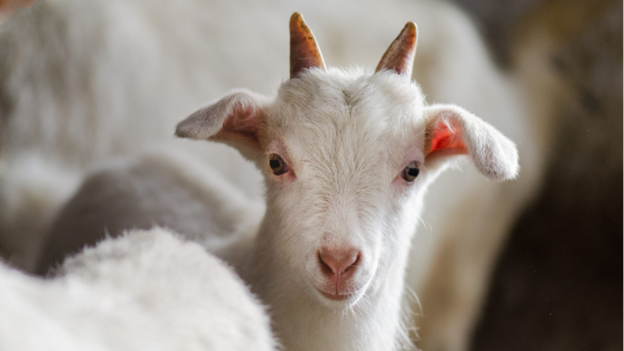
Goat mastitis is a multifactorial disease influenced by interactions between the animal, infectious agents, and farm environment. Although goats are valued for their adaptability and contribution to dairy production, mastitis continues to limit productivity by reducing milk yield, affecting milk quality, increasing treatment costs, and contributing to premature removal of productive animals from herds1,2.
Understanding the factors that increase mastitis risk is essential for veterinarians involved in dairy goat health management. Disease occurrence is not determined only by the presence of pathogens; factors such as breed, age, parity, lactation stage, udder characteristics, milking practices, hygiene, and environmental conditions significantly influence the development and spread of infection.
Epidemiology of Mastitis in Goat Herds2
Mastitis remains a widespread concern in goat production systems. Reported prevalence data indicate that mastitis occurrence continues to remain within a considerable range, with meta-analysis findings showing a prevalence of 36% at the goat level and 36% in bulk tank milk [95% CI: 25–50% and 23–51%, respectively].
Subclinical mastitis contributes substantially to the overall disease burden because it occurs more frequently than clinical mastitis and often remains unnoticed without diagnostic monitoring. Previous estimates placed goat mastitis prevalence between 30% and 50%, and current findings indicate that the condition continues to be a persistent challenge despite control efforts.
Host-Related Risk Factors
Breed and Genetic Influence
Breed differences can affect mastitis susceptibility. Comparative evaluations from different regions indicate variations in mastitis prevalence among goat breeds3,4. Higher-producing breeds may face increased risk because greater milk production can increase pressure within mammary glands and milk storage structures.
Exotic and crossbred goats may be more vulnerable compared with indigenous breeds because they may encounter unfamiliar environmental conditions and infectious organisms. Local breeds, having adapted to regional conditions over time, may possess greater resistance to endemic pathogens.
Parity and Age
Parity is an important factor associated with mastitis occurrence. Goats in later parities are generally more vulnerable due to repeated pregnancies, kidding events, and increased stress on mammary tissues. Goats in their third parity have been reported to have a higher risk compared with second-parity animals, while first-parity goats show lower susceptibility5.
Age also influences mastitis risk. Older goats may have reduced immune function, increased tissue damage, and changes in mammary gland structure. With time, teat ends may become more dilated, increasing the possibility of bacterial entry into the mammary gland6,7.
Lactation Stage and Udder Characteristics
The stage of lactation affects udder health indicators. Somatic cell count generally increases as lactation progresses, particularly near the dry-off period, making interpretation of SCC more challenging during late lactation2,8.
Udder and teat characteristics can also influence susceptibility. Goats with longer teats have been reported to have greater vulnerability to mastitis compared with goats having shorter teats. The number of offspring also plays a role, as goats with multiple kids may experience greater udder stress compared with goats nursing a single kid9.
Environmental and Management Risk Factors
Farm management practices have a major influence on mastitis development and transmission. Environmental pathogens commonly originate from contaminated bedding, soil, manure, feed, and water sources. Poor hygiene conditions increase exposure to organisms capable of causing intramammary infections10,11.
Important management-related risk factors include:
- Unhygienic milking practices
- Lack of teat disinfection
- Dirty or wet bedding conditions
- Contaminated milking equipment
- Improper milking techniques
- Excessive udder manipulation
- Delayed or incomplete milking
Physical damage to the udder, including cuts, bruising, punctures, burns, and teat injuries, can compromise natural protective barriers and increase infection risk. Environmental stress, including extreme heat or cold, may also affect mammary tissue function and immune response.
Pathogen-Associated Risk Factors
Mastitis-causing organisms can originate from infected animals or the environment. Contagious pathogens spread mainly through milking-related activities, including contaminated hands, towels, equipment, or contact with infected udders. Environmental pathogens are associated with poor sanitation and contaminated surroundings10.
Among bacterial causes, Staphylococcus species are considered major contributors to goat mastitis. Staphylococcus aureus is mainly associated with clinical mastitis, while non-aureus staphylococci contribute significantly to subclinical infections2. Other important organisms include Streptococcus species, E. coli, Klebsiella, Pseudomonas, Mycoplasma species, fungi, and other microorganisms.
Practical Clinical Insights
- Mastitis control requires identifying herd-specific risk factors rather than focusing only on treatment of individual cases.
- Regular evaluation of milking hygiene, bedding management, and udder health can help reduce infection pressure.
- Older, high-producing, and multiparous goats may require closer monitoring.
- Regional prevalence differences indicate that prevention strategies should be adapted according to farm conditions and production systems.
Conclusion
Goat mastitis results from a complex interaction between host susceptibility, pathogen exposure, and environmental conditions. Understanding these risk factors enables veterinarians to develop targeted prevention strategies and improve herd-level udder health management. Early identification of vulnerable animals, improved hygiene practices, and regular monitoring remain essential components of effective mastitis control programs.
References
- Yuan YG, Peng QL, Gurunathan S. Effects of silver nanoparticles on multiple drug-resistant strains of Staphylococcus aureus and Pseudomonas aeruginosa from mastitis-infected goats: an alternative approach for antimicrobial therapy. International journal of molecular sciences. 2017 Mar 6;18(3):569. https://www.mdpi.com/1422-0067/18/3/569
- Tibebu A, Teshome Y, Tamrat H, Bahiru A. Mastitis in goat: A review of etiology, epidemiology, economic impact, and public health concerns. One Health. 2025 Dec 1;21:101131. https://www.sciencedirect.com/science/article/pii/S2352771425001673
- Mahlangu P, Maina N, Kagira J. Prevalence, risk factors, and antibiogram of bacteria isolated from milk of goats with subclinical mastitis in Thika East Subcounty, Kenya. Journal of veterinary medicine. 2018;2018(1):3801479. https://onlinelibrary.wiley.com/doi/pdf/10.1155/2018/3801479
- Yerima J, Shitu H, Idi Y, Abdussamad AM, Kalla DJ. Incidence of reproductive disorders and mastitis among small ruminants of Nigeria. Nigerian Journal of Animal Science. 2021 Dec 17;23(2):93-9. https://www.ajol.info/index.php/tjas/article/download/219039/206654
- Gabli Z, Djerrou Z, Bensalem M. Prevalence of mastitis in dairy goat farms in Eastern Algeria. Veterinary world. 2019 Oct 15;12(10):1563. https://pmc.ncbi.nlm.nih.gov/articles/PMC6868258/pdf/Vetworld-12-1563.pdf
- Gelasakis AI, Angelidis AS, Giannakou R, Filioussis G, Kalamaki MS, Arsenos G. Bacterial subclinical mastitis and its effect on milk yield in low-input dairy goat herds. Journal of dairy science. 2016 May 1;99(5):3698-708. https://www.sciencedirect.com/science/article/pii/S0022030216001661
- Koop G, Van Werven T, Schuiling HJ, Nielen M. The effect of subclinical mastitis on milk yield in dairy goats. Journal of dairy science. 2010 Dec 1;93(12):5809-17. https://www.sciencedirect.com/science/article/pii/S0022030210006314
- Matuozzo M, Spagnuolo MS, Hussein HA, Gomaa AM, Scaloni A, D’Ambrosio C. Novel biomarkers of mastitis in goat milk revealed by MALDI-TOF-MS-based peptide profiling. Biology. 2020 Jul 28;9(8):193. https://www.mdpi.com/2079-7737/9/8/193
- Moni MI, Samad MA. Prevalence and risk factors of subclinical mastitis in lactating black Bengal goats detected by using indirect and direct methods of SCC in Bangladesh. J. Veterin. Med. One Health Res. 2020;2(1):115-38. https://www.academia.edu/download/110306304/jvmohr.2020.21.pdf
- Scaccabarozzi L, Leoni L, Ballarini A, Barberio A, Locatelli C, Casula A, Bronzo V, Pisoni G, Jousson O, Morandi S, Rapetti L. Pseudomonas aeruginosa in dairy goats: genotypic and phenotypic comparison of intramammary and environmental isolates. PloS one. 2015 Nov 25;10(11):e0142973. https://journals.plos.org/plosone/article/file?id=10.1371/journal.pone.0142973&type=printable
- Vargová M, Zigo F, Výrostková J, Farkašová Z, Rehan IF. Biofilm-producing ability of Staphylococcus aureus obtained from surfaces and milk of mastitic cows. Veterinary Sciences. 2023 Jun 2;10(6):386. https://www.mdpi.com/2306-7381/10/6/386
Related Contents
.jpg)
Video
Transjugular Removal of Canine Heartworms: A Clinical and Surgical Overview
Transjugular removal of canine heartworms is a specialized intervention used in selected dogs with s...

Article
Feline Pregnancy Endocrinology: Hormonal Changes and Placental Function
Pregnancy in cats involves a distinctive endocrine pattern in which ovarian and placental hormones w...
Article
Hormonal Control of Pregnancy Termination in Cats
Pregnancy maintenance in cats depends strongly on coordinated hormonal support, particularly progest...
Article
Feline Embryo Implantation and Early Placental Development
Pregnancy establishment in cats involves a sequence of precisely timed events between fertilization,...
Article
Ultrasonographic Monitoring of Pregnancy in Cats: A Gestational Timeline
Ultrasonography provides a practical way to follow the progression of feline pregnancy by identifyin...

Article
Feline Mismating: Pregnancy Diagnosis and Clinical Management
Mismating or unplanned mating is a common clinical problem in sexually mature queen cats because of...
Article
Medical Termination of Pregnancy in Queens: Drugs, Timing and Treatment Protocols
Medical termination of pregnancy (MTP) in queen cats should be approached according to the timing of...

Article
Safety and Aftercare Following Pregnancy Termination in Queen Cats
Pregnancy termination in queen cats requires more than selecting an appropriate abortifacient. Once...