Article
Cribbing, Gastric Irritation, and Antacid Therapy: Is There a Connection?
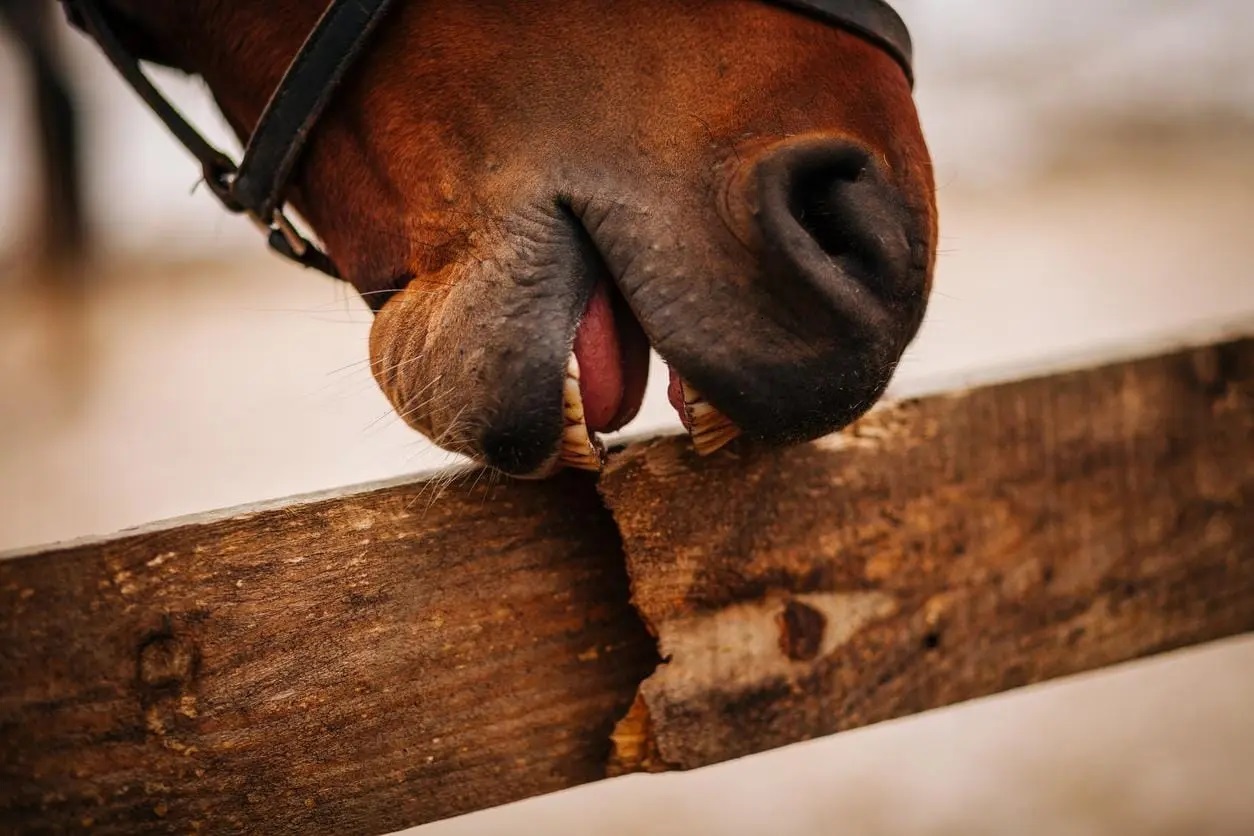
Cribbing is one of the most common stereotypic behaviors observed in horses. Characterized by grasping a fixed object with the incisors, arching the neck, and pulling backward while producing a characteristic grunt, cribbing has long been associated with digestive disturbances, particularly gastric irritation and ulceration1.
The Link Between Cribbing and Gastric Health
Research has suggested that horses exhibiting cribbing behavior may experience increased gastric discomfort. Even cribbing foals had a higher incidence of gastric inflammation and ulceration than non-cribbing foals. This is because adult cribbing horses had significantly lower gastric pH values than non-cribbing horses, suggesting a more acidic gastric environment1.
However, the relationship is not entirely straightforward. Wickens et al. (2013) found no significant differences in gastric pH, gastric ulceration, or inflammation between adult cribbers and non-cribbers. These conflicting findings indicate that cribbing is likely influenced by multiple physiological, behavioral, and environmental factors2.
Evaluating Antacid Supplementation
To better understand the role of gastric acidity, researchers evaluated the effects of oral antacid supplementation in adult cribbing horses.
After 21 days of treatment, horses receiving antacids demonstrated significantly higher gastric pH values than untreated control horses. Mean gastric pH increased from 3.26 ± 0.23 in control horses to 4.14 ± 0.24 in treated horses (P < 0.05), indicating that the supplement successfully reduced gastric acidity1.
Interestingly, the increase in pH was still detectable approximately 14.5 hours after the previous dose, suggesting a prolonged buffering effect1.
Did Cribbing Behavior Improve?
Although gastric pH improved significantly, the behavioral results were less dramatic.
Antacid-treated horses exhibited fewer crib bites on average than control horses, but the difference was not statistically significant. Similarly, no significant reductions were observed in total time spent cribbing or the number of cribbing bouts1.
Researchers did observe a carryover effect after treatment ended, with some horses continuing to crib less frequently during the washout period. This finding suggests that longer treatment durations may potentially influence behavior, although environmental factors such as feeding schedules, pasture conditions, weather, and daily management may also contribute1.
A Multifactorial Condition
Increasing gastric pH alone may not eliminate cribbing behavior. While gastric irritation may contribute to the initiation or maintenance of cribbing, the behavior often becomes deeply ingrained and influenced by additional factors including stress, environment, management practices, and individual temperament.
Consequently, successful management typically requires a comprehensive approach that addresses both digestive health and behavioral welfare.
Conclusion
Antacid supplementation can significantly increase gastric pH in cribbing horses, suggesting a beneficial effect on gastric acidity. However, improvements in stomach acidity do not necessarily translate into immediate reductions in cribbing behavior. These findings support the growing understanding that cribbing is a complex, multifactorial condition requiring both medical and management-based interventions for optimal long-term outcomes.
References
- Garcia LN, McCall CA, McElhenney WH, Taintor JS, Schumacher JO. Gastric pH and cribbing frequency of horses treated with an oral antacid. The Professional Animal Scientist. 2015 Feb 1;31(1):57-62. https://www.appliedanimalscience.org/article/S1080-7446(15)30007-3/pdf
- Wickens CL, McCall CA, Bursian S, Hanson R, Heleski CR, Liesman JS, McElhenney WH, Trottier NL. Assessment of gastric ulceration and gastrin response in horses with history of crib-biting. Journal of Equine Veterinary Science. 2013 Sep 1;33(9):739-45. https://www.sciencedirect.com/science/article/abs/pii/S0737080612009082
Related Contents
Article
Fasciolosis in Sheep: Recognising Clinical Presentations and Disease Progression
A sheep presenting with progressive weight loss, pale mucous membranes and submandibular oedema may...
Article
Diagnosing Fasciolosis in Sheep: Selecting Appropriate Tests at Different Infection Stages
A negative faecal examination does not necessarily rule out fasciolosis in sheep. During early infec...
Article
Flukicide Treatment and Resistance in Sheep: Assessing Drug Efficacy and Managing Treatment Failure
Repeated flukicide treatment does not necessarily translate into effective liver fluke control. Shee...

Article
Pasture Management for Fasciolosis in Sheep: Identifying High-Risk Grazing Areas and Seasonal Exposure
Wet pastures, standing water and poorly managed grazing areas can create favourable conditions for l...
Article
Fasciolosis in Sheep: How Liver Damage Affects Productivity and Reproductive Performance
A sheep flock may experience declining productivity even when only a few animals show obvious signs...
Upcoming Event
Canine Pyoderma: Antibiotic Selection and Treatment Failure
Strengthen your approach to canine pyoderma with informed antibiotic selection and appropriate diagn...
Upcoming Event
Canine Pyoderma: Antibiotic Selection and Treatment Failure
Explore antibiotic selection, treatment challenges and approaches to managing canine pyoderma cases...

Video
Emerging Zoonotic Diseases: Early Detection in Veterinary Practice
Recognising an emerging zoonotic disease early can help limit its spread among animals and reduce ri...