Video
Basic Dairy Nutrition and Management
Optimizing dairy productivity requires a precise balance between nutrition, physiology, and on-farm management. A strong understanding of nutrient requirements across different stages of lactation, transition period challenges, and rumen health is essential for preventing metabolic disorders and improving herd performance. Veterinary professionals play a critical role in translating nutritional science into practical, farm-level decisions that influence milk yield, fertility, and animal longevity. Integrating ration evaluation, body condition scoring, mineral balancing, and environmental management enables early identification of subclinical problems before they impact production. Strengthening this nutrition, management interface enhances preventive herd health strategies, supports sustainable dairy systems, and elevates the veterinarian’s advisory role in modern dairy practice.
https://clirnet-my.sharepoint.com/:b:/p/komal_santoria/IQDjzRB0oJFOQJ2__IxCgUGAAYQGtJYVFOGaCY2T1A4KNK4?e=DLFf9T
To strengthen your understanding of how computational architectures and digital twins improve precision dairy nutrition, download this study.
Related Contents
Article
FGF-23 in Feline CKD: An Early Signal of Phosphate Dysregulation
A cat with early chronic kidney disease (CKD) may have a normal serum phosphate concentration. Does...
Article
Albuminuria or Transferrinuria? Reading the Glomerular Signal in Feline CKD
A cat can have chronic kidney disease (CKD) with only mild proteinuria. So, when urinary protein is...
Article
Tubular Injury Biomarkers in Feline CKD: What Can NGAL, KIM-1 and L-FABP Tell You?
When feline CKD is already suspected, identifying reduced renal function is only part of the clinica...
Article
Can Renal Fibrosis Biomarkers Reveal CKD Progression in Cats?
Chronic kidney disease in cats is not only a problem of declining renal function. Structural changes...
Article
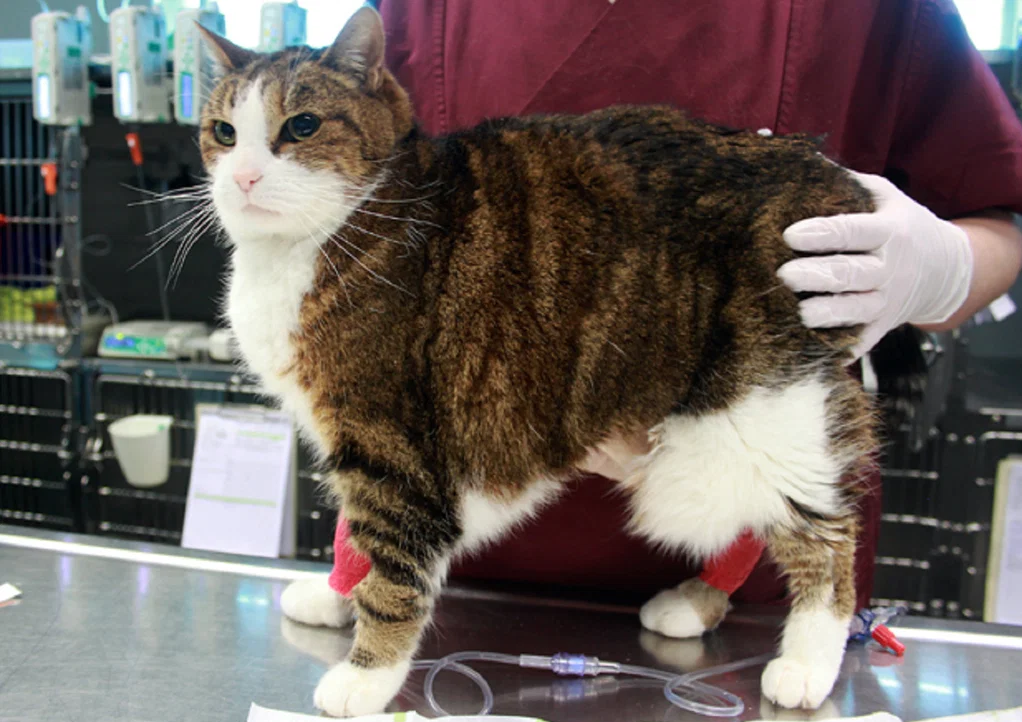
When Creatinine May Not Tell the Full Story in Feline Acute Kidney Injury
Serum creatinine is routinely used with changes in urine output to diagnose and grade Acute Kidney I...
Article
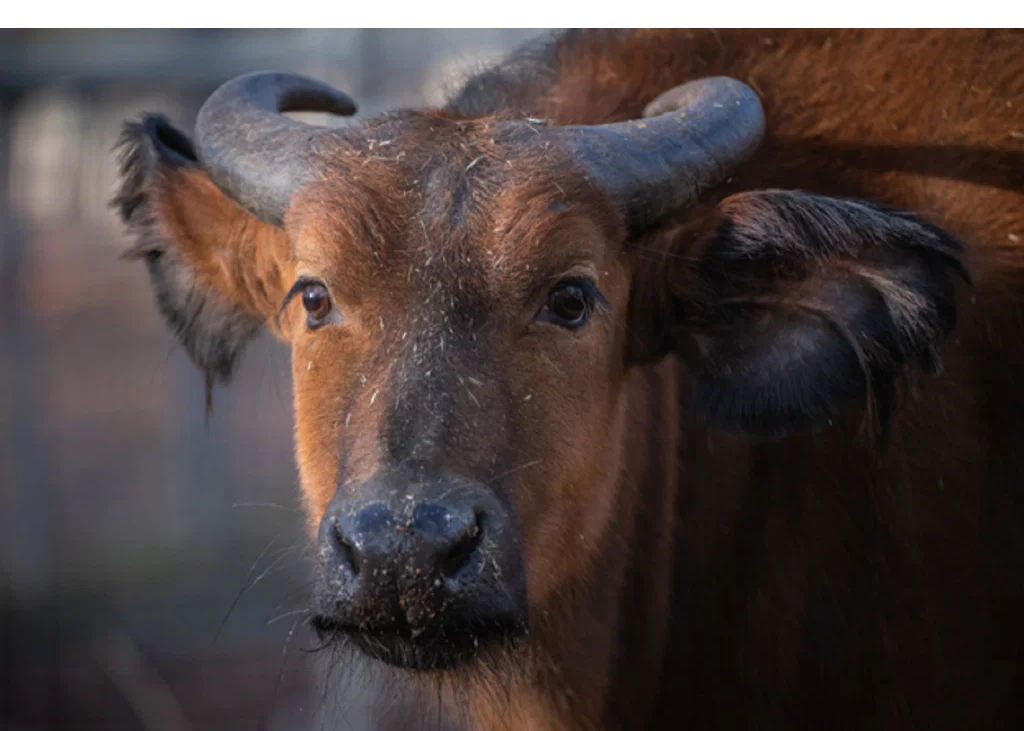
When a Normal-Looking Udder Hides Mastitis: Recognising Subclinical Mastitis in Buffaloes
A buffalo can appear clinically normal while mastitis is already affecting the udder and milk produc...
Article
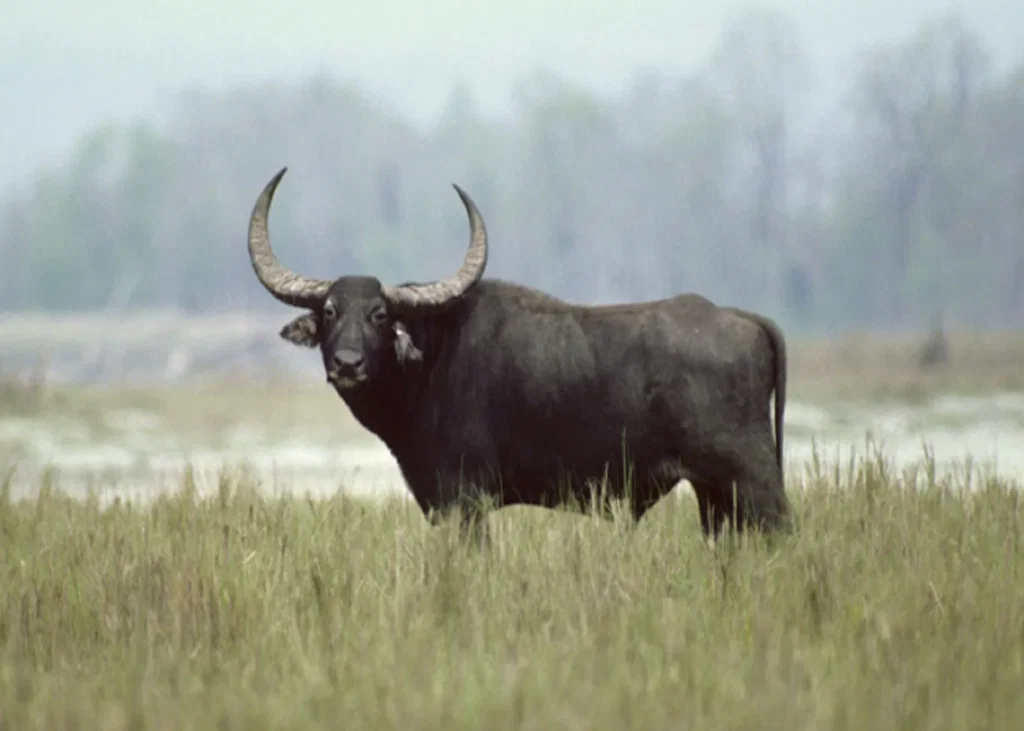
Buffalo Subclinical Mastitis: Which Risk Factors Should Vets Investigate?
When subclinical mastitis (SCM) keeps appearing in a buffalo herd, looking only at the affected anim...
Article
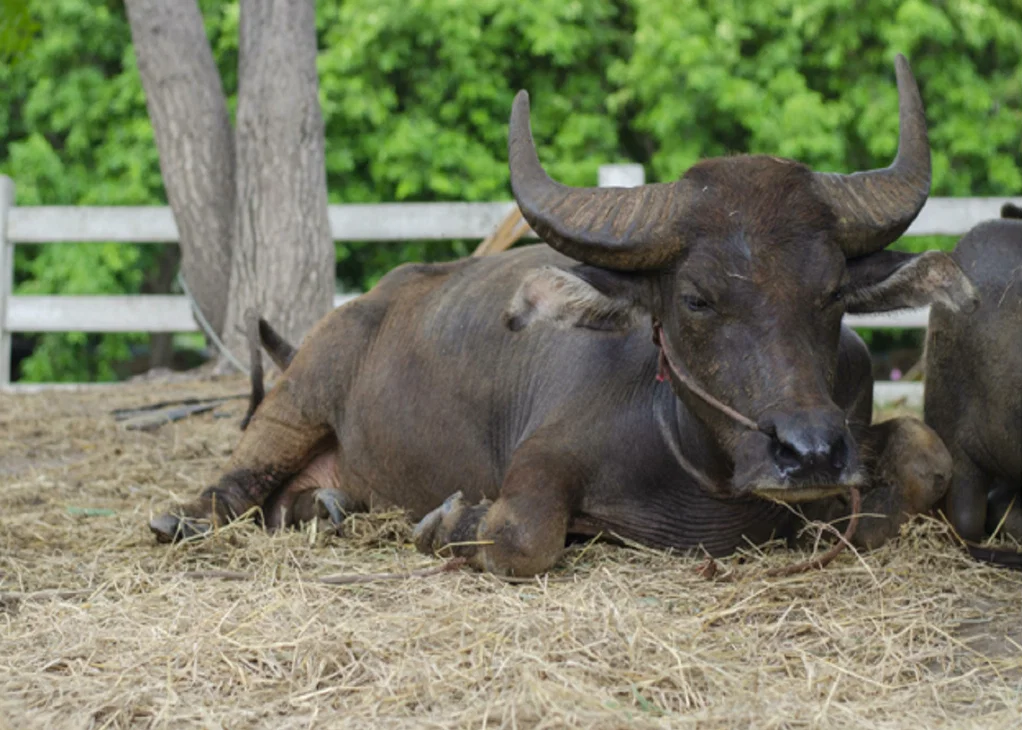
Diagnosing Subclinical Mastitis in Buffaloes: From SCC and CMT to Molecular Tests
Subclinical mastitis (SCM) can remain hidden because the buffalo may show no obvious udder or milk a...