Article
Kibble or Kitchen? Navigating the Homemade vs Commercial Diet Debate in Indian Veterinary Practice
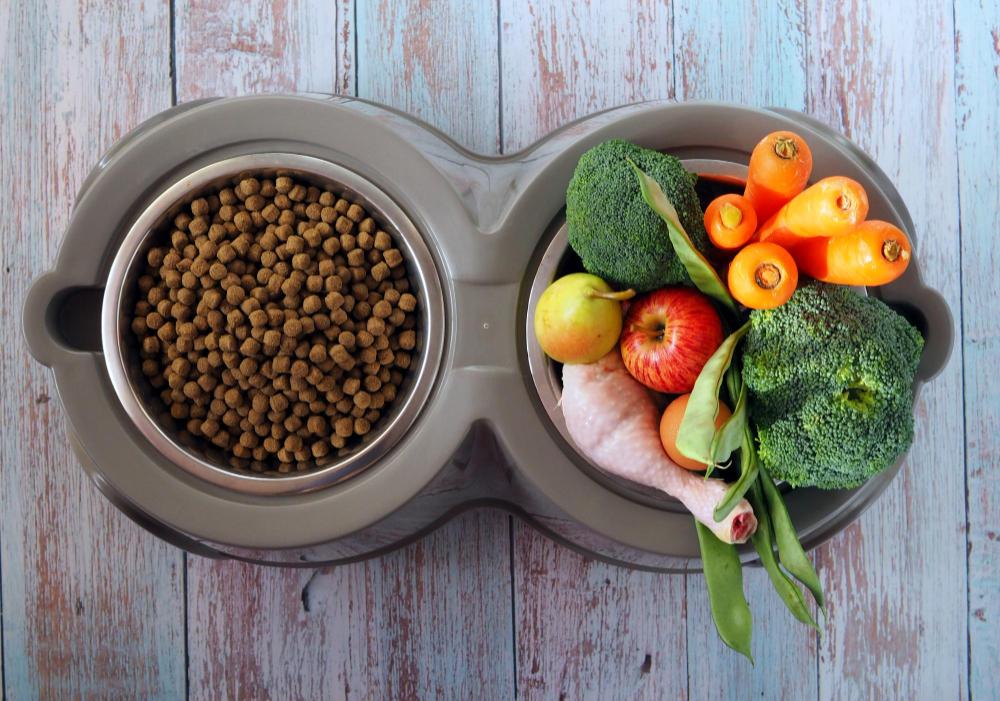
Pet nutrition is rapidly becoming a central concern for Indian pet parents—and with that comes the inevitable question: homemade or commercial? For veterinarians across India, this question is more than just a dietary preference. It's a daily conversation at the clinic, a balancing act of science, safety, practicality, and cultural norms. In a country where home-cooked meals are symbols of love and care, advising on pet nutrition requires both clinical precision and cultural empathy.
Nutritional Balance: Where Homemade Often Falls Short
The single most critical concern with homemade diets is nutritional imbalance. While chicken, rice, and vegetables may seem wholesome, they often miss the mark on vital micronutrients. According to a study by TANUVAS, 72% of homemade pet meals were found deficient in calcium, and 68% lacked adequate vitamin D—both essential for bone development and immune health, especially in puppies and senior dogs [1]. These deficiencies can quietly undermine a pet’s health over time.
Conversely, commercial diets—especially those adhering to AAFCO or FEDIAF standards—offer consistency and completeness. A 2021 analysis from Bombay Veterinary College reported that 80% of Indian dry dog food brands studied met recommended nutritional profiles for both adult maintenance and puppy growth [2]. However, not all kibble is created equal. Lower-end brands often compromise with poor-quality fillers and animal by-products, emphasizing the need for vet-led brand guidance.
Digestibility and the Hidden Gains
Clinical experience in Indian veterinary practice reveals noticeable improvements in coat quality, stool consistency, and energy levels when pets are switched from generic home-cooked meals to well-balanced commercial kibble. This observation isn’t just anecdotal. A study from Kerala found that commercial pet foods had a protein digestibility rate of 92%, while homemade chicken-rice diets lagged behind at 79% [3]. This disparity highlights the role of food processing, ingredient quality, and nutrient bioavailability.
Hygiene and Safety: The Silent Risk at Home
Food safety in Indian households is an often-overlooked issue. Reheating food, storing cooked meals at room temperature, or using leftovers is common. However, a survey from Karnataka revealed that 31% of sampled homemade diets were contaminated with Salmonella—a risk factor for both pets and their human companions [1]. On the other hand, commercial diets, especially dry kibble, undergo thermal processing and microbial checks, significantly lowering contamination risk when handled properly.
Therapeutic Use: When Homemade Has an Edge
Despite its shortcomings, homemade food has a crucial role—especially in managing medical conditions. For pets with chronic kidney disease, pancreatitis, or food sensitivities, a personalized, homemade diet can be a game changer. Unfortunately, access to veterinary nutritionists in India remains uneven. Many Tier 2 and Tier 3 cities lack trained professionals, forcing vets to remotely assist with formulation. In such scenarios, therapeutic commercial diets offer a practical interim solution—though affordability remains a barrier for some families.
Owner Compliance: Where Convenience Wins
A key factor influencing dietary success is owner compliance. Commercial pet foods come with clear feeding instructions, long shelf life, and easy portion control—all of which improve adherence. In contrast, preparing balanced homemade meals requires time, effort, and an understanding of supplementation—tasks that many pet parents, especially urban professionals, struggle to maintain consistently.
Conclusion: Bridging the Gap with Practical Advice
Ultimately, the answer isn’t binary. Commercial diets provide convenience, safety, and nutritional assurance—making them ideal for the average pet household. But when executed with veterinary guidance, homemade diets can offer powerful customization and care, especially in therapeutic contexts. Indian veterinarians must embrace a tailored approach—balancing science, safety, lifestyle, and client capability—to help pet parents make informed choices that support long-term pet health.
References
- Raghavan R, et al. (2022). Evaluation of Homemade Pet Food Practices in South India. Indian Journal of Veterinary Nutrition, 39(3): 185–192.
- Deshmukh A, Kulkarni S. (2021). Comparative Analysis of Commercial Pet Foods in the Indian Market. Journal of Animal Nutrition and Feed Technology, 21(4): 326–333.
- Pillai R, et al. (2020). Digestibility Study of Homemade vs Commercial Diets in Dogs. Veterinary World, 13(5): 950–955.
Related Contents
Upcoming Event
Homeopathy in Pet Animal Practice
Homeopathy continues to be used by some veterinarians and pet owners as a complementary approach in...
Upcoming Event
Advanced Veterinary Transfusion Medicine
Transfusion medicine has become an essential component of modern veterinary critical care and intern...

Upcoming Event
Effect of Heat Stress on Bovine Reproduction
Heat stress is a major challenge in cattle production systems, particularly in regions with high tem...

Upcoming Event
Hemogram with Special Reference to IMHA
Anaemia is a common clinical finding in canine and feline practice and may result from blood loss, h...

Upcoming Event
One Health in Action to Combat Zoonotic Diseases
Zoonotic diseases continue to pose significant challenges to global health, animal health, and envir...

Upcoming Event
Tick-Borne Haemoprotozoan Infections in Cattle: Pathology and Diagnostics
Tick-borne haemoprotozoan infections remain an important challenge in cattle health, affecting produ...

Upcoming Event
Make Silage at Home: A Practical Guide for Dairy Farmers
Feed and fodder account for a major share of dairy production costs, making efficient fodder managem...

Upcoming Event
Cytology vs Histopathology: When and How to Use Each Effectively
Cytology and histopathology are two of the most important diagnostic tools in veterinary pathology,...